 +91-9258611240
 info@rishikulyogshala.org



Cross legged Yoga Pose (Asanas) – Top 5 Excellent Health Benefits
Crossing your legs and sitting with purpose is sometimes the simplest movement that can change your life the most. When your hips open and your spine stretches, your breath gets deeper, your mind gets calmer, and your body starts to realign from the inside. Cross-legged yoga poses may look easy, but they strengthen the lower body, help you let go of emotional stress, and prepare you for deeper meditation. These poses help you feel more grounded, calm your mind, and get your body ready to be still. Cross-legged asanas can help you find inner balance, whether you want to improve your posture, become more flexible, or calm your mind. In this guide, you’ll learn about five powerful poses, what they can do for you, and easy changes you can make to make your practice more comfortable and effective.
Cross Legged Yoga Poses: Improve Your Practice
During Cross-legged Yoga Pose Sitting Cross-legged is a fundamental practice in yoga, especially for meditation and pranayama. These poses require flexibility in the thighs and external rotation of the hips. They help develop a healthy spine, strengthen the lower body, and promote relaxation for both the body and mind.
By crossing the legs, practitioners can fold forward, twist the body, or lift it, depending on the asana performed. This movement enhances overall health and well-being.
Here are five excellent Cross legged Yoga Pose, along with their benefits and modifications:
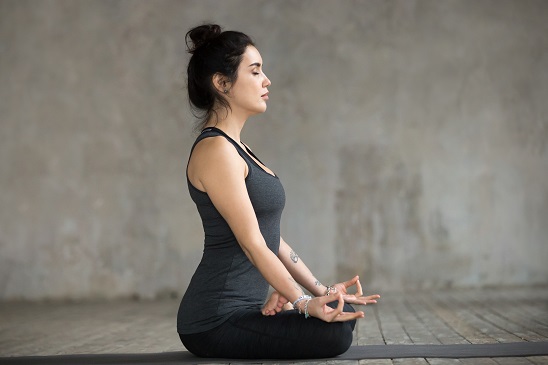
1. Easy Pose (Sukhasana)
A basic seated posture is often used in meditation and yogic breathing exercises.
Benefits:
- Stretches the knees
- Strengthens the back
- Calms the mind
- Opens the hips
Steps:
- Sit on the edge of your yoga mat with straight back legs extended in front.
- Cross the legs at the shins on the ground. Widen your knees.
- Bring each foot under the opposite knee, bend the knees, and fold the legs towards the torso.
- Maintain a gap between the pelvis and feet. Place your hands on your knees and gaze forward.
- Beginners can use a wall for support.
Also Read: 5 Incredible Health Benefits of Sukhasana (Easy Sitting Pose)
2. Lotus Pose (Padmasana)
A revered asana that increases blood circulation in the pelvis and prepares individuals for deeper meditation.
Benefits:
- Enhances blood circulation
- Aids in disease prevention
- Prepares for higher meditation practices
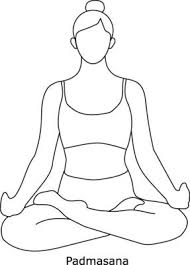
Steps:
- Start in Staff Pose (Dandasana).
- Bend the right knee and place the right ankle on the left hip crease with the sole facing upward.
- Bend the left knee and rest the left ankle on the right hip, bringing both knees close together.
- Lean back slightly and keep your hands in Jnana Mudra.
- Hold the pose for 10-20 seconds, gradually increasing the duration. Use props if needed to avoid knee strain. Begin with Half Lotus Pose if necessary.
Read More – Baddha Padmasana (Locked Lotus Pose) – Top 7 Excellent Health Benefits
3. Cow-Face Pose (Gomukhasana)
A stretching pose that extends the hips, ankles, shoulders, armpits, and chest.
Benefits:
- Stretches multiple areas of the body
- Improves flexibility and range of motion
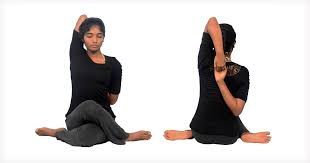
Steps:
- Sit with your back straight and legs bent with feet flat on the floor.
- Slip your left foot underneath the right knee and place it outside the right hip.
- Cross the right leg over the left, resting the right knee on top of the left knee.
- Keep the heels equidistant from the hips. Raise the right arm parallel to the floor, bend the elbow, and tuck the forearm into your lower back.
- Reach the left arm behind you and hook the fingers of both hands together, or use a strap if needed.
Also Read: 7 Incredible Health Benefits of Half Pigeon Pose Yoga (Ardha Kapotasana)
4. Half Lotus Pose (Ardha Padmasana)
A seated pose that opens the hips and stretches the ankles reduces stress and anxiety.
Benefits:
- Opens the hips
- Reduces stress and anxiety
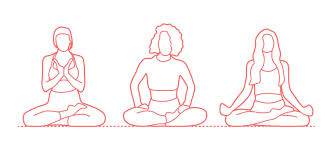
Steps:
- Begin in Easy Pose (Sukhasana).
- Bend the right knee, hug it to the chest, and place the ankle on the left hip crease.
- Fold the left knee and cross the ankle under the right knee.
- Lengthen the spine and draw the shoulder blades back. Place your hands in Anjali Mudra or Gyan Mudra, or on your knees, palm down.
- Use a blanket or wall for support as needed.
5. Eagle Pose (Garudasana)
This pose stretches the thighs, strengthens the calves, and improves concentration and balance.
Benefits:
- Stretches the thighs
- Strengthens the calves
- Enhances balance and concentration
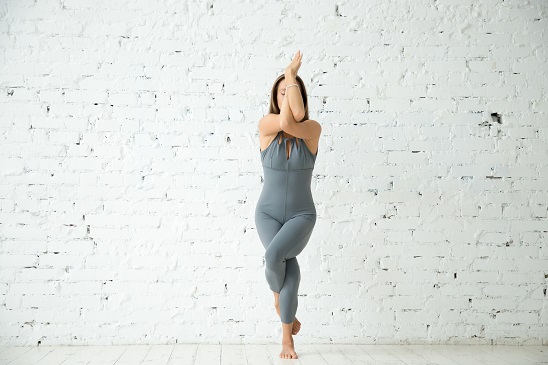
Steps:
- Stand in Tadasana and balance on your right foot.
- Cross the left leg over the right and tuck the foot behind the right calf, with toes pointing down.
- Extend your arms in front, cross the right arm over the left, bend the elbows, and press the palms together.
- Use a wall for support and balance if needed.
Also Read: What Are the Health Benefits of Garudasana (Eagle Pose)
Practice these cross-legged asanas with confidence and comfort to improve the health of your body and mind.
Conclusion
Incorporating cross legged yoga poses into your practice can significantly improve your overall well-being, improving flexibility, strength, and mental tranquillity. The Crossed Legs Pose, in particular, helps foster inner peace and promotes better posture, making it an ideal addition to your routine. Whether you’re seeking to deepen your meditation practice, improve physical health, or simply find relaxation, these poses offer numerous benefits. By starting these asanas and their modifications, you can foster a more balanced and mindful practice.
For those looking to take their yoga journey further, training with Rishikul Yogshala can be a transformative experience. Rishikul Yogshala offers comprehensive 200 Hour Yoga Teacher Training in India and 300 Hour YTTC programs, designed to build on these foundations. These courses provide in-depth training in asanas, meditation, anatomy, and alignment, creating a strong base for both personal practice and teaching. Combining cross-legged poses with structured training supports flexibility, strength, mental clarity, and holistic well-being.
By combining regular practice of cross-legged poses with professional training, you can enhance your flexibility, strengthen your body, calm your mind, and build a solid foundation for long-term well-being. Rishikul Yogshala’s courses make it easier to integrate these benefits into your daily routine and empower you to share the gift of yoga with others.
FAQ
1. What are cross-legged yoga poses?
Cross-legged yoga poses are seated positions where the legs are folded in various ways. They are commonly used for meditation, breathing exercises, and gentle stretches.
2. What are the benefits of cross-legged poses?
These poses improve flexibility, open the hips, strengthen the spine, enhance posture, and calm the mind. They also support better focus during meditation.
3. Are cross-legged poses suitable for beginners?
Yes, beginners can practice cross-legged poses. Using props like cushions or blankets can make sitting more comfortable and accessible.
4. How long should one sit in a cross-legged pose?
Start with 1–5 minutes and gradually increase the duration as flexibility and comfort improve. Listening to the body is important to avoid strain.
5. Can cross-legged poses help with meditation?
Absolutely. These poses create a stable and balanced posture, making it easier to sit comfortably during meditation and maintain focus.
6. What if I feel discomfort in my knees or hips?
Discomfort is common initially. Using cushions, blankets, or modifying the pose can reduce strain. Gentle stretching before and after can also help.
7. How often should cross-legged poses be practiced?
Daily practice is ideal, even if just for a few minutes. Consistency improves flexibility, posture, and mental calmness over time.

MEDITATION, INSPIRATIONAL AND SPIRITUAL GUIDE
Yogi Gangesha Chaitanya is a master of Yoga Philosophy, Meditation, Pranayama, and Spiritual Guidance, trained under Swami Rama and renowned institutions like the Himalayan Tradition and Sri Aurobindo Ashram. With expertise in Kundalini Yoga and meditation, he mentors students in 200-hour and 300-hour Yoga Teacher Training programs, guiding them toward inner awareness, spiritual growth, and a deeper understanding of yoga.
View Instagram Profile

- Solar Plexus Chakra: What It Does, Where It Is, and How to Balance It?
- Om Shanti Mantra: Meaning, History & Its Deep Connection With Yoga
- Ujjayi Pranayama: Steps, Benefits & How to Practice

- Is 200 Hour Yoga Teacher Training Course Enough to Build a Successful Teaching Career?
- What Is Neti Kriya? Types, Benefits, and How to Practice It Safely