 +91 9131509957
  info@rishikulyogshala.org




Ujjayi Pranayama: Steps, Benefits & How to Practice
If the new generation had never been introduced to yoga, we might never have realised how powerful something as simple as a controlled breath can be. Yoga has always held breathing in the highest regard, understanding its profound influence on both mental clarity and physical health. Ancient Sanskrit texts on Pranayama explore the art of breathing and its transformative power, and among these techniques, Ujjayi Pranayama, or the Ocean Breath, stands out for its simplicity. Though gentle, it strengthens yoga postures (ujjayi asana), calms the mind, and harmonises energy throughout the body.
Ujjayi Breath Yoga is an easy way for beginners and also experienced practitioners to feel the gentle relationship between the breath and prana. With the gentle, rhythmic sound of the waves, yogis find it easier to centralise their attention while meditating. It is the perfect tool for reducing stress and encouraging a more mindful approach to life – an essential element of any yoga or meditation practice.
In this blog, we’ll explore deep into Ujjayi Pranayama – what it is, its history, Ujjayi Pranayama benefits, and how to practice Ujjayi breath and modifications, contraindications, and how to use it in your daily life. Whether you are after a way to strengthen your practice of Yoga, find internal peace, or experience what mindful breathing can offer, all the details you can get in one read.
What is Ujjayi Pranayama?
“Ujjayi” ( pronounced oo-jai ) comes from the two Sanskrit words “ud (meaning “upward” or “expanding” ) and ”Ji or jaya means ‘victory’ or ‘success.”
Together, Ujjayi means “one who is victorious,” which is why we sometimes refer to Ujjayi pranayama as “the breath that brings victory.”
This name reflects what the practice does for your body and mind: As you breathe, your belly and chest expand as if swelling with power and pride, so that how you breathe makes a big difference in how you feel. Reacting in this way, just like the fierce Breathing of a successful hero, you can bring both your body and mind under control.
The air flowing through your throat creates a soft, wave-like sound. This gentle sound helps you concentrate and relax your body. It also produces mild heat inside, making your yoga practice more effective.
It deepens your yoga practice and connects you to your body, mind, and inner energy calmly and powerfully — suitable for practitioners of all levels from beginner to advanced.
History of Ujjayi Pranayama
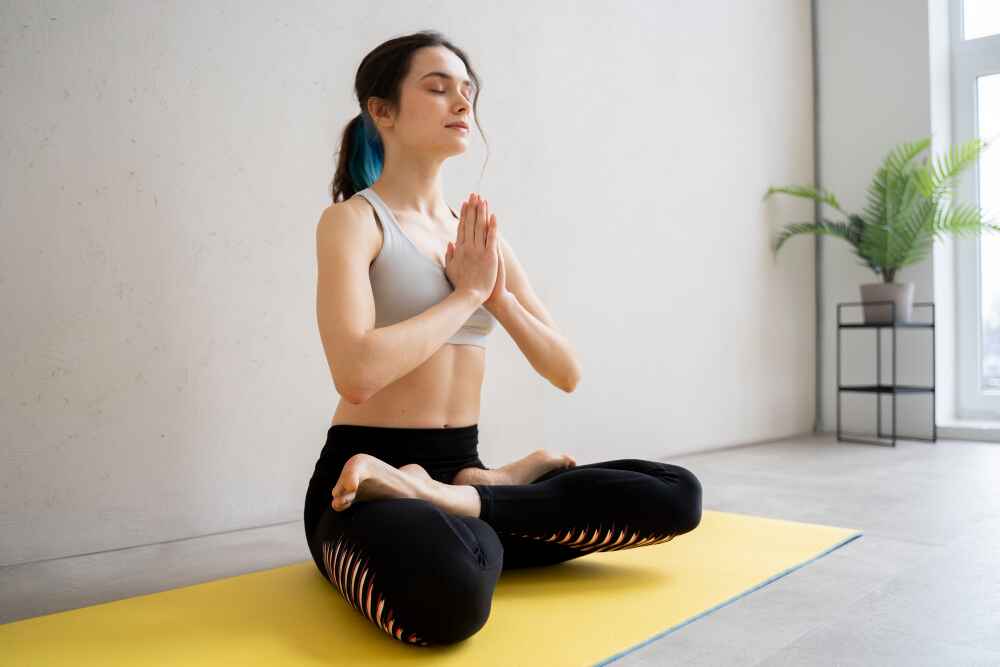
Like yoga, Ujjayi Pranayama was also invented in ancient India, where yogis studied the breath as a way to control prana and steady the mind. Indian classical texts, such as the Hatha Yoga Pradipika and Gheranda Samhita, describe ujjayi yoga as a primary breathing technique for cleansing the energy channels, generating inner heat, and supporting meditation. While practising the Ujjayi Paryanama, yogis found that the gentle sound of breathing helped them to stay focused and maintain mental clarity for long hours of yoga and spiritual practice. And over time, Ujjayi became an essential part of traditional Hatha Yoga, valued for its ability to calm the mind and harmonise the body’s energy.
Modern Adoption
In today’s context, Ujjayi Pranayama has itself been adopted by Ashtanga and Vinyasa Flow Yoga, as well as other styles. Ujjayi breath was taught by great teachers such as Sri K. Pattabhi Jois, a supportive master who sustains rhythm, strength, and mindfulness in dynamic styles of yoga. Today, Ujjayi breathing is widely practised in many yoga studios around the world, not only to deepen asanas but also to help students form a calm, steady, and meditative connection with their mind through breathing.
Easy Stages On How To Learn Ujjayi Throat Constriction
- Take an Emphatic Breather: Inhale as though you are in a yogic breath.
- Exhale a Whisper: Exhale gently from the mouth, making an “Ahhh” sound. Notice how your throat narrows.
- Close Your Mouth Gently: Breathe in through your nose while keeping the base of your throat slightly closed. Form the sound “ee”, and imagine what shape is taking to make that sound.
- Repeat: Breathe slowly through the nose for several breaths, with the weight of breath falling over the back of the throat. Make the breathing soft and gentle.
- Relax Your Body: Allow your face, tongue, jaw, and the muscles of your eyes and throat to relax. The sound of your breath should remain easy and not forced.
Once that feels comfortable, you’re ready to start ujjayi pranayama steps in its full form.
When to Practice:
Ujjayi breath can be done at any time of day, but it’s especially effective in the early morning on an empty stomach. This one you can do while seated, lying on your back, or standing, and it’s often used during yoga asanas.
Read More: Activate Your 7 Chakras with Yoga: Poses, Breathwork & Benefits Explained
How to Do Ujjayi Pranayama
If you understand how to do Ujjayi Throat Constriction, then you can perform the Ujjayi breath exercise. Belew, we have mentioned Ujjayi pranayama steps in the details:
- Starting Position: Sit comfortably in Sukhasana (Easy Pose) or another meditative posture that keeps your spine straight. If sitting on the floor is difficult, you can sit on a firm chair with an upright back. Keep your spine, chest, and head straight aligned. Close your eyes to deepen focus and relaxation
- Gently constrict the throat: Close your mouth and then gently tighten the back of your throat, as when whispering. This will produce a soft, ocean-like sound.”
- Start with a short exhalation: At first, simply breathe out according to the natural rhythm of your breath. This will help expand the lungs a bit and make it easier for a slow, deep inhalation later on.
- Inhale slowly and quietly: Through the nose, take a deep breath. Air will pass softly through your slightly constricted throat, producing the faintest whisper.
- Completely Expand the Chest: By all means, inhale until your lungs feel cozy full. But do not hurt yourself straining for air by trying such a feat of strength.
- Retaining the Breath (Optional): Count up to about six heartbeats after inhaling–approximately twice as long as you have for your intake. So if there’s any reason in your case–high blood pressure or heart trouble to be exact–bear this in mind
- Keep the Alignment Correct: Keep your head and neck in a single line with your spine. Raise your chin slightly and open your chest.
- Facial Muscles Should Be Loose: Loosen up as you gently open your chest. Be sure your jaw is relaxed, your cheeks non-tense. Don’t pucker your lips. Try not to wrinkle your forehead
- Exhale Softly: Exhale gently, producing a “Haa” sound. Make sure the exhalation is smooth and continuous; it should not be jerky.
- Rest Between Rounds: After you finish one round, pause for a few seconds to breathe normally before beginning the next.
When you perform ujjayi breath yoga, the sound becomes your guide. It helps you synchronise breath with movement during ujjayi asana practice.
Recommended Practice
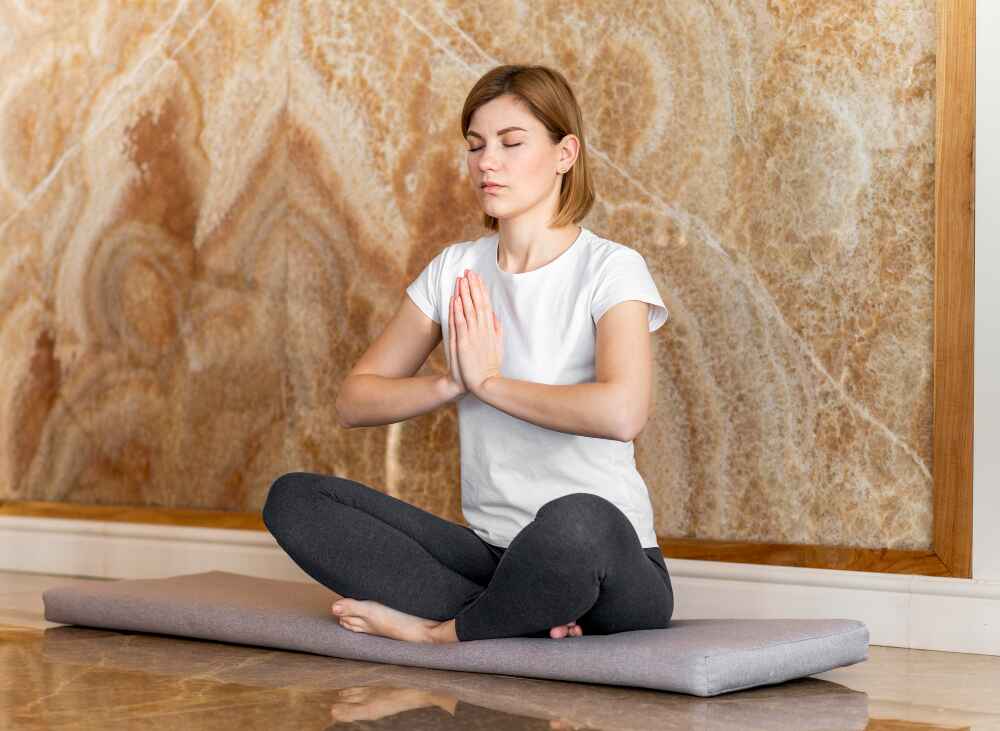
Practice for at least 5 rounds daily for better results.
Start with:
- 3 seconds of inhalation
- 6 seconds retention
- Add 1 second to the time every week if it feels good.
If the retention with shortness of breath is not comfortable for you, don’t force it.
Ujjayi Pranayama Contraindications & Precautions
Do not practice Ujjayi Pranayama in case of :
- Severe cardiac conditions
- Hypertension (unless no retention is used)
- Always be gentle
- Stop if you ever feel breathless or uncomfortable
Variations of the Ujjayi Pranayama
- Ujjayi with Retention (Kumbhaka): Breathe in, then hold your breath for a second or two, then exhale. It lets you do ujjayi yoga on a deeper level.
- Ujjayi with Bandhas: The locks of the abdomen and pelvis that turn on our internal energy.
- Ujjayi with Asanas: Relax your breath flow in Vinyasa or Hatha Yoga.
First, try your hand at the normal Ujjayi breathing. Once you’ve got this down pat, then look into these more advanced exercises.
Read More: Yoga For Mental Health – 5 Best Type Of Yoga Poses For Stress Relief
Benefits of Ujjayi Pranayama
While Ujjayi breath strengthens the body, its benefits are not limited to just the physical. Studies show that it also has a profound impact on the mind and spirit. Below, we will delve into some of its advantages:
Physical Benefits Ujjayi Pranayama
1. Strengthen the lungs and respiratory system
When you practice Ujjayi breathing, the slow, controlled, deep breathing strengthens your lung capacity and works the diaphragm better. In addition, oxygen flow throughout your system is enhanced to achieve a healthier circulatory rate. As a result, more work out will be easy for people who don’t get enough oxygen supply in heavy conditions, such as lifting weights or even running around a track at high altitude.
2. Creates internal heat
The slight restriction at the back of the throat warms the body internally, loosening muscles, improving flexibility, and preparing one to assume standing postures or seated asana.
3. Improves cardiovascular health
Deep, rhythmic breaths regulate the heartbeat and improve blood flow, which means you will have less fatigue and, over time, will strengthen your cardiovascular system so that those daily getaways feel more like nothing much at all.
4. Boosts stamina and endurance
With the reality of physical activity and the high-paced yoga sequences, the Ujjayi breath can help you keep a steady rhythm while still calming down on moves. So breathing in a controlled way allows your body to give a better performance at higher intensities and under greater stress. You’ll be able to take longer strides because you have both more strength and endurance to back them up. As a result, it boosts endurance, focus, and overall performance.
5. Detoxifies the body
Controlled exhalation helps release toxic substances from your physical structure and promotes better organ performance as well as general vitality.
Mental and Emotional Benefits of Ujjayi Pranayama
1. Lowers stress and anxiety
The slow, ocean-like rhythm of Ujjayi breath activates the parasympathetic nervous system, gently relaxing your mind and lowering your tension naturally.
2. Improves concentration & focus
Ujjayi brings one’s awareness into breath and sound; it also helps to sit in front of the mind. The front sight will become clearer with concentration on breath and sound, which also aids long-term memory retention.
3. Brings Emotions into Line
Regular practice will help regulate one’s mood, reduce irritability, and increase emotional resistance. Life’s challenges become easier as a result.
4. Improves relaxation & sleep quality
Practicing ujjayi yoga before sleep slows the mind, calms the nerves, and leads to better quality sleep.
Spiritual Benefits of Ujjayi Pranayama
1. Deepens one’s meditation
The sound of Ujjayi helps to concentrate one’s mind, making it easier to enter meditation states and deepen spiritual practice.
2. Balances Energy (Prana)
Ujjayi regulates the flow of life energy (prana) in your body aesthetically by aligning your chakras and getting all your internal energy channels (nadis) harmonized.
3. Improves Awareness
When you concentrate on your breathing, it can purify your thoughts. The cumulative result is more sophisticated and introspective, willfully cultivating your heart with white mindfulness, a deep understanding of the interplay between body, mind, and spirit.
4. Opens the throat chakra (Vishuddha)
The third activity, a standard chakra stimulation of Vishuddha or the throat, is beneficial in obtaining good communication channels as well as self-expression (Philokalia). It also helps us gain a sense of spiritual direction.
The Science Behind the Ocean Breath, Ujjayi Pranayama
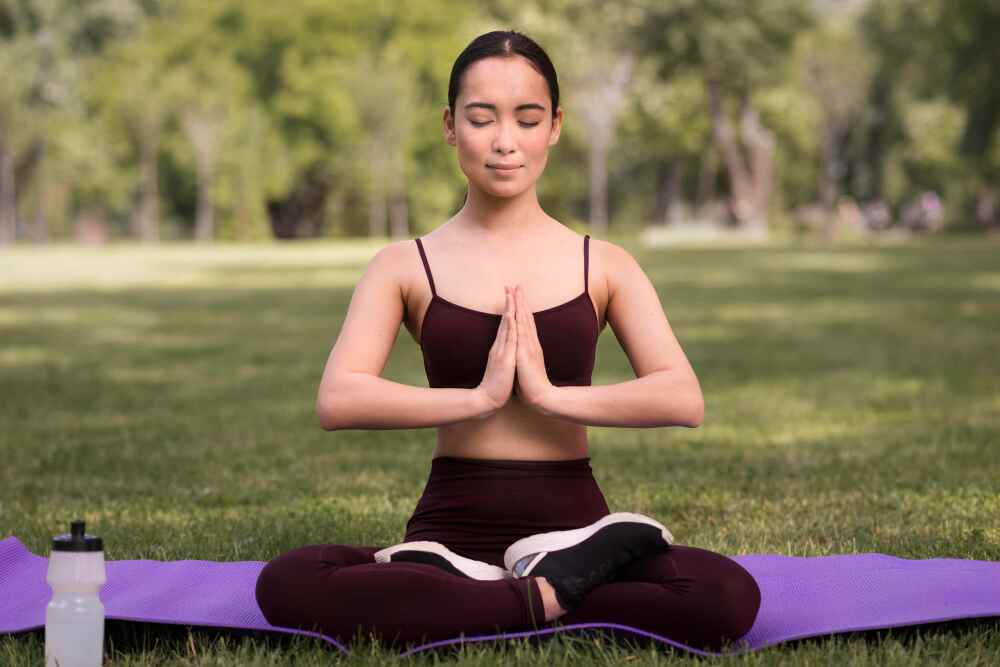
Ujjayi Pranayama–or ocean breath–is not just a yoga practice. Scientific studies confirm that Ujjayi Pranayama benefits extend to the body, mind, and nervous system, supporting overall well-being.
Physically, the minor constriction of the throat energises the lungs and diaphragm lines, enlarges air sacs, and makes respiration more effective. Studies indicate that it expands your inspiratory capacity, maximises breath-hold time, and increases cardiovascular endurance. A 2005 study in the European Respiratory Journal found that taking control of your breathing, as in Ujjayi breathing, can heighten interoceptive awareness. People who practice it feel more aware of alterations in their emotional states and are more likely to connect the two.
Mentally, Ujjayi triggers the parasympathetic nervous system to relax you, calm your mind, and make focus easier. For professional voice users, it increased vocal strength and power, bringing about clearer tones. Studies support the utility of Ujjayi for endurance of vocal function.
In summary, science provides evidence that Ujjayi Pranayama, a yoga breathing technique, benefits our health in more ways than one. It promotes all aspects and functions of our life as a whole. As expected, the practice is indispensable to one’s daily yoga routine.
Read More: Yoga: Its Origin, History, and Development Through the Ages
Conclusion
Discovering Ujjayi Pranayama is enlightening, as it is evident that conscious breathing has an impact on the body, mind, and spirit. Now imagine putting this knowledge into practice — the certainty of a steady rhythm in your breath, the gentle warmth emanating from your chest, and the settling calm in your mind make everyday life easy. When done in-the-moment, Ujjayi fosters further focus and energy flow — while creating a feeling of relaxed balance and presence that lasts long after you leave the mat.
When Ujjayi Pranayama is practised in a calm, inspiring atmosphere, in a place like Rishikul Yogshala, the experience becomes more profound and enriching. The stillness and professional guidance allow you to get in touch with your breath on a level that gives peace, clarity, and unity that lasts beyond the yoga session. This easy mindful exercise cultivates energy, focus, and centeredness, and makes every breath a stepping stone toward overall health.

Lead Teacher in Yoga Philosophy, Pranayama, Meditation, Kundalini and Therapeutic Applications of Yoga
Born into a traditional spiritual home, Krishna spent over a decade climbing the corporate ladder at Capgemini and Morgan Stanley worldwide; before quitting them to explore the purpose of life. He set forth on a spiritual quest, Learning and Experiencing Yoga with Great Yogis and Spiritual Masters of the Modern World. Krishna's teachings comprises of the ancient practices of yoga through modern scientific reasoning. He specializes in Yoga Philosophy, Pranayama, Meditation, Kundalini and Therapeutic Applications of Yoga. Connect with your true nature and experience the mystical dimensions of yoga in conversation with Krishna.
View Instagram Profile View Linkedin Profile