 +91 9131509957
  info@rishikulyogshala.org




Yoga Poses That Can Help Manage Diabetes
Living with diabetes can be challenging and stressful, leading to a range of unhealthy emotions such as anger, frustration, hopelessness, isolation, and fear. Many individuals experience anxiety about injections and medical tests, and worry about the long-term effects of this on their health. The question “Why me?” is common among those newly diagnosed. Adjusting to life with that can be tough, but incorporating yoga into your routine can offer significant benefits.
Understanding Diabetes & Yoga Poses for Diabetes
It is a multifaceted condition that extends beyond just high blood sugar levels. Factors such as insulin resistance, overeating, obesity, physical inactivity, and family history contribute to its development. Additionally, modern lifestyles and constant stress further exacerbate the problem. Integrating yoga practices—including asanas, pranayama, and meditation—into your daily routine can help manage it effectively. Daily walks can also be beneficial.
Regular practice of yoga asanas can help lower blood sugar levels, reduce high blood pressure, control weight, slow the progression of diabetes, and lessen the severity of complications. Stress, a significant factor in many lifestyle-related issues, increases the hormone glucagon, which in turn raises blood sugar levels. Committing to pranayama and meditation can mitigate stress, reduce glucagon production, and improve insulin action. Yoga can also help the body respond better to insulin, especially for older diabetic patients who may have less physical activity.
Top 5 Yoga for Diabetes
Here are five effective yoga asanas for diabetes that can help manage blood sugar, improve metabolism, and promote overall health.
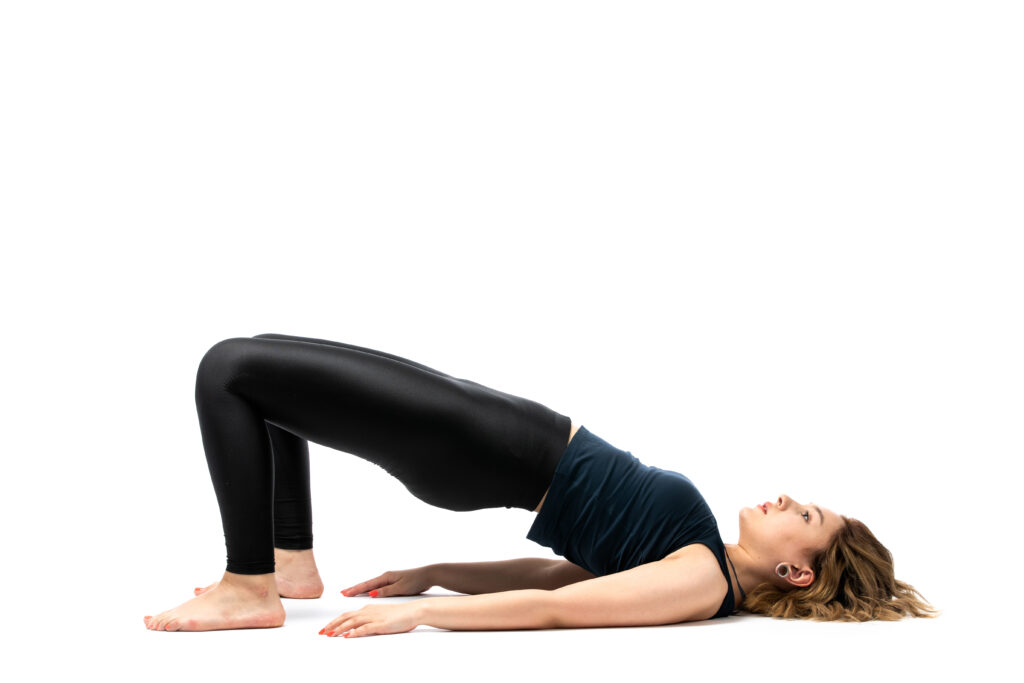
1. Bridge Pose (Setu Bandhasana)
- Lie on your back with bent knees and feet hip-width apart.
- Rest your arms by your side with palms facing down.
- Press your feet and palms into the floor, exhale, and lift your hips.
- Roll your shoulders back and raise your chest and hips as high as possible.
- Clasp your hands underneath your pelvic bone and keep your thighs and feet parallel to the floor.
- Hold the pose for 60 seconds.
2. Child Pose (Balasana)
- Kneel on the floor with knees spread wider than your hips.
- Rest your hips on your heels, then bow forward and drape your torso between your thighs.
- Rest your chest and head on your thighs and forehead on the floor.
- Extend your arms with palms near your hips.
- Close your eyes and hold for one minute.
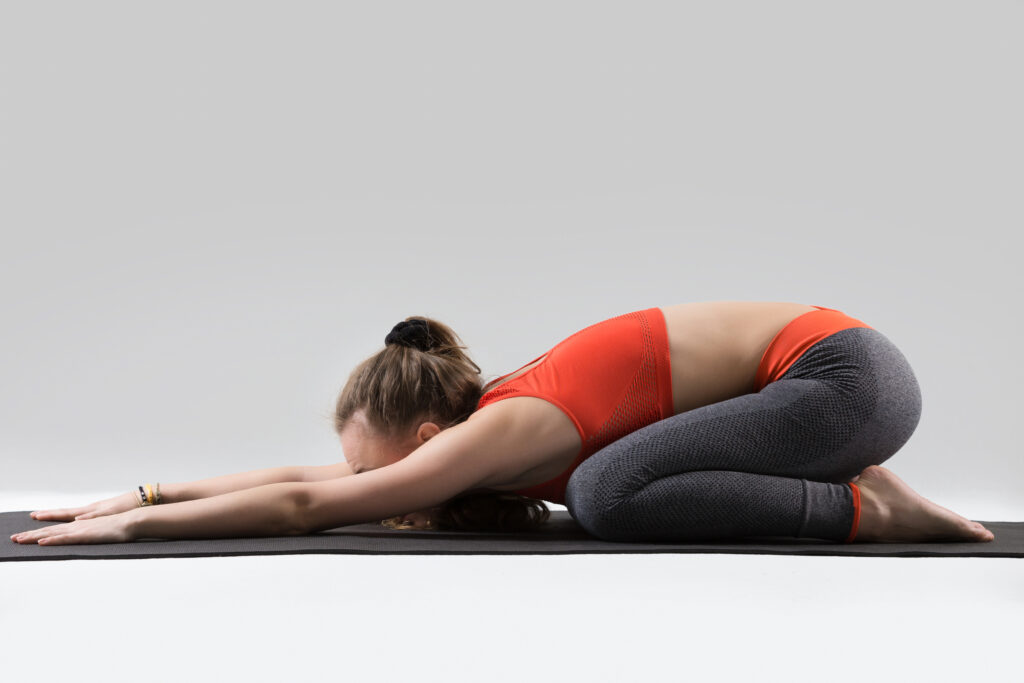
Also Read – Balasana (Child Pose) – Top 10 Incredible Health Benefits
3. Thunderbolt Pose (Vajrasana)
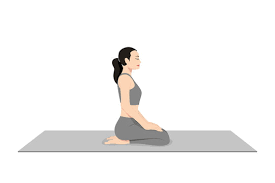
- Kneel on the floor and sit back so your spine is straight and your hips rest on your heels.
- Place your hands on your knees, close your eyes, take deep breaths, and hold the pose for as long as comfortable.
- For added support, place a folded towel or bolster between your thighs and calves.
Read More – Vajrasana – Top 10 Thundering Health Benefits
4. Shoulder Stand Pose (Sarvangasana)
- Lie on your back with your arms by your side.
- Inhale, bend your knees, and bring your legs towards your chest.
- Lift your hips and extend your legs towards the sky.
- Support your back with your hands, straighten your knees, and bring your chest closer to your chin.
- Hold the pose for 10-15 seconds.

5. Bow Pose (Dhanurasana)
- Lie on your stomach with your arms at your side.
- Bend your knees and raise your legs towards your posterior.
- Grab your heels with your hands and lift your thighs off the mat.
- Raise your chest and head, keeping your gaze forward.
- Retain the pose for 15-30 seconds.
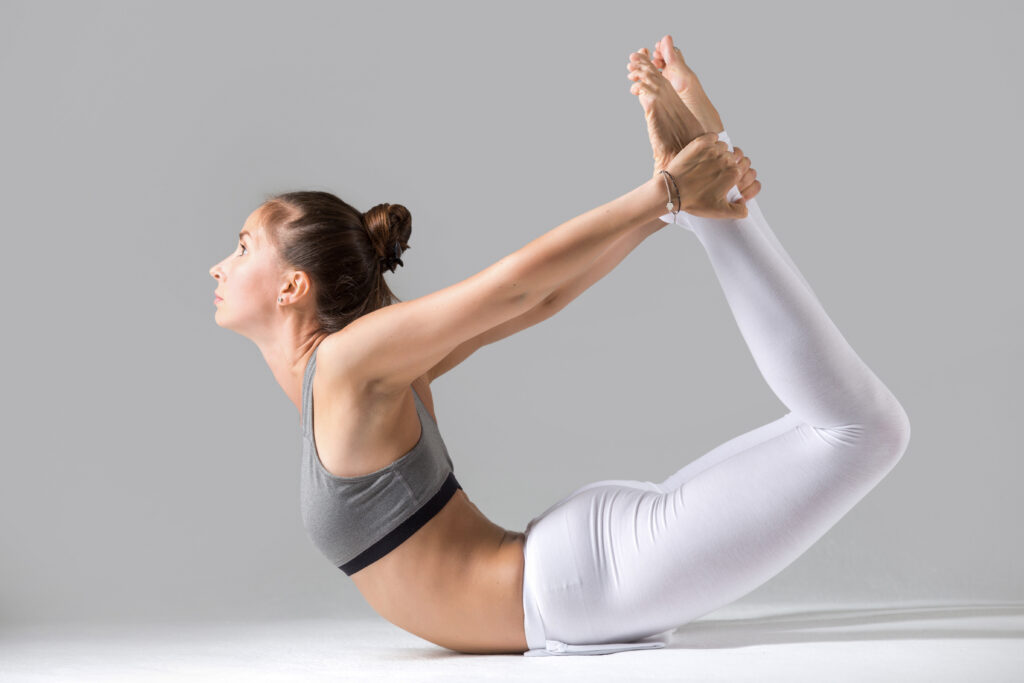
Also Read – Top 10 health benefits of Dhanurasana (Bow Pose)
Other Effective 7 Yoga Poses for Diabetes to Help Control Blood Sugar
- Seated Forward Fold Pose (Paschimottanasana): Start in Staff Pose. Inhale and extend your arms upward. Exhale, hinge forward at the hips, and rest your nose over your thighs, with your forehead on your legs if flexibility allows. Stretch your arms in front and try to grab your toes. Keep your spine erect and hold for 30 seconds.
- Half Moon Pose (Ardha Chandrasana): Begin in Extended Triangle Pose. Rest your left hand on your left hip and reach down with your right hand to place your palm on the floor beyond your right foot. Exhale, straighten your right leg, and lift your left leg. Turn your upper torso to the left and gaze forward. Hold for up to 60 seconds.
- Boat Pose (Navasana): Sit with your legs bent and feet on the mat. Exhale, lift your feet off the mat, and position your thighs at a 45-degree angle to the floor. Straighten your tailbone, flex your toes, and stretch your legs as high as possible. Balance on your sitting bones, extend your arms forward, and hold for 20-30 seconds.
- Wheel Pose (Chakrasana): Lie on your back. Bend your knees, bring your heels close to your posterior, and place your palms beside your head, fingers pointing toward your shoulders. Press your feet and hands into the mat and lift your body. Keep your thighs and arms parallel to the floor and hold for 30 seconds.
- Cobra Pose (Bhujangasana): Lie on your stomach. Keep your legs straight and elbows bent, palms down. Press your hands into the mat to lift your chest and head while keeping your lower body grounded. Lift your upper body higher and look forward. Stay in this pose for 10-20 breaths.
- Camel Pose (Ustrasana): Start on all fours with legs hip-width apart. Rotate your thighs inward, expand your ribcage, and place your hands on your pelvis. Lean back, stretch your arms to hold your heels, and tilt your head back to look at the tip of your nose. Hold for 60 seconds.
- Seated Spinal Twist (Ardha Matsyendrasana): Sit with your legs stretched out in front. Bend your right knee and place your right foot outside your left thigh. Bend your left leg and rest the heel near your right hip. Inhale, lift your spine tall, and place your left elbow on the outside of your right knee. Exhale and twist your torso to the right, placing your right hand behind you for support. Keep your chest open and gaze over your right shoulder. Hold for 30–40 seconds, then repeat on the other side.
Conclusion
Managing diabetes is a lifelong journey, and incorporating yoga into your daily routine can be a gentle yet powerful way to support your overall health. The yoga poses shared in this guide are designed to improve blood flow, reduce stress, stimulate internal organs, and enhance your body’s natural balance — all of which can help you feel more in control of your health.
Regular practice of these yoga poses, combined with mindful breathing and stress management, can support healthy blood sugar levels, boost your energy, and improve your overall sense of well‑being. Yoga encourages not just physical activity, but also a calm and focused mindset, helping you respond to your body’s needs with awareness and care.
If you’re ready to deepen your practice and learn yoga more fully, consider joining 200 hour yoga teacher training in India or 300 hour yoga teacher training in India at Rishikul Yogshala. These programs offer structured training, experienced guidance, and a supportive community to help you build a strong foundation in yoga, improve your personal practice, and apply yoga to everyday life. Whether you’re managing diabetes or simply seeking greater health and balance, yoga can be a meaningful part of your wellness path.
Last Updated On: 07-01-2026

Lead Teacher in Yoga Philosophy, Pranayama, Meditation, Kundalini and Therapeutic Applications of Yoga
Born into a traditional spiritual home, Krishna spent over a decade climbing the corporate ladder at Capgemini and Morgan Stanley worldwide; before quitting them to explore the purpose of life. He set forth on a spiritual quest, Learning and Experiencing Yoga with Great Yogis and Spiritual Masters of the Modern World. Krishna's teachings comprises of the ancient practices of yoga through modern scientific reasoning. He specializes in Yoga Philosophy, Pranayama, Meditation, Kundalini and Therapeutic Applications of Yoga. Connect with your true nature and experience the mystical dimensions of yoga in conversation with Krishna.
View Instagram Profile View Linkedin Profile