 +91 9131509957
  info@rishikulyogshala.org




Ashtanga Yoga Primary Series
The Ashtanga Yoga Primary Series is more than just a series of poses. It’s a healing journey that resets the body and calms the mind. This series of asanas follows a certain order that is meant to cleanse, strengthen, and balance your whole system. You don’t have to know the science behind it to feel the effects; the practice speaks for itself. In this blog post, you’ll learn about ten important poses from the Primary Series and how each one helps you grow physically and mentally. This series is the best place to start if you want to add structure and purpose to your yoga practice.
Power of Ashtanga Yoga: An Overview of the Primary Series
The magnificence of Ashtanga Yoga lies in its structured sequences. The science behind Ashtanga Yoga’s sequences is exceptional, eliminating unnecessary elements to allow the natural essence to shine through. Practitioners don’t need to understand how the series works in detail because the tangible results speak for themselves. By committing to the Ashtanga practice, you can witness transformative results over time.
Heal, Repair, and Rejuvenate with the Ashtanga Primary Series
The Ashtanga Primary Series is a grounding sequence that purifies the body and prepares the mind for deeper yoga practice. Renowned for its effectiveness in addressing mental and physical ailments and strengthening the body, it is often referred to as ‘yoga chikitsa’ (or ‘yoga therapy’).

10 Key Ashtanga Yoga Poses in the Primary Series:
1. Big Toe Pose (Padangusthasana):
Stand upright with feet 3-4 inches apart. Without bending your knees, exhale and hinge forward at the hips. Grip your big toes with your hands, inhale to uplift your torso, and repeat for five breaths.
Read More: 7 Excellent health benefits of Padangusthasana (Hand to Big Toe Pose)
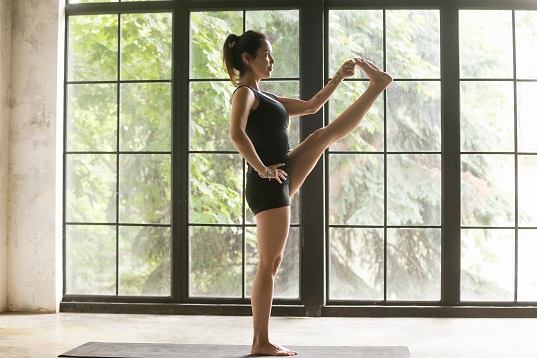
2. Chair Pose (Utkatasana):
Begin in Mountain Pose. Inhale and raise your arms overhead. Exhale and bend your knees, lowering your hips toward the ground. Keep your thighs parallel to the floor and shift your weight onto your heels.
Also Read: Top 10 Excellent Benefits of Utkatasana (Chair Pose)
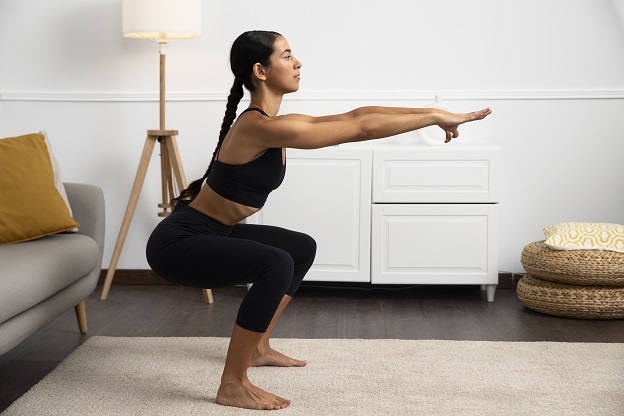
3. Seated Forward Bend (Paschimottanasana):
Sit tall with your legs stretched out. With an inhalation, extend your arms overhead, then exhale and bend forward, holding your ankles or feet. Rest your stomach, chest, nose, and head on your legs.
Also Read: Top 7 Health Benefits of Paschimottanasana (Seated Forward Bend Pose)
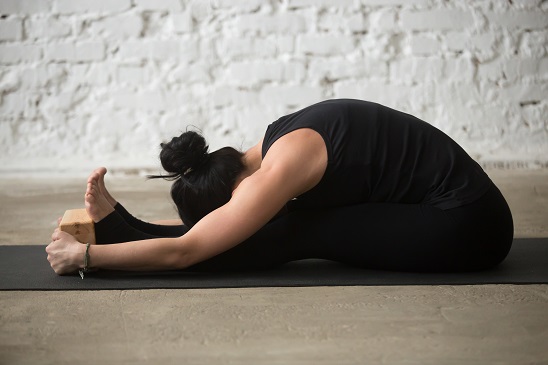
4. Head to Knee Pose (Janu Sirsasana):
Sit in Staff Pose. Flex your toes inward and place your palms next to your hips. Fold your right leg and place your right foot on the inner side of your left thigh. Bend from the left hip crease and grab the outer edge of your left foot, resting your forehead on your shin.
Read More: The Benefits of Janu Sirsasana (The Head to Knee Pose)
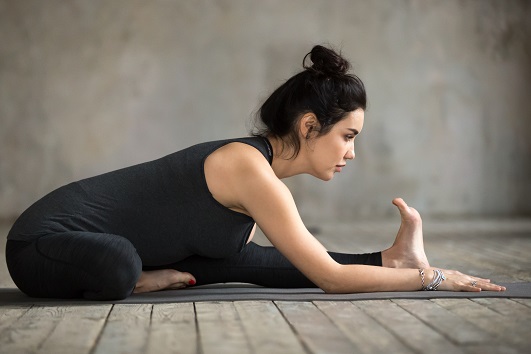
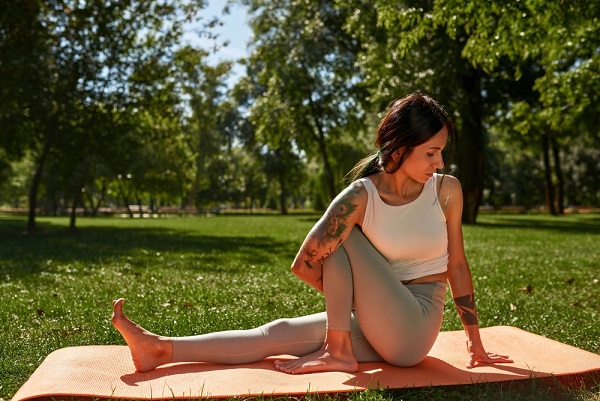
5. Sage Marichi Pose (Marichyasana):
Sit with straightened legs. Bend your right knee and keep a distance of 2-3 inches between your right foot and left thigh. Inhale, twist your torso to the right, drape your left arm over your right thigh, and reach back with your right arm to hold your left wrist. Gaze over your right shoulder.
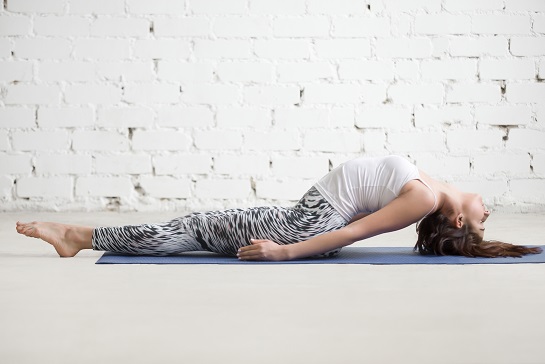
6. Fish Pose (Matsyasana):
Lie on your back with palms facing down. Press your forearms and elbows into the ground, lift your chest to create a bend in your upper back, and position your head on the ground.
7. Wheel Pose (Chakrasana):
Lie on the floor with feet close to your posterior and legs shoulder-width apart. Place your hands close to your head, fingers near your shoulders. Inhale and lift your body into an inverted ‘U’ position, standing on your toes.
Also Read: Top 10 Excellent Benefits of Chakrasana (Wheel Pose)

8. Shoulder Stand (Sarvangasana):
Lie on your back, legs stretched and arms alongside your body. Bend your knees, draw your legs close to your chest, and gently lift your lower body, supporting your back with your hands. Inhale and extend your legs upward.
Also Read: Top 10 Excellent Benefits of Sarvangasana (Shoulder Stand)

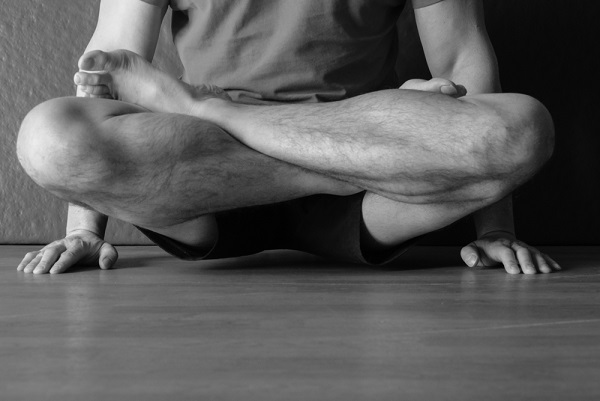
9. Scale Pose (Tolasana):
Begin in Padmasana with your spine erect and hands on the floor next to your hips. Exhale, press your hands into the floor, and use your abdominal muscles to lift your legs and posterior away from the ground.
0. Corpse Pose (Savasana):
Lie on the floor with legs spread a few inches apart and arms extended. Close your eyes, take deep breaths, and relax every inch of your body.

Also Read – The Top 10 Benefits of Ashtanga Yoga
Conclusion
The Ashtanga Yoga Primary Series is a powerful foundation for building strength, flexibility, and focus. By practicing this sequence regularly, you can improve your posture, enhance circulation, and cultivate mental clarity while connecting your breath with every movement.
Whether you are a beginner or an experienced practitioner, the Primary Series offers a clear and structured path to progress in your yoga journey. With consistent practice, it not only strengthens the body and improves flexibility but also calms the mind, boosts focus, and promotes overall balance. To explore the series in detail and receive guided support, join the courses at Rishikul Yogshala.
200 Hour Yoga Teacher Training in India || 300 Hour Yoga Teacher Training in India || Yoga Retreat in India
FAQ
Q1. What is the Ashtanga Yoga Primary Series?
Ans. The Primary Series is the first sequence in Ashtanga Yoga that focuses on building strength, flexibility, and proper alignment through a fixed set of postures.
Q2. Can beginners practice the Primary Series?
Ans. Yes, beginners can start with the Primary Series, but it’s best to learn under guidance and modify poses if needed.
Q3. What are the main benefits of practicing Ashtanga Yoga?
Ans. Regular practice improves strength, flexibility, balance, concentration, and overall physical and mental well-being.
Q4. How often should I practice Ashtanga Yoga?
Ans. Traditional practice is six days a week, but beginners can start with 2–3 sessions per week and gradually increase frequency as stamina improves.
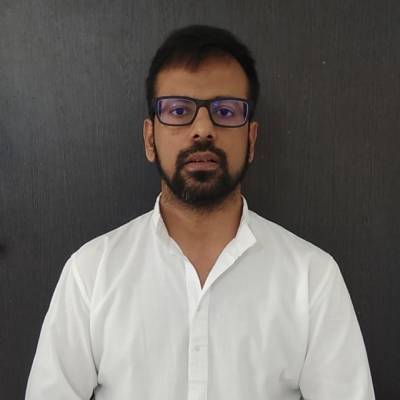
Lead Teacher in Yoga Philosophy, Pranayama, Meditation, Kundalini and Therapeutic Applications of Yoga
Born into a traditional spiritual home, Krishna spent over a decade climbing the corporate ladder at Capgemini and Morgan Stanley worldwide; before quitting them to explore the purpose of life. He set forth on a spiritual quest, Learning and Experiencing Yoga with Great Yogis and Spiritual Masters of the Modern World. Krishna's teachings comprises of the ancient practices of yoga through modern scientific reasoning. He specializes in Yoga Philosophy, Pranayama, Meditation, Kundalini and Therapeutic Applications of Yoga. Connect with your true nature and experience the mystical dimensions of yoga in conversation with Krishna.
View Instagram Profile View Linkedin Profile