 +91 9131509957
  info@rishikulyogshala.org




Top 10 Health Benefits of Utthita Hasta Padangusthasana
Sitting for extended periods can lead to various health issues, such as back pain, hunched shoulders, and spinal problems, which can negatively impact both physical and mental well-being. Incorporating physical movement and stretching into your daily routine is essential to counteract the effects of a sedentary lifestyle. One effective yoga posture for this purpose is the Extended Hand to Big Toe Pose (Utthita Hasta Padangustasana). This timeless practice invigorates, stretches, and strengthens the body while calming the mind, helping you navigate your day with ease.
What Is Utthita Hasta Padangusthasana?
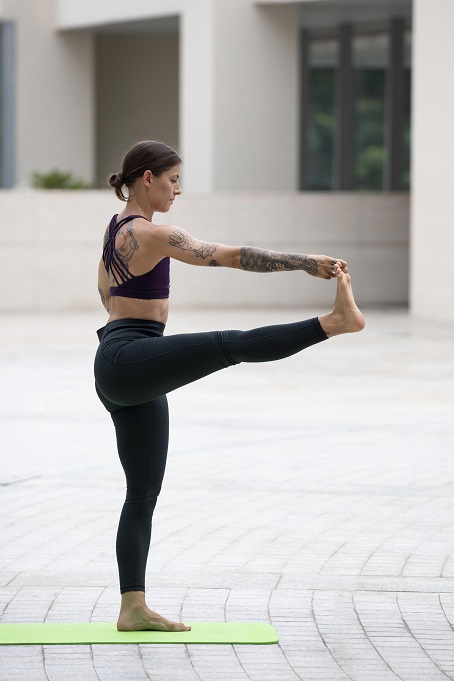
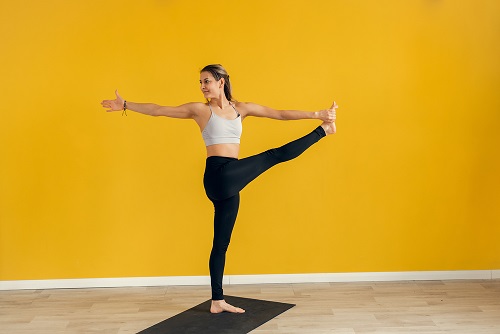
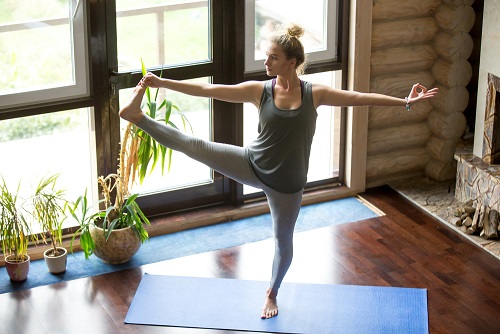
Utthita Hasta Padangustasana, also called the Extended Hand to Big Toe Pose, is a standing balancing posture that combines strength, flexibility, and focus. In this pose, you balance on one leg while lifting the other, holding the big toe with your hand, and extending the leg forward or to the side. This requires core stability, controlled breath, and mindful alignment.
Practicing Utthita Hasta Padangustasana strengthens the legs, hips, and core while improving flexibility and balance. It also enhances mental focus and concentration, helping cultivate calmness and steadiness, making it a valuable addition to any yoga routine for both physical and mental well-being.
The ‘V’ shape created by extending the leg and hand symbolizes peace. By practicing the Extended Hand to Big Toe Pose, you can experience profound serenity. Here are the steps to perform the pose along with some modifications.
How to Perform the Extended Hand to Big Toe Pose
- Begin in Tadasana (Mountain Pose): Bend your right knee toward your stomach.
- Reach with Your Right Arm: Slide your right arm inside your right thigh, cross it over the ankle, and hold the outside of your right foot.
- Firm the Left Foot: Ensure your left foot is firmly planted on the ground.
- Inhale and Extend: On an inhalation, straighten your right leg as much as possible.
- Balance and Breathe: Hold the pose for 30 seconds while maintaining steady breathing and balance.
Modifications
- Use a Strap: For practitioners with tight hamstrings or hips, loop a strap around your foot and hold it in your hand. This extension of the arm helps avoid lifting the leg too high.
- Practice with a Bent Knee: Beginners can keep the knee bent while practicing the pose, avoiding leaning forward or to the sides.
- Perform Against a Wall: Stand with your left side against a wall, resting your left hand on the wall while extending your right hand and foot.
Benefits of the Extended Hand to Big Toe Pose
Lets discuss some major benefits of Utthita Hasta Padangusthasana.
- Stretches Hamstrings and Hips: This pose helps alleviate tightness in the hamstrings and hips, which can improve flexibility and reduce the risk of injury.
- Supports Adductors: The pose stretches the adductors, which are crucial for the rotation and flexion of the femur at the hip joint.
- Improves Focus: Practicing this pose enhances focus and concentration, benefiting cognitive functions such as memory and decision-making.
- Strengthens the Back: It helps strengthen the back and spinal system, protecting against the effects of a sedentary lifestyle.
- Relieves Indigestion: The pose can aid in digestion by stimulating the digestive system.
- Revitalizes the Nervous System: Regular practice fosters a parasympathetic state, promoting overall nervous system health.
- Boosts Metabolism: It enhances metabolic processes, which can help maintain a healthy weight.
- Strengthens Legs and Feet: Holding the pose for 20-30 seconds strengthens the legs and feet, essential for balance and movement.
- Aids in Detoxification: Like other yoga postures, it helps purify the body and mind from toxins.
- Tones the Abdomen: It also tones the abdominal muscles, contributing to overall health and appearance.
Also Read – 7 Excellent Health Benefits of Padangusthasana (Hand to Big Toe Pose)
Conclusion
Incorporating the Extended Hand to Big Toe Pose (Utthita Hasta Padangustasana) into your yoga practice offers numerous benefits, from improved flexibility and strength to enhanced focus and digestion. Whether you’re new to yoga or looking to deepen your practice, this pose provides a pathway to greater balance, serenity, and mindfulness.
Regular practice of this pose can also help reduce stress, promote mental clarity, and boost your overall physical and emotional well-being. To explore this pose and other aspects of yoga, consider joining our 200 Hour Yoga Teacher Training In India or delve deeper with our 300 Hour Yoga Teacher Training in India. For a more intensive experience, our Ayurveda Retreat In Kerala or Yoga Retreat In India are also available. Enhance your practice and overall well-being by discovering more at Rishikul Yogshala.
FAQ
Q1. What is Utthita Hasta Padangusthasana?
Ans. It is a standing balance pose, also called the Extended Hand-to-Big-Toe Pose, that strengthens the legs, core, and improves focus.
Q2. What muscles does Utthita Hasta Padangusthasana work?
Ans. It engages the legs, hips, core, and improves flexibility in the hamstrings and shoulders.
Q3. Is Utthita Hasta Padangusthasana suitable for beginners?
Ans. Yes, beginners can practice it with modifications like using a strap or keeping the lifted leg bent.
Q4. What are the main health benefits of this pose?
Ans. It improves balance, flexibility, strength, concentration, and helps calm the mind.
Q5. How often should I practice Utthita Hasta Padangusthasana?
Ans. Practicing 3–4 times a week is sufficient to see improvements in balance, flexibility, and mental focus.

Lead Teacher in Yoga Philosophy, Pranayama, Meditation, Kundalini and Therapeutic Applications of Yoga
Born into a traditional spiritual home, Krishna spent over a decade climbing the corporate ladder at Capgemini and Morgan Stanley worldwide; before quitting them to explore the purpose of life. He set forth on a spiritual quest, Learning and Experiencing Yoga with Great Yogis and Spiritual Masters of the Modern World. Krishna's teachings comprises of the ancient practices of yoga through modern scientific reasoning. He specializes in Yoga Philosophy, Pranayama, Meditation, Kundalini and Therapeutic Applications of Yoga. Connect with your true nature and experience the mystical dimensions of yoga in conversation with Krishna.
View Instagram Profile View Linkedin Profile