 +91 9131509957
  info@rishikulyogshala.org




Top 5 Yoga Meditation Positions (Poses)
Meditation Positions
The notion of the perfect body varies from person to person. Some like it sculpted, while others admire the slim and slender form. However, what unanimously appeals to us is mental poise. The universal method of embracing peace of mind in combination with heightened alertness and inner strength is meditation.
Sitting Down Postures
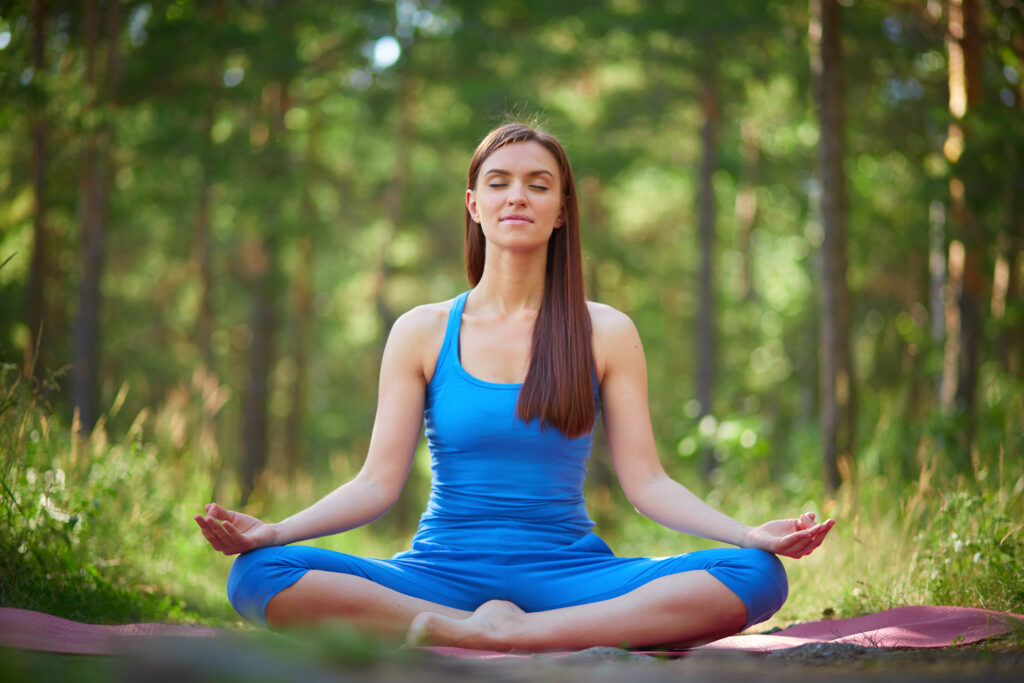
One of the preferred categories of meditation postures is sitting down. Meditators can perform any form of meditation in a cross-legged sitting position with close attention to the elements listed below:
1. Alignment of the Body
When sitting in yoga meditation positions, align the back, neck, and head in an upright and comfortable position. Do not hunch or lean. Sit straightforwardly with a smile on your face. Those facing difficulty sitting on the floor can use a meditation cushion for elevation. Make sure to check the adjustment and alignment.
2. Relaxation
Relax the muscles and joints of the body. Do not strain the neck, shoulders, knees, or arms in this position. The arms should be effortlessly stretched out with hands on the lap.
3. Stillness
Gain a sense of balance with stability. Rock side to side until you find your center of balance. Keep your eyes closed to focus on the third eye.
5 Powerful Yoga Meditation Poses You Can Practice for Better Focus & Calm
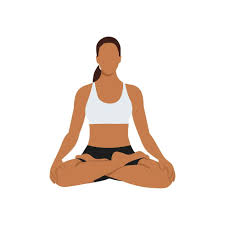
1. Quarter Lotus Pose (Pada Padmasana)
A variation of the lotus pose in which the feet are placed on the opposite calves instead of the thighs. This is one of the highly revered poses employed for meditation and mantra chanting. It is beneficial for novice yoga practitioners and individuals with tight hips and ankles who find sitting in a lotus pose for longer durations strenuous.
Steps:
- Sit on a yoga mat with an upright stance and a relaxed body.
- Use your hands to cross your legs at the shins.
- Place the right foot on the calf of the left leg and the left foot on the calf of the right leg.
- Fold your hands in Anjali Mudra in front of the heart centre.
- Hold this meditative pose as long as you are comfortable.
2. Half Lotus Pose (Ardha Padmasana)
An intermediate yoga position involving a greater arrangement of thighs, hips, knees, and ankles due to the elevation of one foot. When in the half lotus pose, breathe through the nostrils to dive into the meditative state and to embrace deep serenity. This pose strengthens the back, improves posture, and stretches the muscles of the hips, knees, thighs, and ankles.

How to perform:
- Start in a Staff Yoga Posture (Dandasana).
- Cross your legs with the left foot resting on top of the right hip crease.
- Tuck the right leg under the opposite thigh.
- Those with weak knees and tight thighs can protect the knee by placing a folded blanket under the knee of the top-crossed leg.
- Draw the shoulders back and be comfortable in the position.
- Place the hands in Gyan Mudra atop the knees.
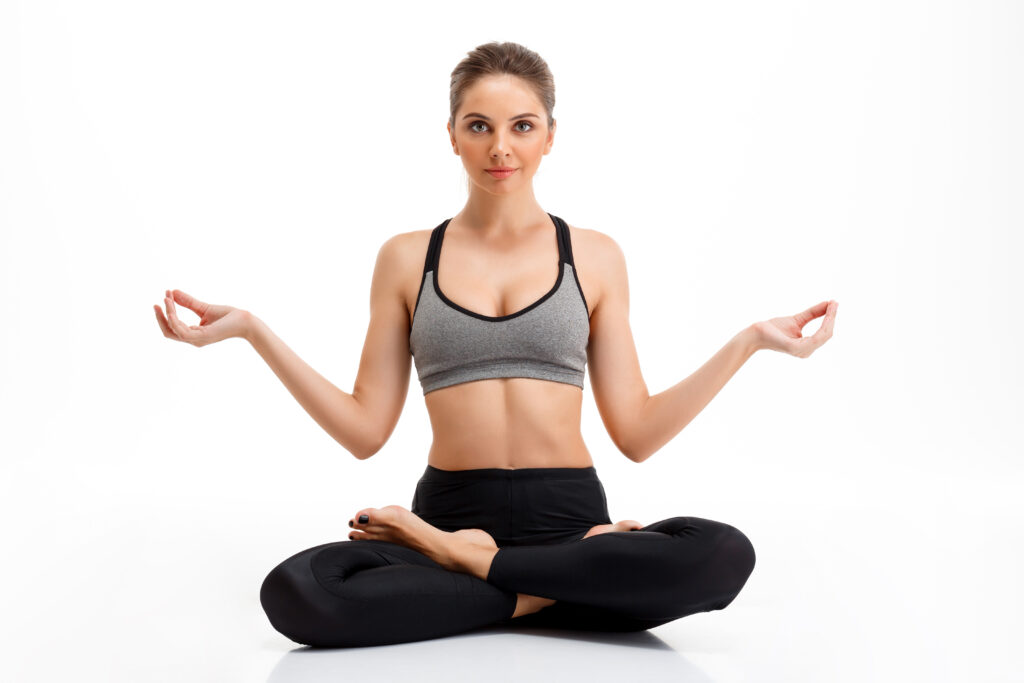
3. Lotus Pose (Padmasana)
An ultimate meditation posture, the lotus pose helps you sit for longer durations in meditation. Traditionally, Padmasana is revered for its calming nature. The Hatha Yoga Pradipika entitles it as the destroyer of all diseases, and several ancient texts claim that it awakens the Kundalini energy. Anatomically, it increases blood supply in the pelvis, provides relief from menstrual discomfort, strengthens the spine, and stretches the thighs, hips, and knees.
Instructions:
- Sit on the floor with legs outstretched in front of you.
- Bend the knees and interweave the legs with both feet placed atop opposite thighs.
- Place the palms in Jnana Mudra.
Also Read – Baddha Padmasana (Locked Lotus Pose) – Top 7 Excellent Health Benefits
4. Burmese Position (Easy Pose or Sukhasana) or simply cross-legged sitting
Burmese Position, also called easy pose or sukhasana or simply cross-legged sitting, is a simple yet effective yoga meditative posture that is highly suitable for all levels of meditators. Savour the peacefulness, strengthening, and health rewards of the Burmese posture by following the step-by-step procedure:
Steps:
- Begin in a seated pose with legs straight in front of you.
- Cross the legs with feet on the floor and knees open to the sides.
- Lengthen the spine and relax the body.
- Place your hands on your knees, palms down.
Also Read: 5 Incredible Health Benefits of Sukhasana (Easy Sitting Pose)
5. Seiza Pose (Vajrasana)
Practitioners can take up their meditation practices in a Seiza Pose instead of the classical crossed-legged seated position. Seiza is a propped-up Hero Pose (Virasana).

Steps:
- Kneel on the floor (place a bolster between thighs and calves).
- Sit between the feet and press the tops of the feet into the floor.
- Fold your hands in Gyan Mudra.
Take time to establish yourself in these meditation positions correctly to rejuvenate the mind and connect with the inner self effortlessly.
Read More – Vajrasana – Top 10 Thundering Health Benefits
Conclusion
Meditation is more than a practice; it’s a path to self-awareness, inner peace, and mental clarity. The five yoga meditation poses highlighted above provide an accessible and effective way to create a steady foundation for your practice. Each pose encourages alignment, stability, and comfort, allowing the mind to focus and the body to relax, enhancing the overall meditation experience. In addition, meditation hand positions (mudras) can be incorporated to channel energy, deepen focus, and enhance the calming effects of your practice. By integrating these postures and mudras into your daily routine, you can gradually cultivate calm, balance, and resilience in both your mental and physical well-being.
For those seeking a deeper journey into meditation and yoga, the Residential 200 Hour Yoga Teacher Training at Rishikul Yogshala offers a comprehensive program that combines asanas, meditation techniques, pranayama, and yogic philosophy. This training empowers students to not only refine their personal practice but also confidently share the teachings with others, nurturing growth on and off the mat.

Lead Teacher in Yoga Philosophy, Pranayama, Meditation, Kundalini and Therapeutic Applications of Yoga
Born into a traditional spiritual home, Krishna spent over a decade climbing the corporate ladder at Capgemini and Morgan Stanley worldwide; before quitting them to explore the purpose of life. He set forth on a spiritual quest, Learning and Experiencing Yoga with Great Yogis and Spiritual Masters of the Modern World. Krishna's teachings comprises of the ancient practices of yoga through modern scientific reasoning. He specializes in Yoga Philosophy, Pranayama, Meditation, Kundalini and Therapeutic Applications of Yoga. Connect with your true nature and experience the mystical dimensions of yoga in conversation with Krishna.
View Instagram Profile View Linkedin Profile