 +91 9131509957
  info@rishikulyogshala.org




Hatha vs. Ashtanga Vinyasa Yoga: Understanding the Key Differences
There is something for everyone in the world of yoga, from gentle movements that help you heal to powerful, flowing sequences that push your limits. Hatha Yoga and Ashtanga Vinyasa Yoga are two different ways of practicing this large tradition. Hatha is great for building a calm and grounded practice because it encourages a steady pace, deep breathing, and being aware of your alignment. Ashtanga Vinyasa gives you structure, discipline, and heat through a set of postures that are always done in the same way and linked to your breath. Once you know how these two styles are different, you can choose one that fits your needs, goals, and the kind of experience you want to have on the mat.
What is Hatha Yoga?
Hatha yoga is a broad term that encompasses any yoga practice combining physical postures (asanas), breathing techniques (pranayama), and meditation. It is often used to describe a gentle, slow-paced practice focusing on basic postures and alignment.
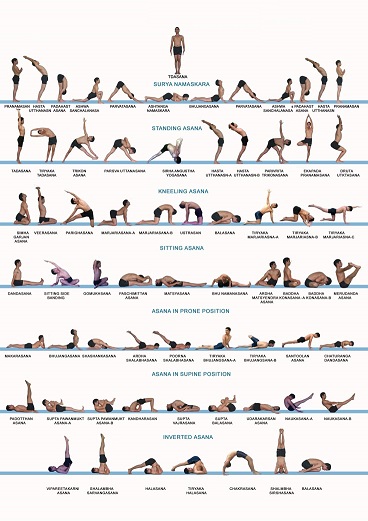
Key Characteristics of Hatha Yoga:
- Slow Pace: Hatha yoga classes are typically slower-paced, allowing practitioners to take their time with each posture.
- Focus on Alignment: Emphasis is placed on proper alignment and holding each pose for an extended period.
- Breath Awareness: Breathing techniques are integrated with the postures to enhance relaxation and mindfulness.
- Accessibility: Hatha yoga is suitable for beginners and those seeking a gentle, restorative practice.
Read More – The 10 Health Benefits of Hatha Yoga
What is Ashtanga Vinyasa Yoga?
Ashtanga Vinyasa yoga is a dynamic and physically demanding style that follows a set sequence of postures. Developed by K. Pattabhi Jois, it is known for its vigorous practice and flowing movements.
Key Characteristics of Ashtanga Vinyasa Yoga:
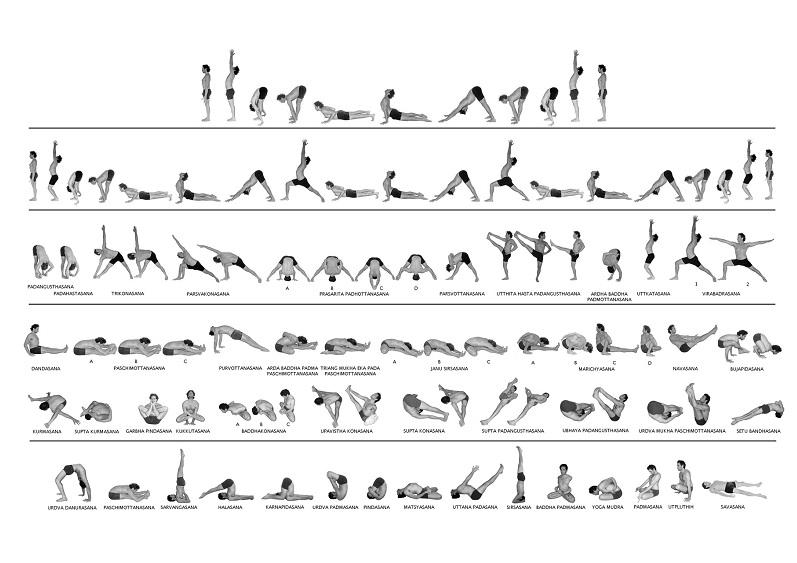
- Set Sequence: Practitioners follow a specific series of postures in a set order, progressing through six levels of increasing difficulty.
- Dynamic Flow: The practice involves a continuous flow of movements linked with breath (vinyasa), creating a vigorous and athletic experience.
- Breath and Bandhas: breath control (ujjayi) and internal locks (bandhas) are emphasised to generate internal heat and purify the body.
- Consistency: Ashtanga requires dedication and consistency, with practitioners typically practicing six days a week.
Read More: Ashtanga Yoga Primary Series
Key Differences Between Hatha and Ashtanga Vinyasa Yoga
1. Pace and Intensity
Hatha Yoga:
- Slow-paced and gentle
- Emphasis on holding poses for longer periods
- Focus on relaxation and breath awareness
Ashtanga Vinyasa Yoga:
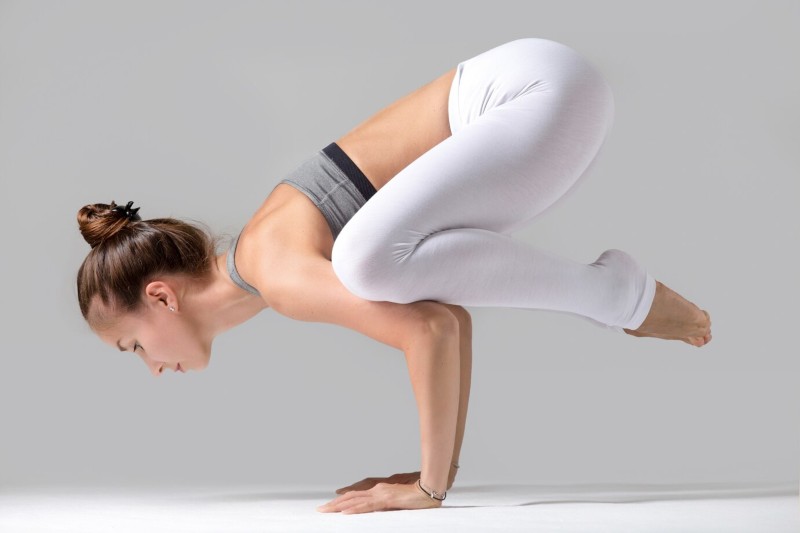
- Fast-paced and intense
- The continuous flow of postures linked with breath
- Physically demanding and rigorous
2. Structure and Flexibility
Hatha Yoga:
- More flexible structure, with variations in each class
- Allows for modifications and adaptations based on individual needs
Ashtanga Vinyasa Yoga:
- Follows a strict sequence of postures
- Less room for modifications, though adjustments can be made for injuries or limitations
3. Accessibility and Suitability
Hatha Yoga:
- Suitable for beginners and those seeking a restorative practice
- Ideal for individuals with physical limitations or those new to yoga

Ashtanga Vinyasa Yoga:
- Best suited for experienced practitioners or those looking for a challenging workout
- Requires a higher level of physical fitness and commitment
4. Focus and Goals
Hatha Yoga:
- Focuses on alignment, breath, and mindfulness
- Aims to create a balanced and relaxed state
Ashtanga Vinyasa Yoga:
- Focuses on strength, flexibility, and stamina
- Aims to purify the body and mind through vigorous practice
Read More – The 10 Health Benefits of Hatha Yoga
Which Style is Right for You?
Choosing between Hatha and Ashtanga Vinyasa yoga depends on your personal preferences, goals, and fitness level. Here are some considerations to help you decide:
- If you’re new to yoga or looking for a gentle, restorative practice: Hatha yoga is a great place to start. It offers a slower pace and a focus on alignment, making it accessible to beginners and those with physical limitations.
- If you’re seeking a challenging, physically demanding practice: Ashtanga Vinyasa yoga may be the right choice. It provides a vigorous workout and a structured sequence that can enhance strength, flexibility, and stamina.
Read More – The Top 10 Benefits of Ashtanga Yoga
Conclusion
Choosing between Hatha Yoga and Ashtanga Vinyasa Yoga ultimately depends on what you’re seeking from your practice. If you prefer a slower, more mindful approach that helps you build awareness, alignment, and inner balance, Hatha Yog Asana is a beautiful place to begin. If you’re drawn to a dynamic, disciplined, and physically energizing practice, Ashtanga Vinyasa offers a structured path that builds strength, stamina, and focus.
Both styles hold immense value, and neither is “better” than the other—they simply guide you toward transformation in different ways. The most important step is to listen to your body, explore with curiosity, and choose the practice that resonates with your goals, energy, and lifestyle.
At Rishikul Yogshala, we honor every practitioner’s journey and offer authentic training in both traditional Hatha and dynamic Ashtanga Vinyasa Yoga. Whether you’re a beginner or an experienced yogi, our courses help you deepen your understanding, refine your practice, and grow with confidence on the mat.
200 Hour Yoga Teacher Training in India || 300 Hour Yoga Teacher Training in India || Yoga Retreat in India
FAQs
Q1. What is Ashtanga Vinyasa Yoga?
Ans. It is a dynamic yoga style that connects breath with a set sequence of flowing postures.
Q2. What is the difference between Ashtanga and Vinyasa Yoga?
Ans. Ashtanga follows a fixed series of poses, while Vinyasa is more flexible and creatively sequenced.
Q3. Is Ashtanga Vinyasa Yoga for beginners?
Ans. Yes, beginners can practice it, but it’s more intense and best learned with guidance.
Q4. Which yoga style is better for beginners?
Ans. Hatha Yoga is usually better due to its slow, alignment-focused approach.
Q5. Is Ashtanga Vinyasa harder than Hatha Yoga?
Ans. Yes. Ashtanga is faster, more structured, and physically more demanding.
Q6. Can Ashtanga Vinyasa Yoga help build strength?
Ans. Yes, it builds stamina, strength, and internal heat through continuous flow.
Q7. Is Hatha Yoga good for flexibility?
Ans. Yes. Holding poses longer helps improve flexibility and body awareness.
Last Updated On: 18-11-2025

Lead Teacher in Yoga Philosophy, Pranayama, Meditation, Kundalini and Therapeutic Applications of Yoga
Born into a traditional spiritual home, Krishna spent over a decade climbing the corporate ladder at Capgemini and Morgan Stanley worldwide; before quitting them to explore the purpose of life. He set forth on a spiritual quest, Learning and Experiencing Yoga with Great Yogis and Spiritual Masters of the Modern World. Krishna's teachings comprises of the ancient practices of yoga through modern scientific reasoning. He specializes in Yoga Philosophy, Pranayama, Meditation, Kundalini and Therapeutic Applications of Yoga. Connect with your true nature and experience the mystical dimensions of yoga in conversation with Krishna.
View Instagram Profile View Linkedin Profile