 +91 9131509957
  info@rishikulyogshala.org




Meditation Practices for Inner Peace and Focus
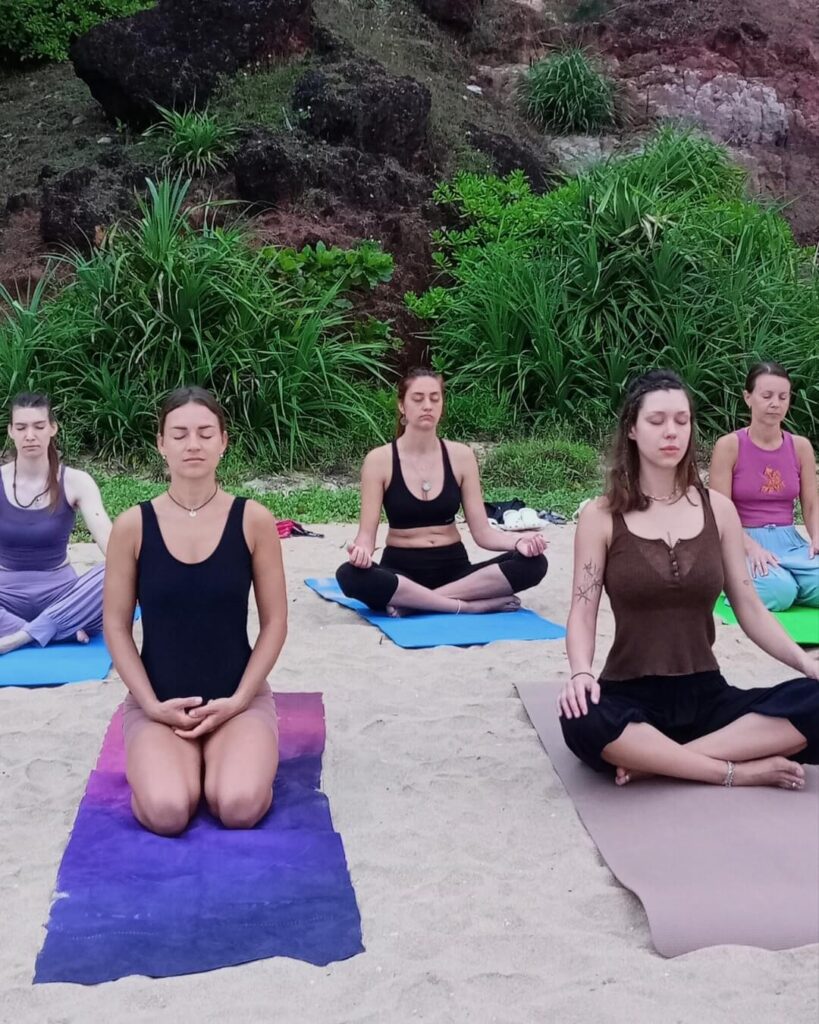
Meditation Practices are often described as a divine art, and for good reason. Those who practice meditation consistently tend to radiate a unique energy, often referred to as ‘vibrations‘ or ‘the vibe’ in modern terms. Meditation is more than just sitting quietly and cultivating patience; it’s about nurturing feelings of kindness, love, and peace, which contribute to better mental health. Research suggests that meditation offers more than just temporary relief—it has the potential for profound, lasting benefits.
5 Meditation Tips by Paramahansa Yogananda
As shared in Conversations with Yogananda by Swami Kriyananda (source: Ananda):
“Do not be anxious if you don’t have meditative experiences. The path to God is not a circus! Don’t even be anxious about such fruits of meditation as inner joy and peace. Everything will come in time. Meanwhile, consider meditation, too, as a form of karma yoga: an action without desire for the fruits of action. Meditate above all to please your higher self, not your ego.”
Ways to Practice Meditation
1. Zen Meditation
- Originating from Buddhist traditions, Zen Meditation involves sitting comfortably, focusing on your breathing, and observing thoughts without judgment. This practice is ideal for those seeking profound inner peace. Guidance from experienced Yoga teachers can help you follow the specific steps and postures required.
2. Mindfulness Meditation
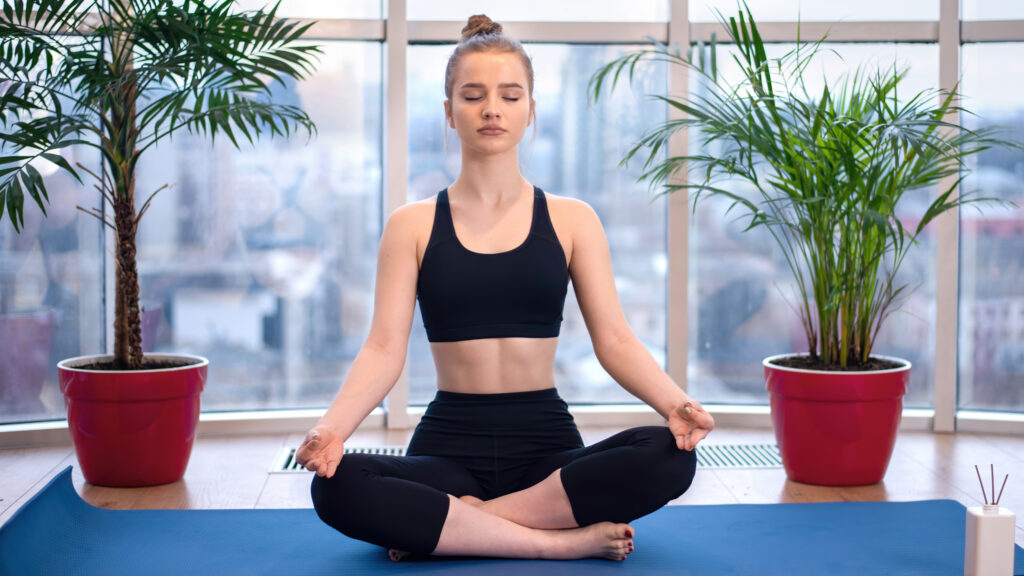
- Popular in the West, Mindfulness Meditation also has Buddhist roots. It involves heightened concentration and awareness, cleansing the mind of unwanted thoughts, and breaking existing mental patterns.
3. Mantra Meditation
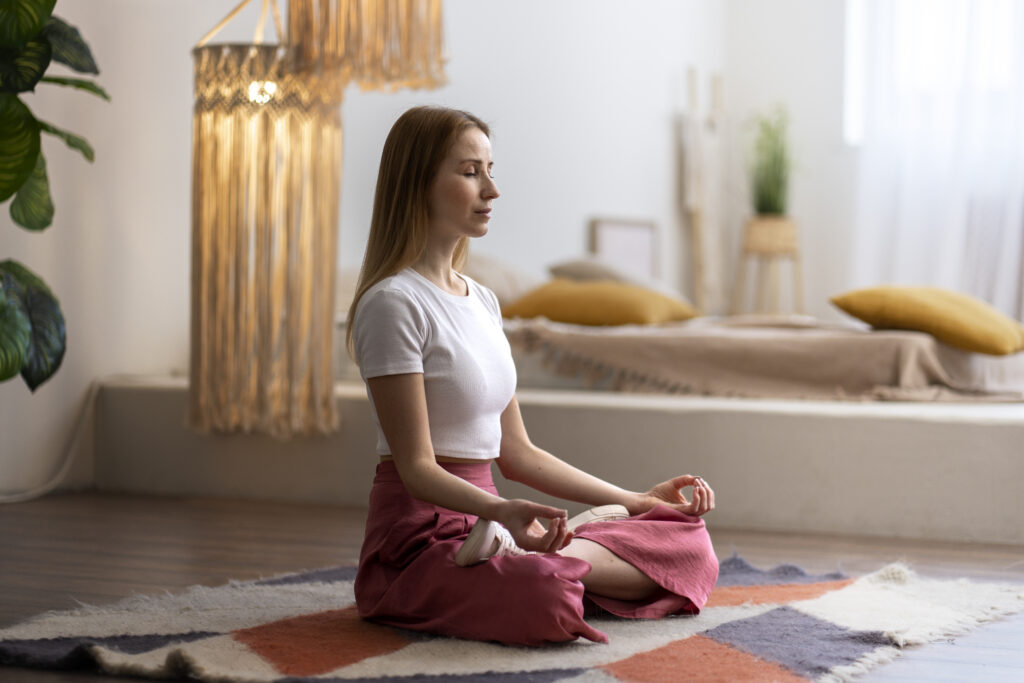
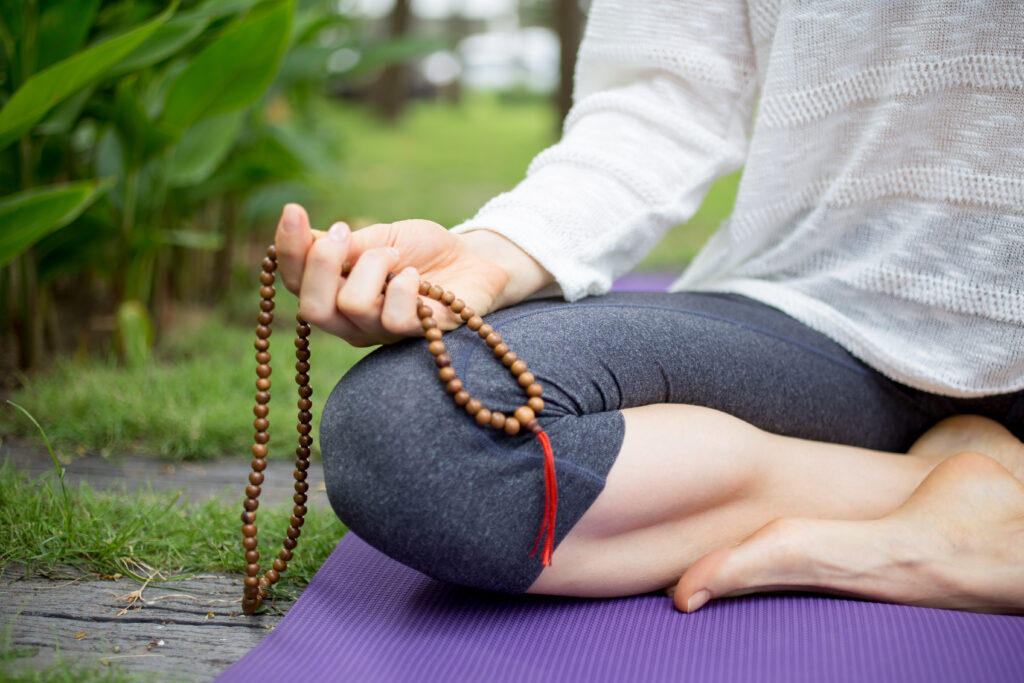
- This practice involves repeating a word, phrase, or sound, such as OM or Om Namah Shivaye. Chanting a mantra helps create a vibrational shield, aligning you with your surroundings and enhancing awareness. It is especially useful for those who find silence challenging.
4. Transcendental Meditation
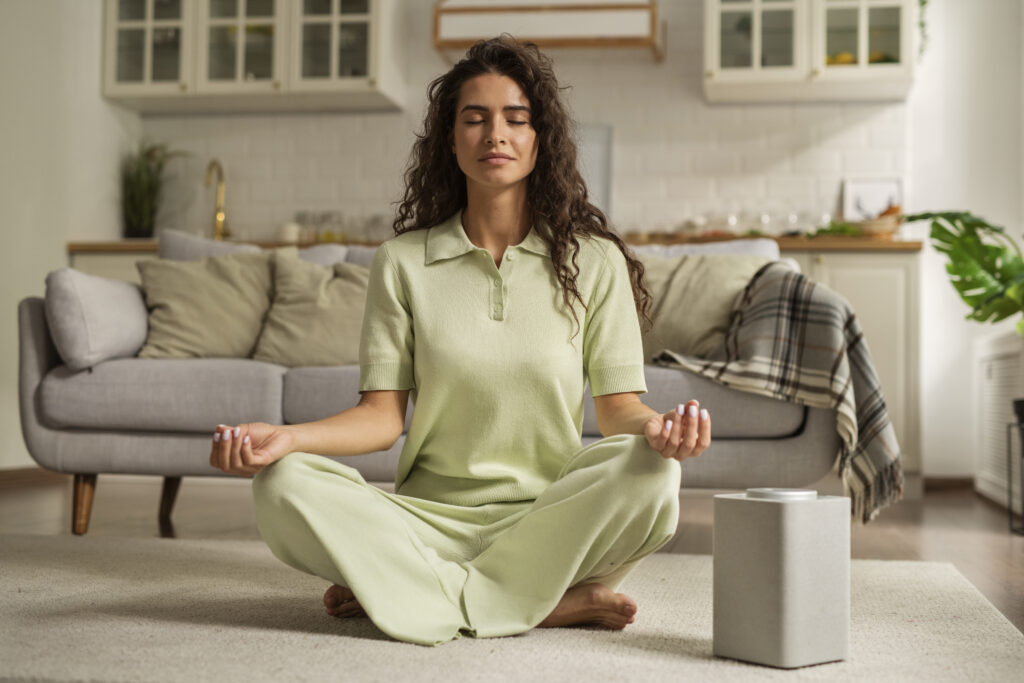
- Introduced by Maharishi Mahesh Yogi in the 1950s, this form of meditation uses slow, deep breathing and mantra repetition to elevate spiritual awareness. It’s often practiced under licensed instructors to deepen mindfulness and spiritual understanding.
5. Vipassana Meditation
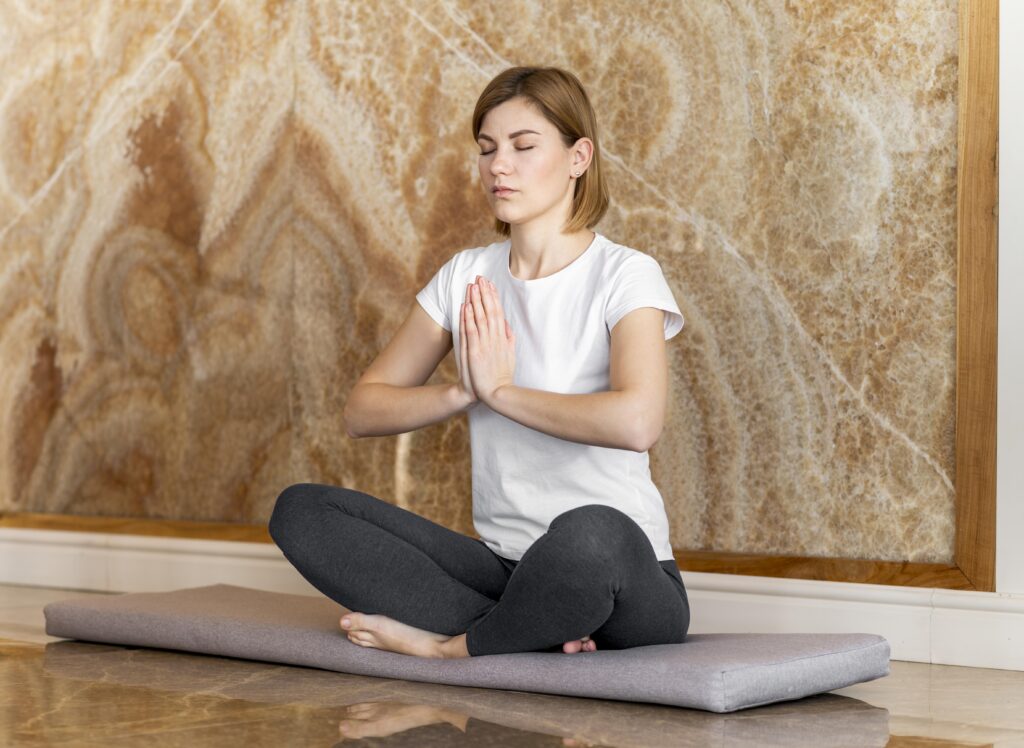
- Vipassana, meaning “clear seeing,” focuses on observing reality without distortion. This practice aims to eliminate mental impurities, leading to profound self-transformation and inner happiness. It emphasizes the deep connection between mind and body.
Additional meditation practices include Metta Meditation, Kundalini Meditation, Chakra Meditation, Third Eye Meditation, Tantra Meditation, and Pranayama Meditation. Despite their variations, all aim to provide mental peace and spiritual freedom.
Benefits of Meditation
- Improved blood circulation
- Reduction in stress and anxiety
- Enhanced self-awareness
- Deeper relaxation and self-consciousness
- Better focus and concentration
- Improved memory and attention span
- Promotes emotional health
- Rewires the brain
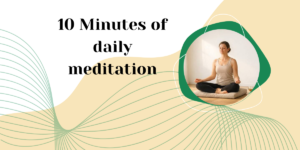
Incorporating just 15-20 minutes of meditation into your daily routine can lead to significant changes in your life. Accept this practice and observe its transformative effects. Remember, consistency is key—once you reach a state of peacefulness, maintain it through regular practice.
Also Read: How Yoga And Meditation Are Helpful For Removing Negative Thoughts
Conclusion
Meditation is a gentle yet powerful practice that brings clarity, balance, and inner awareness into daily life. The five meditation practices discussed in this blog offer different ways to calm the mind, improve focus, and develop a deeper connection with the self. With regular practice, meditation becomes a tool for managing stress, cultivating mindfulness, and living with greater presence and intention.
Consistency matters more than duration. Even a short daily meditation practice can create meaningful changes in mental clarity and emotional stability over time. As awareness deepens, meditation naturally supports personal growth and a more balanced approach to life, both on and off the mat.
For those who wish to explore meditation more deeply within a structured and supportive environment, the 200 Hour Yoga Teacher Training at Rishikul Yogshala offers a strong foundation. The program integrates meditation, yogic philosophy, and practical guidance to help students develop a disciplined and authentic practice. Whether your goal is self-growth or teaching others, deepening your meditation journey can be a transformative step toward holistic well-being.
FAQs on Meditation
Q1. What is meditation?
Ans. Meditation is a practice that helps calm the mind, improve awareness, and develop inner balance through focused attention and breathing.
Q2. How can beginners start meditation?
Ans. Beginners can start by sitting comfortably, focusing on the breath, and practicing for 5–10 minutes daily without forcing the mind to be silent.
Q3. How long should I meditate each day?
Ans. Even 10–15 minutes of daily meditation can bring noticeable benefits when practiced consistently.
Q4. Is it normal for thoughts to arise during meditation?
Ans. Yes, thoughts are natural. Meditation is about observing them without judgment and gently returning to focus.
Q5. What are the benefits of regular meditation?
Ans. Regular meditation helps reduce stress, improve concentration, support emotional balance, and enhance overall well-being.
Q6. Can meditation be practiced by anyone?
Ans. Yes, meditation is suitable for people of all ages and backgrounds and can be adapted to individual needs.
Q7. What is the best time to meditate?
Ans. Early morning is ideal for many people, but meditation can be practiced at any quiet time that feels comfortable.
Last Updated On: 29-12-2025

Lead Teacher in Yoga Philosophy, Pranayama, Meditation, Kundalini and Therapeutic Applications of Yoga
Born into a traditional spiritual home, Krishna spent over a decade climbing the corporate ladder at Capgemini and Morgan Stanley worldwide; before quitting them to explore the purpose of life. He set forth on a spiritual quest, Learning and Experiencing Yoga with Great Yogis and Spiritual Masters of the Modern World. Krishna's teachings comprises of the ancient practices of yoga through modern scientific reasoning. He specializes in Yoga Philosophy, Pranayama, Meditation, Kundalini and Therapeutic Applications of Yoga. Connect with your true nature and experience the mystical dimensions of yoga in conversation with Krishna.
View Instagram Profile View Linkedin Profile