 +91 9131509957
 info@rishikulyogshala.org




The 7 Benefits of Anjaneyasana (Low Lunge Pose)
Think of a pose that links you to hundreds of years of yoga history. The Low Lunge Pose, or Anjaneyasana, does just that. This pose strengthens the lower body and gives you a little boost of energy when you focus on your breath and alignment. The guide that follows explains where it comes from in Hindu mythology, how to do it right, and seven health benefits that improve flexibility, balance, and overall health.
Anjaneyasana: The Low Lunge Pose
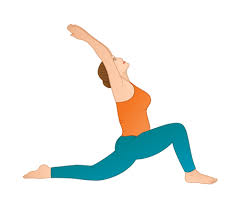
In Hindu mythology, Anjaneyasana is a patronymic reference to Lord Hanuman, known for his miraculous strength, power, and valor. The name “Anjaneyasana” is derived from the Sanskrit term for the “Low Lunge Pose,” which resembles the divine child (Anjaneya) with an arched back reaching towards the sky, as depicted in the epics.
As a deep stretching yoga posture, Anjaneyasana provides a powerful stretch and strengthens the groin, quadriceps, and iliopsoas of the back legs. This pose is a perfect combination of balance, backbend, and stretch, bringing a strong sense of union, openness in the hips, and all-embracing goodness to practitioners’ lives.
To maximize the benefits of the Low Lunge Pose, practicing with attention to detail and alignment is crucial. Below are the steps to perform the Anjaneyasana pose:
How to Perform Anjaneyasana (Low Lunge Pose)
- Begin in Downward-Facing Dog Pose (Adho Mukha Svanasana).
- Exhale and bring your right foot forward between your hands.
- Lower your left knee to the mat and rest the top of your left foot on the floor, with toes pointing straight back.
- Ensure your right knee is stacked directly over the right ankle, avoiding forward movement toward the toes or outward movement to the left or right. This alignment keeps the knee safe from injury.
- Place your hands on your right knee, roll your shoulders back, gently shift your weight into your hips, and draw your tailbone toward the ground.
- Raise your arms alongside your ears, with palms facing each other or in Anjali Mudra.
- Breathe deeply and lengthen your spine.
- Allow your head to tilt back naturally, gazing upward.
Tips for Practicing the Low Lunge Pose
- If you feel unbalanced, practice against a wall or use a yoga bolster for stability and correct body alignment.
- If you experience pain or discomfort in the back knee, place it on a folded blanket.
- Pay attention to the placement of your feet and legs for overall balance.
- Always practice within your range of comfort and ability.
Top Seven Health Benefits of Anjaneyasana
Low lunge benefits help stretch and strengthen the hips, legs, and core, promoting better balance and flexibility while supporting overall joint health. Here are few:
- Activates Thyroid Glands: Raising your hands overhead naturally tilts the neck back, giving the thyroid region a beneficial stretch. This stimulates the thyroid glands, boosting the body’s metabolic functions.
- A Heart-Opening Yoga Posture: As a heart-opening pose, Anjaneyasana improves breathing and increases blood circulation. Lifting the chest forward allows the heart muscles to open and the lungs to expand, enhancing oxygen supply and prana flow.
- Flexible Lower Body: The Low Lunge Pose engages the hips, thighs, hamstrings, groins, and quadriceps, facilitating deep stretching and a greater range of motion. This makes it ideal for runners, athletes, cyclists, and those with sedentary lifestyles.
- Therapeutic for Sciatica: Anjaneyasana yoga pose has therapeutic properties for sciatica pain. Regular practice can provide relief from the excruciating pain along the leg.
- Beneficial for the Abdomen: Like other heart openers, the Low Lunge Pose benefits the internal organs and abdomen. It creates a wonderful opening in the abdomen, improving its functions and aiding effective digestion.
- A Gentle Backbend: Considered a gentle backbend, this pose increases spinal mobility, improves posture, alleviates back and neck pain, and improves body awareness.
- An Alternative to Warrior I: For those unable to perform the majestic Warrior I Pose (Virabhadrasana) due to various reasons, the Low Lunge Pose offers similar health benefits for the body, mind, and spirit.

Practicing Anjaneyasana encourages patience, harmony, focus, and well-being. However, individuals with cardiac problems should avoid this posture.
Also Read – 5 Basic Yoga Poses to Stretch
Conclusion
Anjaneyasana, or the Low Lunge Pose, offers a multitude of physical and mental benefits. By incorporating this powerful pose into your routine, you can enhance flexibility, strengthen your lower body, and promote overall well-being. To deepen your understanding and practice of Anjaneyasana, consider joining a Yoga Teacher Training In India. Explore the transformative power of yoga with programs like the 200 Hours Yoga Teacher Training In India, 300 Hour Yoga Teacher Training In India, and 500 Hour Yoga Teacher Training in India. Start the journey of self-discovery and growth with Rishikul Yogshala.

MEDITATION, INSPIRATIONAL AND SPIRITUAL GUIDE
Yogi Gangesha Chaitanya is a master of Yoga Philosophy, Meditation, Pranayama, and Spiritual Guidance, trained under Swami Rama and renowned institutions like the Himalayan Tradition and Sri Aurobindo Ashram. With expertise in Kundalini Yoga and meditation, he mentors students in 200-hour and 300-hour Yoga Teacher Training programs, guiding them toward inner awareness, spiritual growth, and a deeper understanding of yoga.
View Instagram Profile

- What Are Healing Frequencies? Understanding the Power of Sound and Vibration
- Solar Plexus Chakra: What It Does, Where It Is, and How to Balance It?
- Om Shanti Mantra: Meaning, History & Its Deep Connection With Yoga
- Ujjayi Pranayama: Steps, Benefits & How to Practice

- Is 200 Hour Yoga Teacher Training Course Enough to Build a Successful Teaching Career?