 +91 9131509957
 info@rishikulyogshala.org




The Best 6 Yoga Poses for Kidney Disorders
Most people take their kidneys for granted until they malfunction, but they do a lot of work in the background to keep the body functioning correctly. The kidneys filter out toxins and excess fluid and maintain proper electrolyte levels; thus, when someone has low energy, feels fatigued, has continuous weakness or swelling, it could indicate problems with the kidneys.

In this article, you will find information on six specific postures that will improve kidney circulation, reduce kidney pressure, and promote detoxifying abilities through increased circulation. Each posture will provide benefits similar to a “reset button” for your body’s internal systems, allowing you to release tension, improve clarity, and gain more energy. While these asanas may provide an effective long-term solution for individuals with chronic kidney disease, they are also beneficial for those seeking to improve their overall health and well-being.
Yoga Poses for Kidney Disorders
In today’s world, where sedentary lifestyles and environmental stress are common, it’s essential to embrace the benefits of physical activity. Yoga, an ancient practice renowned for its health benefits, stands out as a powerful tool for disease prevention and overall wellness.
Kidney disorders are becoming increasingly prevalent due to factors such as pollution, dehydration, medication side effects, and toxic overload. Fortunately, the science of yoga, passed down through generations, offers effective solutions to promote kidney health.
Practice These Top Yoga Poses for Kidney Health:
Yoga asanas for kidney health can help improve kidney function, boost circulation, and reduce stress, supporting overall kidney well-being. Practicing yoga and CKD-specific poses can help reduce symptoms, improve kidney health, and support overall well-being.
1. Ustrasana (Camel Pose):
- Start on your knees with legs hip-width apart. Internally rotate the thighs and keep them perpendicular to the floor. Place your hands on the back of your pelvis with fingers pointing downward.
- Lift your chest and lean back, keeping your head up and chin near your sternum. Drop your head back gently, avoiding neck strain. Hold this pose for 30 seconds.
- Ustrasana Benefits: Camel Pose massages the kidneys and enhances blood flow, aiding in detoxification.

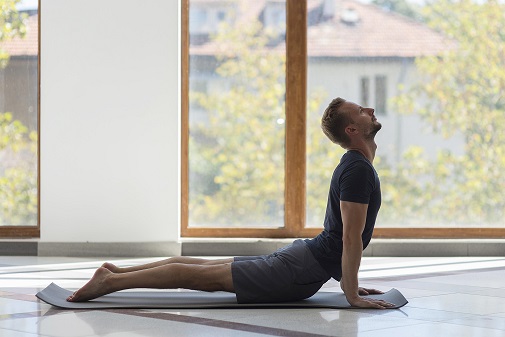
2. Bhujangasana (Cobra Pose):
- Lie on your stomach with legs extended and feet on the mat. Place your palms near your body with elbows close to your torso. Press your palms into the ground to lift your head and chest.
- Rest your body on your navel and look slightly upward. Hold for 20 seconds.
- Bhujangasana Benefits: Cobra Pose stretches the kidneys and helps clear blockages, providing relief from kidney stones.
Read More: Top 10 Health Benefits of Bhujangasana (Cobra Pose)
3. Pawanmuktasana (Wind Relieving Pose):
- Lie on your back with legs extended on a mat. Lift your feet off the floor and hug your knees to your chest. Extend one leg along the mat while bringing the other knee closer to your chest. Alternate legs and repeat 10-15 times.
- Pawanmuktasana Benefits: Pawanmuktasana releases pressure and clears kidney blockages, also aiding in kidney stone relief.

Learn More – Top 7 Health Benefits of Pawanmuktasana (Gas Release Pose)
4. Balasana (Child’s Pose):
- Begin on your hands and knees. Sit back with hips touching your heels and keep your back straight. Fold forward, resting your forehead on the ground, and extend your arms backward with palms facing up. Hold for 30 seconds to 1 minute.
- Balasana Benefits: This relaxing Balasana pose reduces stress and refreshes internal organs, including the kidneys.

Read More: Balasana (Child Pose) – Top 10 Incredible Health Benefits
5. Paschimottanasana (Seated Forward Bend Pose):
- Sit with legs extended and hands on the floor. Inhale and raise your arms, then exhale and bend forward, bringing your chest and head toward your legs. Try to touch your toes with your hands while keeping your spine erect. Hold for 30 seconds or longer.
- Paschimottanasana Benefits: Paschimottanasana stimulates the kidneys, ensuring health and vitality.

Learn More – Top 7 Health Benefits of Paschimottanasana (Seated Forward Bend Pose)
6. Setu-Bandhasana (Bridge Pose):
- Lie on your back with knees bent and feet close to your hips. Press your hands and feet into the ground and lift your body while keeping your head, shoulders, and feet on the floor. Hold for 60 seconds.
- Bridge Pose Benefits: Bridge Pose activates abdominal organs, including the kidneys, and can help manage high blood pressure, which is linked to kidney diseases.

Hydration and Lifestyle Tips: Stay hydrated and avoid heavy substances like alcohol to support kidney health.
Learn More – Bridge Pose (Setu Bandhasana) Benefits
Conclusion
Yoga can play a supportive role in maintaining kidney health and overall well-being. Gentle and targeted poses help improve blood circulation, stimulate kidney function, and relieve stress, which is often a contributing factor to kidney-related issues. Regular practice of these asanas can also enhance flexibility, strengthen the core, and promote a sense of calm and balance in daily life.
It is important to practice these yoga poses mindfully and with proper guidance, especially for those with pre-existing kidney conditions. Performing them correctly ensures maximum benefit while minimizing the risk of strain or injury. Combining these poses with proper breathing techniques can further enhance their effectiveness and support long-term kidney wellness.
At Rishikul Yogshala, these yoga poses are taught in detail during the 200 Hour Yoga Teacher Training in India, where students not only learn how to practice safely but also understand the therapeutic benefits and traditional wisdom behind each posture. By joining this program, students gain the skills to improve their own health and confidently guide others in practicing yoga for kidney health and overall well-being.
FAQ
Q1. Can yoga help improve kidney health?
Ans. Yes, certain yoga poses can support kidney function by improving blood circulation, reducing stress, and promoting overall wellness.
Q2. Which yoga poses are best for kidney disorders?
Ans. Gentle forward bends, twists, and restorative poses like Bhujangasana (Cobra), Ardha Matsyendrasana (Half Spinal Twist), and Supta Baddha Konasana are often recommended. Always practice under guidance.
Q3. Can people with serious kidney problems practice yoga?
Ans. People with serious kidney issues should consult their doctor before starting yoga. Only safe and gentle poses should be practiced under professional supervision.
Q4. How often should yoga be practiced for kidney health?
Ans. Practicing 20–30 minutes of gentle yoga daily or 4–5 times a week can support kidney health, depending on individual conditions and stamina.
Q5. Is breathing important while doing yoga for kidneys?
Ans. Yes. Proper breathing (pranayama) helps improve oxygen flow, reduces stress, and enhances the effectiveness of yoga for kidney health.
Last Updated On: 15-12-2025

MEDITATION, INSPIRATIONAL AND SPIRITUAL GUIDE
Yogi Gangesha Chaitanya is a master of Yoga Philosophy, Meditation, Pranayama, and Spiritual Guidance, trained under Swami Rama and renowned institutions like the Himalayan Tradition and Sri Aurobindo Ashram. With expertise in Kundalini Yoga and meditation, he mentors students in 200-hour and 300-hour Yoga Teacher Training programs, guiding them toward inner awareness, spiritual growth, and a deeper understanding of yoga.
View Instagram Profile

- What Are Healing Frequencies? Understanding the Power of Sound and Vibration

- Solar Plexus Chakra: What It Does, Where It Is, and How to Balance It?

- Om Shanti Mantra: Meaning, History & Its Deep Connection With Yoga

- Ujjayi Pranayama: Steps, Benefits & How to Practice

- Is 200 Hour Yoga Teacher Training Course Enough to Build a Successful Teaching Career?