 +91-9258611240
 info@rishikulyogshala.org



How To do Suryanamaskar
Learning how to do Suryanamaskar offers you a complete practice that energizes the body and steadies the mind. This graceful sequence combines forward folds, backbends, and grounding postures to activate your internal energy center while improving flexibility and stamina. As you follow the steps, you begin to connect movement with breath and feel the natural rhythm of the body aligning with calm awareness. Suryanamaskar allows you to build strength, reduce stress, and experience a renewed sense of vitality. This guide helps you to move through each posture with clarity, purpose, and mindful focus.
The Power of the Sun: Suryanamaskar for Mind, Body, and Soul
The Sun, the epitome of boundless energy, is not only a crucial element of our solar system but also plays a significant role in the human body and mind. Its power is directly linked to the Solar Plexus, or Kundalini Chakra, located behind the navel. Often referred to as the ‘second brain,’ this energy centre is vital for creativity and intuition. By connecting with the Sun through Suryanamaskar, or the Sun Salutation Series, you can activate this energy centre, fostering growth in mind, body, and soul.
Experience the transformative power of Suryanamaskar with these 12 simple steps: Steps to do Surya Namaskar
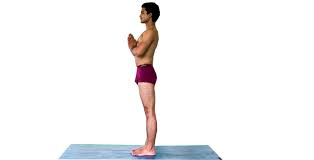
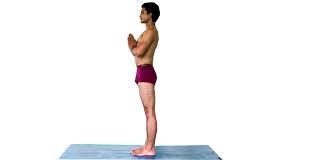
Step 1: Pranamasana, or the Prayer Pose
Start the series by standing on the legs with feet close to each other. Distribute body weight evenly on both legs. Keep shoulders relaxed and chest expanded. Bring both the palms together in front of the chest in ‘Namaste’ position.
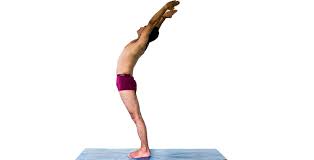
Step 2: Hasta Uttanasana or the Raised Arms Pose
Initial Position: Pranamasana
Inhale and lift the arms upwards forming a curve towards the back with biceps gently grazing the ears. Experience a stretch in the entire body as the arms make an effort to reach the sky. Keep the feet firmly grounded while performing it.
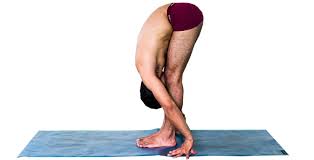
Step 3: Padahastasana or the Hand to Foot Pose
Initial Position: Hasta Utthanasana
Exhale while bending forward from the waist. Keep spine and legs upright, knees very lightly bent. Reach and grab both the ankle with respective hands.
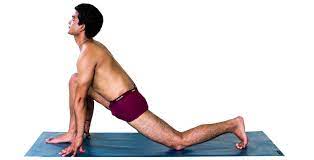
Step 4: Ashwa Sanchalanasana or the Equestrian Pose
Initial Position: Padahastasana
Inhale and push the right leg backwards to touch the edge of the mat – knee shall touch the ground. Bend the left leg as the knee is at perpendicular angle to the ground. Keep the left leg exactly in the middle of both the palms. Look up and exhale.
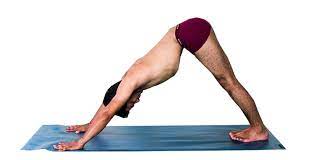
Step 5: Adho Mukha Shvanasana or the Downward Dog Pose
Initial Position: Ashwa Sanchalanasana
Inhale. Bring both the feet together pushed back while lifting the posterior upwards in an inverted ‘V’ position. Sustain body weight between the palms and the feet. Exhale.
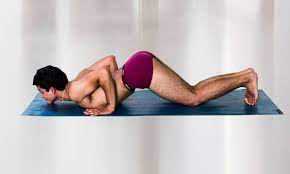
Step 6: Ashtanga Namaskara or Salute with Eight Points Pose
Initial Position: Adho Mukha Shvanasana
Rest the chest, chin and knees on the floor while breathing in. Raise the posterior upwards and exhale.
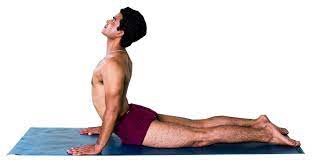
Step 7: Bhujangasana or the Cobra Pose
Initial Position: Ashtanga Namaskara
Gently move forward to let the body rest on the floor. Inhale as you raise the torso upwards from the waistline. Keep elbows bent and shoulders relaxed. Exhale as you look upwards in the raised position.
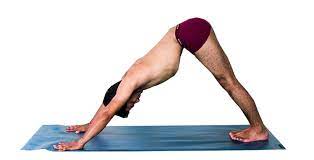
Step 8: Adho Mukha Svanasana or the Downward Dog Pose
Initial Position: Bhujangasana
Inhale. Bring both the feet together pushed back while lifting the posterior upwards in an inverted ‘V’ position. Sustain body weight between the palms and the feet. Exhale.
Step 9: Ashwa Sanchalanasana or the Equestrian Pose
Initial Position: Adho Mukha Shvanasana
Inhale and push the right leg backwards to touch the edge of the mat – knee shall touch the ground. Bend the left leg as the knee is at perpendicular angle to the ground. Keep the left leg exactly in the middle of both the palms. Look up and exhale.
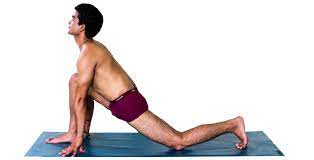
Step 10: Padahastasana or the Hand to Foot Pose
Initial Position: Ashwa Sanchalanasana
Exhale while bending forward from the waist. Keep spine and legs upright, knees very lightly bent. Reach and grab both the ankle with respective hands.
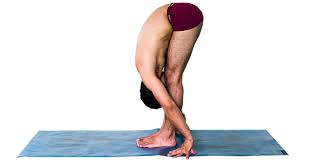
Step 11: Hasta Uttanasana or the Raised Arms Pose
Initial Position: Padahastasana
Inhale and lift the arms upwards forming a curve towards the back with biceps gently grazing the ears. Experience a stretch in the entire body as the arms make an effort to reach the sky. Keep the feet firmly grounded while performing it.
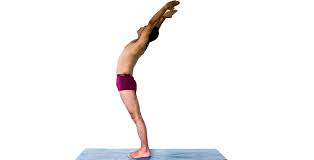
Step 12: Pranamasana or the Prayer Pose
Initial Position: Hasta Uttanasana
Inhale deeply and raise your arms upward, keeping them parallel with the ears and palms facing each other. Gently arch your back, allowing the chest to open and the gaze to follow your hands. Feel a stretch along the spine, shoulders, and sides of the body while keeping the feet firmly grounded. Engage your core to maintain balance and stability throughout the posture.
Also Read – Top 10 Excellent Benefits of Sun Salutations
Conclusion
Suryanamaskar, or Sun Salutations, is a transformative practice that integrates movement, breath, and mindfulness to strengthen the body, calm the mind, and uplift the spirit. Practicing Suryanamaskar regularly enhances flexibility, improves circulation, builds stamina, and supports overall well-being. Beyond the physical benefits, it helps reduce stress, increases mental clarity, and fosters a deep sense of inner balance.
Incorporating Suryanamaskar into your daily routine can turn a simple sequence of poses into a powerful tool for personal growth, energy, and vitality. For those seeking to deepen their yoga journey and gain a comprehensive understanding of this practice, training at Rishikul Yogshala through the 200 Hour Yoga TTC in India provides expert guidance, structured learning, and a supportive environment to truly master the art and benefits of Suryanamaskar.
Frequently Asked Questions (FAQs)
Q1: What is the best time to practice Suryanamaskar?
A: The most effective time is early morning, ideally at sunrise, when the body is refreshed and the mind is calm.
Q2: How many rounds should a beginner do?
A: Beginners can start with 2–4 rounds per session and gradually increase as they build strength and stamina.
Q3: Can Suryanamaskar be performed in the evening?
A: Yes, it can be done in the evening as well, but morning practice is generally preferred for maximum energy and focus.
Q4: Are there any precautions to follow?
A: Always warm up first, avoid forcing your body into poses, maintain proper alignment, and stop if you feel discomfort.
Q5: How should breathing be coordinated with the 12 steps?
A: Inhale during upward movements and expansions, and exhale during forward bends and contractions, keeping the breath steady and smooth.
Last Updated On: 24-11-2025
MEDITATION, INSPIRATIONAL AND SPIRITUAL GUIDE
Yogi Gangesha Chaitanya is a master of Yoga Philosophy, Meditation, Pranayama, and Spiritual Guidance, trained under Swami Rama and renowned institutions like the Himalayan Tradition and Sri Aurobindo Ashram. With expertise in Kundalini Yoga and meditation, he mentors students in 200-hour and 300-hour Yoga Teacher Training programs, guiding them toward inner awareness, spiritual growth, and a deeper understanding of yoga.
View Instagram Profile

- Solar Plexus Chakra: What It Does, Where It Is, and How to Balance It?
- Om Shanti Mantra: Meaning, History & Its Deep Connection With Yoga
- Ujjayi Pranayama: Steps, Benefits & How to Practice

- Is 200 Hour Yoga Teacher Training Course Enough to Build a Successful Teaching Career?
- What Is Neti Kriya? Types, Benefits, and How to Practice It Safely