 +91-9258611240
 info@rishikulyogshala.org



The Benefits of Janu Sirsasana (The Head to Knee Pose)
Janu Sirsasana is one of the yoga poses that asks you to slow down and be honest with yourself. When the body bends forward and the breath gets longer, stress starts to go away from the back, hips, and mind. This quiet journey inside yourself helps you remember parts of yourself that you forget about when you’re busy. The pose helps you feel more grounded, clears your mind, and helps you keep your emotions in check.
You will learn in this blog how the Head-to-Knee Pose helps you become more flexible, get your vital organs moving, and calm your nervous system. You will also learn why this posture, which seems simple, is very good for your health, digestion, and stress relief. Janu Sirsasana has benefits that go far beyond the mat, whether you’re new to yoga or want to deepen your current practice.
Janu Sirsasana: The Head-to-Knee Pose
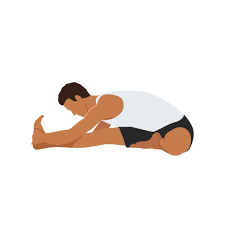
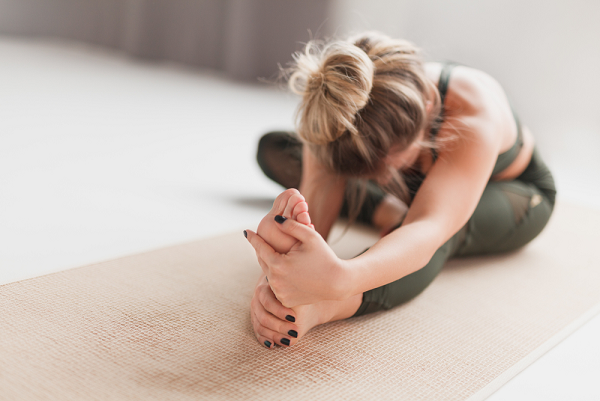
Janu Sirsasana is a seated asana and is a part of Ashtanga Yoga. It is a Sanskrit word where “Janu” means knee, “Sirsa” means head, and “asana” means posture. While performing this asana, your head touches your knee, which is why it is also called Head-to-Knee Pose, Head on Knee Pose, or Head on Knee Forward Bend Pose. Although it is often compared to Sirsasana, it is entirely different.
Beginners can engage in this activity without any prior experience as a professional yogi or sportsperson. This pose re-energizes the body while alleviating anxiety, providing a calming effect. Practicing it early in the morning can boost your energy for the rest of the day.
Benefits of Janu Sirsasana (Head to Knee Pose)
There are plenty of benefits of the head-to-knee pose. Lets us discuss some common janu sirsasana benefits:
- Calm Your Brain and Relieve Stress: Practicing this pose can calm your brain and relieve stress. It reduces anxiety levels and promotes well-being with a deep sense of calmness.
- Stimulates Organs: This pose stimulates the kidneys and liver by placing pressure on body organs using acupressure therapy. It benefits organs like the stomach, uterus, pancreas, kidney, and spleen.
- Improves Digestion: The pose improves your digestive system by strengthening your lower abdomen, boosting immunity, and speeding up metabolism.
- Stretches Major Muscles: It stretches the shoulders, hamstrings, groin, and back muscles, reducing stiffness and enhancing flexibility.
- Alleviates Insomnia, High Blood Pressure, and Sinusitis: This pose helps open up blocked energy channels, controlling high blood pressure, treating insomnia, and relieving sinusitis.
- Supports Pregnancy: It strengthens the back muscles during pregnancy, stretches the back and gluteal muscles, and relieves leg fatigue.
- Eases Menstrual Discomfort: Practicing this pose before your menstrual cycle can ease the process and reduce pain.
- Benefits Runners: Runners can use this pose to warm up and cool down, stretching their legs and enhancing performance.
- Harmonizes the Body: The stretch on both sides of the body balances the human body, reduces sciatica, and encourages even blood flow in the nerves.
Read More – Sirsasana (Headstand) – Top 10 health benefits
How to Perform Janu Sirsasana
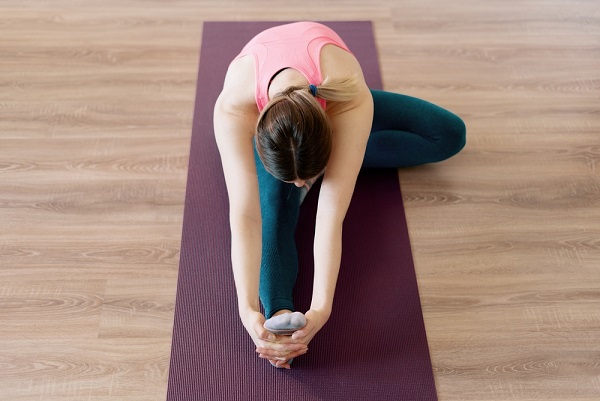
Steps to perform Janu Sirasana Pose:
- Sit with a straight back on the floor.
- Stretch your right leg out and bend the left knee, placing the left foot’s bottom on the inner part of the right thigh.
- Ensure your navel and chest align with the right leg.
- Support your body with your hands by placing them beside your hips.
- Take a deep breath and extend the torso and belly to the top of your head.
- Stretch your arms up, bend down, and try to reach your toes or ankles. Don’t overstretch if it becomes difficult.
- Stay in the position and breathe.
- Take a deep breath and gently release. Repeat with the left leg stretched out.
Contraindications of the Janu Sirsasana
- Those suffering from asthma and diarrhea should avoid this Asana.
- People with lower back injury or lumbar disc herniation should avoid the pose.
- In case of knee injury, a blanket can be used as support.
Yoga is a perfect exercise that encompasses physical, mental, and spiritual health. It enhances clarity, body movements, flexibility, and a peaceful state of mind. With the janu shirshasana pose, let your stretches calm your body and mind.
To learn more about these wonderful yoga asanas in further detail, explore our Yoga Teacher Training in India.
Read More – Eka Pada Sirasana (One leg behind head pose) – Top 7 health benefits
Conclusion
Janu Sirsasana offers a multitude of benefits for both the body and mind. This head-to-knee pose enhances flexibility, improves digestion, alleviates stress, and supports overall well-being. Whether you are a beginner or an experienced yogi, incorporating this asana into your daily routine can lead to significant health improvements. For more in-depth training and to deepen your practice, consider enrolling in our 200 hour Yoga Teacher Training in Kerala, 300 hour Yoga Teacher Training in Kerala, or 500 hour Yoga Teacher Training in Kerala.
FAQs
Q1. What is Janu Sirsasana?
Ans: It is a seated forward-bend yoga pose where one leg is straight, the other is bent, and you gently fold your body toward the straight leg.
Q2. What are the benefits of Janu Sirsasana?
Ans: It stretches the back, hamstrings, hips, and shoulders. It also helps improve digestion, relax the mind, and reduce stress.
Q3. Is Janu Sirsasana safe for beginners?
Ans: Yes, beginners can do it with proper guidance. Using props like a folded blanket or yoga strap makes the pose easier and safer.
Q4. How long should I hold Janu Sirsasana?
Ans: You can hold the pose for 20–40 seconds while breathing slowly. With practice, you can increase the duration.
Q5. Who should avoid this pose?
Ans: People with severe knee, hip, or lower-back injuries should avoid the pose or practice only with professional guidance.

MEDITATION, INSPIRATIONAL AND SPIRITUAL GUIDE
Yogi Gangesha Chaitanya is a master of Yoga Philosophy, Meditation, Pranayama, and Spiritual Guidance, trained under Swami Rama and renowned institutions like the Himalayan Tradition and Sri Aurobindo Ashram. With expertise in Kundalini Yoga and meditation, he mentors students in 200-hour and 300-hour Yoga Teacher Training programs, guiding them toward inner awareness, spiritual growth, and a deeper understanding of yoga.
View Instagram Profile

- Solar Plexus Chakra: What It Does, Where It Is, and How to Balance It?

- Om Shanti Mantra: Meaning, History & Its Deep Connection With Yoga
- Ujjayi Pranayama: Steps, Benefits & How to Practice

- Is 200 Hour Yoga Teacher Training Course Enough to Build a Successful Teaching Career?

- What Is Neti Kriya? Types, Benefits, and How to Practice It Safely