 +91 9131509957
  info@rishikulyogshala.org



5 Excellent Pranayama Breathing Exercises (Techniques)
If you find yourself stressed, anxious, or experiencing any negativity, take a moment to breathe deeply. Long, smooth inhalations and exhalations offer numerous physical and psychological benefits, such as slowing an aggravated heart rate and activating the parasympathetic nervous system, which helps the body and mind to rest and manage stress effectively.
5 Excellent Pranayama Breathing Techniques
Each breath you take is a chance to release tension, allow prana to flow through you, and develop compassion and health. Here are five excellent pranayama breathing techniques to help you relax and bring calm and wellness to your life.
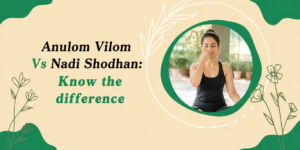
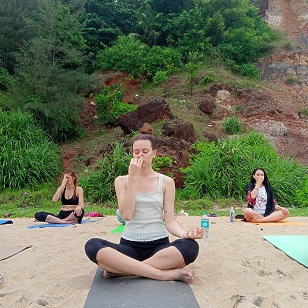
1. Alternate Nostril Breathing (Anulom-Vilom/Nadi Shodhana)
Alternate nostril breathing is a great way to start the day, as it clears and calms the mind. A few minutes of this practice can make you feel balanced and focused.
How to perform Anulom-Vilom:
- Sit tall in Easy Pose (Sukhasana) or on a chair. Relax your face and shoulders.
- For the hand mudra, close the index and middle finger to touch the palm.
- Lightly press your right thumb to close your right nostril.
- Breathe in through the left nostril, count the breaths taken in, and hold for four seconds.
- Close the left nostril with your ring finger and release the thumb from the right nostril. Exhale through the right nostril.
- Inhale through the right nostril, retain the breath, and exhale through the left. This completes one cycle.
Also Read: The Power of Anulom Vilom Pranayama in Modern Living
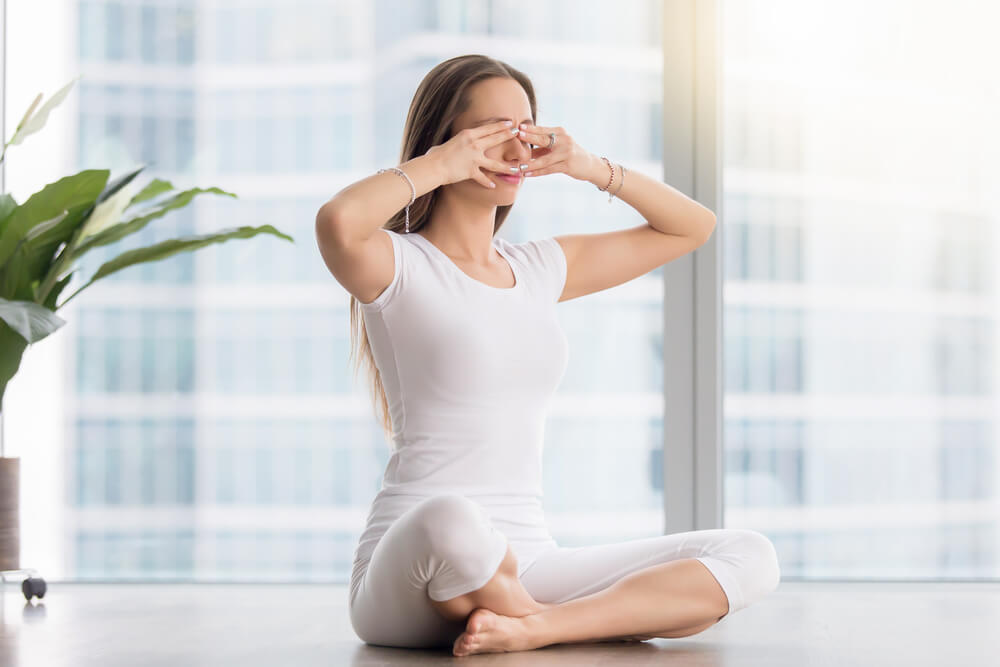
2. Bumble Bee Breathing (Bhramari Pranayama)
Bumblebee breathing or Bhramari Pranayama is excellent for tranquillizing the mind and inspiring creativity. It is one of the best techniques for instantly relieving agitation, frustration, and anger.
Steps of practicing Bhramari Pranayama:
- Choose a spacious and comfortable place. Sit on a yoga mat and cross your legs at the shins.
- Use your fingertips to cover your eyelids and thumbs to close your ears.
- Inhale deeply through the nose and, as you exhale, make a long, slow humming sound.
- Let the humming sound reverberate in your head for a calming effect. Repeat 3-4 times, focusing on your third eye.
Also Read: Top 5 Health Benefits of Bhramari Pranayama
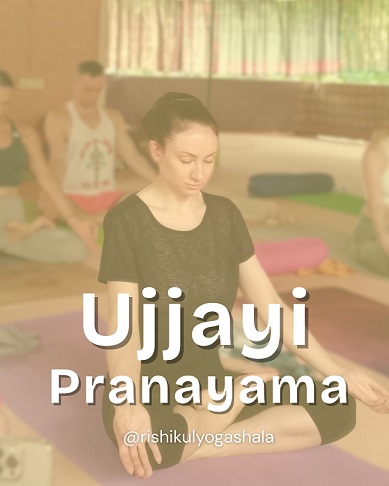
3. Victorious or Ocean Breathing (Ujjayi Pranayama)
Ocean breath or Ujjayi Pranayama, a simple and effective technique, is used for connecting yoga postures. Its effects are calming yet energising for the whole body, mind, and spirit.
Steps of practicing Ujjayi Pranayama:
- Sit in a relaxed position. Take deep, slow, and active inhalations, and let the exhalations out naturally.
- Softly whisper the ‘ahh’ sound every time you exhale.
- Close your eyes and feel how your breath mimics the sound of the ocean.
- Ensure you completely fill your lungs during inhalations and release all the air during exhalations.
Also Read: Ujjayi Pranayama: Steps, Benefits & How to Practice
4. Breath of Fire (Kapalbhati Pranayama)
Breath of Fire, also known as Skull-Shining Breathing and Kapalbhati Pranayama, is a cleansing technique that invigorates the mind and helps build inner core strength.
Steps of practicing Kapalbhati Pranayama:
- Sit up tall and lengthen the space between the navel and the heart.
- Breathe in and out through the nose. Draw your abdomen in during exhalation and out during inhalation.
- Make your breathing loud and quick, equalizing the strength and length of your inhales and exhales.
- Avoid this practice if you have vertigo, high blood pressure, or if you are pregnant.
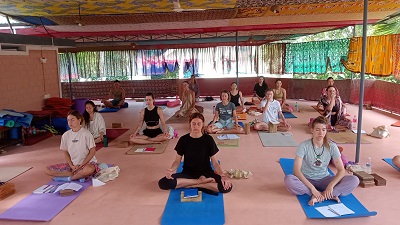
Read More- Kapalbhati Pranayama – Top 7 Excellent Health Benefits
5. Bellows Breathing (Bhastrika Pranayama)
Bellows breathing or Bhastrika Pranayama is an energetic technique suitable for combating sluggish feelings. It aids in weight loss, powering up the digestive system, and boosting metabolism.
Steps of practicing Bhastrika Pranayama:
- Practice Bhastrika pranayama techniques in a seated position.
- Breathe in, filling up the lungs, and breathe out through the nose.
- Keep yourself relaxed during the practice of bellows breathing.
By incorporating these five pranayama breathing exercises into your routine, you can relax and refresh yourself in stressful and uneasy situations.
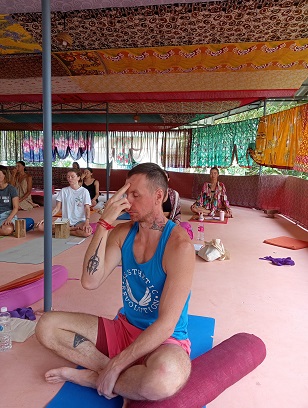
Read More – Bhastrika Pranayama – Top 7 Health Benefits
Conclusion
Pranayama is a powerful practice that helps bring balance to both the body and mind. These five breathing techniques are easy to learn and can be practiced by beginners as well as experienced yogis. With regular practice, pranayama can help reduce stress, improve focus, support better breathing, and increase overall energy levels. Even a few minutes of conscious breathing each day can create a sense of calm and inner awareness.
It is important to practice pranayama with proper guidance to gain the full benefits and avoid mistakes. When practiced correctly, these techniques support physical health, mental clarity, and emotional stability.
At Rishikul Yogshala, these pranayama techniques are explained in much more detail during the 200 Hour Yoga Teacher Training in India, where students learn correct methods, benefits, and traditional yogic understanding under experienced teachers.
Frequently Asked Questions (FAQs)
Q1. What is Pranayama?
Ans. Pranayama is a yogic breathing practice that helps control and regulate the breath. It supports physical health, mental clarity, and emotional balance.
Q2. Can beginners practice pranayama?
Ans. Yes, beginners can practice pranayama. It is best to start with basic techniques and practice under proper guidance.
Q3. How long should I practice pranayama daily?
Ans. You can start with 5–10 minutes daily. As your practice improves, you may slowly increase the duration.
Q4. What is the best time to practice pranayama?
Ans. Early morning on an empty stomach is the best time. It can also be practiced in the evening, at least 3–4 hours after meals.
Q5. Are there any precautions while practicing pranayama?
Ans. Yes. Avoid forceful breathing, practice gently, and stop if you feel dizzy. Learning from a trained teacher is always recommended.
Last Updated On: 15-12-2025
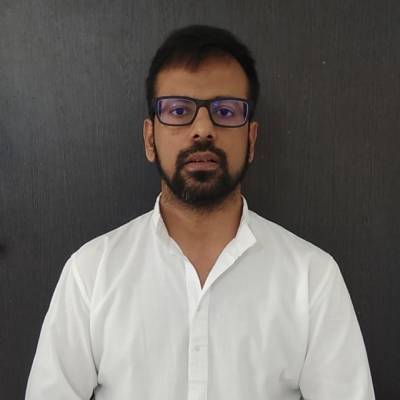
Lead Teacher in Yoga Philosophy, Pranayama, Meditation, Kundalini and Therapeutic Applications of Yoga
Born into a traditional spiritual home, Krishna spent over a decade climbing the corporate ladder at Capgemini and Morgan Stanley worldwide; before quitting them to explore the purpose of life. He set forth on a spiritual quest, Learning and Experiencing Yoga with Great Yogis and Spiritual Masters of the Modern World. Krishna's teachings comprises of the ancient practices of yoga through modern scientific reasoning. He specializes in Yoga Philosophy, Pranayama, Meditation, Kundalini and Therapeutic Applications of Yoga. Connect with your true nature and experience the mystical dimensions of yoga in conversation with Krishna.
View Instagram Profile View Linkedin Profile