 +91 9131509957
  info@rishikulyogshala.org




Bhastrika Pranayama – Top 7 Health Benefits
Explore the transformative power of Yoga and its boundary-less health benefits with Bhastrika Pranayama. This ancient breathing technique is essential for cleansing toxins from the body and enhancing overall well-being. Yoga is not just a choice; it chooses you! It begins with a desire to become a better version of yourself. Yoga is a journey towards improvement, sustainable development, and enlightenment. It has evolved from ancient caves to modern urban environments as an age-old practice.
What is Bhastrika Pranayama?
Bhastrika Pranayama is a Sanskrit term meaning “bellows breath.” This technique involves forceful inhalation and exhalation, much like a blacksmith’s bellows. It effectively clears the airways, detoxifies the body, and helps alleviate various heart and lung issues.
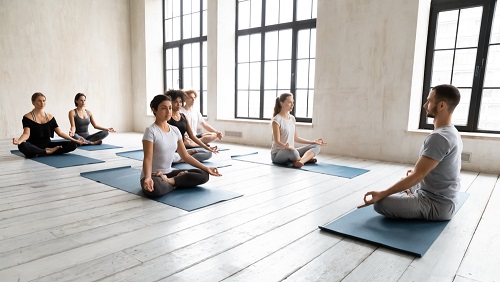
Also Read : Learn More about Yoga Pranayama and Its Applications
Bhastrika Pranayama vs. Kapalbhati
Although similar to Kapalbhati, Bellows breathing has distinct characteristics:
- Kapalbhati focuses primarily on the abdominal area and involves stomach-enforced exhalation.
- Bhastrika Pranayama engages the chest and lungs and is often practiced after Kapalbhati to maintain momentum. Unlike Kapalbhati, it involves both forced inhalation and exhalation.
Read More: Kapalbhati Pranayama – Top 7 Excellent Health Benefits
Steps to Practice Bhastrika Pranayama
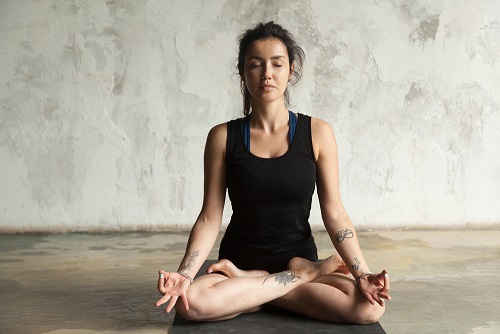
- Find a Comfortable Position: Sit cross-legged on the ground in Sukhasana or Padmasana.
- Inhale Deeply: Focus on filling your lungs with clean air while boosting your positive energy levels.
- Exhale Forcefully: Imagine you’re expelling dirt and toxins from your lungs.
- Continue for 5 Minutes: Gradually increase the duration as you become more comfortable with the practice.
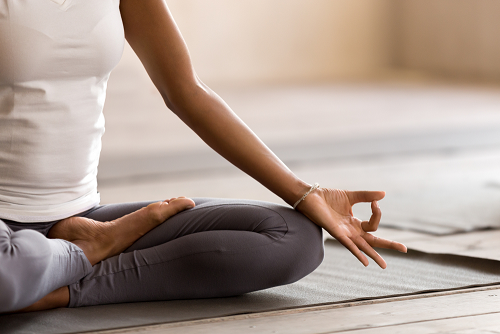
Top 7 Health Benefits of Bhastrika Pranayama (Bhastrika Pranayama Benefits) (भस्त्रिका के फायदे)
There are many advantages of bhastrika pranayama, let’s discuss some top benefits.
- Healthy Mind and Body: Bellows breathing revitalizes your brain and promotes mental clarity, focus, and a peaceful state of mind.
- Improves Blood Circulation: It regulates blood pressure and enhances overall circulation, contributing to better heart health.
- Detoxifies Your Lungs: Ideal for smokers and those living in polluted environments, this practice helps cleanse the lungs and reduces dependency on medical treatments.
- Strengthens Immunity: Stimulates metabolism boosts appetite, aids digestion, and enhances overall immunity.
- Neurological Balance: It helps relieve stress, anxiety, migraines, and depression, improving social behaviour and personal growth.
- Cures Cold and Flu: Supports respiratory health by clearing infections and revitalising the airways.
- Helps Treat Fibrosis: Assists in balancing bodily functions and treating fibrosis through deep breathing exercises.
Conclusion
Unlock your potential and embrace the transformative benefits of Bhastrika Pranayama. Whether you’re interested in improving your health or expanding your Yoga practice, integrating this technique into your daily routine can lead to profound changes. For those seeking to deepen their Yoga journey, consider enrolling in the Best 200 Hour Yoga Teacher Training in India, 300 Hour Yoga Teacher Training in India, or 500 Hour Yoga Teacher Training In India. Explore additional rejuvenating practices with our Ayurveda Retreat in India and Yoga Retreat in India.
FAQ’s
Q1. What exactly is Bhastrika Pranayama?
Ans. Bhastrika Pranayama, also known as “bellows breath,” involves forceful inhalations and exhalations in a rapid rhythm, energising the body and clearing the breathing pathways.
Q2. What are the main benefits of practising Bhastrika?
Ans. It boosts lung capacity, accelerates metabolism, enhances circulation, clears toxins, stimulates the nervous system and improves mental clarity.
Q3. When and how long should I practise Bhastrika?
Ans. Practice it early morning or when you’re alert, start with 1–2 rounds of 10–20 breaths, and gradually increase as you build comfort and capacity.
Q4. Who should avoid or be cautious while doing Bhastrika?
Ans. People with high or low blood pressure, heart disease, hernia, epilepsy, severe asthma, pregnancy (especially early stages) or after a heavy meal should avoid or practise under expert guidance.
Q5. What’s the difference between Bhastrika and other breathing exercises like Kapalabhati?
Ans. In Bhastrika both inhalation and exhalation are forceful; in Kapalabhati the emphasis is primarily on forceful exhalation with passive inhalation.
Last updated on: 10-11-2025

Lead Teacher in Yoga Philosophy, Pranayama, Meditation, Kundalini and Therapeutic Applications of Yoga
Born into a traditional spiritual home, Krishna spent over a decade climbing the corporate ladder at Capgemini and Morgan Stanley worldwide; before quitting them to explore the purpose of life. He set forth on a spiritual quest, Learning and Experiencing Yoga with Great Yogis and Spiritual Masters of the Modern World. Krishna's teachings comprises of the ancient practices of yoga through modern scientific reasoning. He specializes in Yoga Philosophy, Pranayama, Meditation, Kundalini and Therapeutic Applications of Yoga. Connect with your true nature and experience the mystical dimensions of yoga in conversation with Krishna.
View Instagram Profile View Linkedin Profile