 +91 9131509957
  info@rishikulyogshala.org




Top 5 Yoga for Lower Back Pain
Yoga for Lower Back Pain
The lower back is a sensitive area for many people. Common causes of lower back pain include weak core muscles and poor posture from prolonged sitting. Identifying the cause of the pain is crucial for effective treatment. If the pain is severe or persistent, consulting a doctor before starting any exercise is essential. For milder pain, certain yoga poses can offer relief and support.
Even if you don’t sit for extended periods, the lumbar region can still be affected, influencing your overall mood. Yoga can alleviate back pain and serve as preventative care for the future. By focusing on balance and steadiness, yoga helps your body develop defenses against back pain. Weak abdominal and pelvic muscles, as well as limited hip flexibility, contribute to back pain. Strengthening these muscles improves posture and reduces back strain.
Here are five effective yoga poses for lower back pain:
1. Child’s Pose (Balasana)
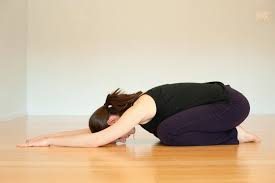
Benefits: Balasana helps relieve pressure from your lower back by elongating and aligning the spine, providing a soothing stretch.
Steps:
- Kneel on your mat with your knees hip-width apart and feet together behind you.
- Inhale, and as you exhale, lay your torso over your thighs.
- Lengthen your neck and spine by stretching your ribs away from your tailbone and the crown of your head away from your shoulders.
- Rest your forehead on the ground with your arms extended in front of you.
- Hold this position for one to three minutes.
Read More: Balasana (Child Pose) – Top 10 Incredible Health Benefits
2. Standing Forward Bend Pose (Uttanasana)
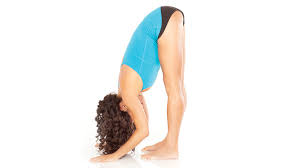
Benefits: Uttanasana enhances the flow of oxygen-rich blood to your brain, rejuvenates your mind, and relaxes your nerves. It stretches your hips, hamstrings, and calves, strengthens your thighs and knees, and alleviates stiffness in your spine, neck, and back.
Steps:
- Stand with your feet together and bend your knees slightly.
- Fold your torso over your legs from the hips, not the lower back.
- Place your hands next to your feet or on the ground in front of you.
- Inhale and extend your chest to stretch your spine.
- Exhale and gently press your legs straight.
- Extend your torso down without rounding your back and draw your shoulders down your back.
- This pose stimulates blood flow to your brain, stretches your hamstrings and lower back, and lengthens your spine.
Read More: Top 7 Health Benefits of Uttanasana (Standing Forward Bend Pose)
3. Cat-Cow Pose (Marjaryasana/Bitilasana)
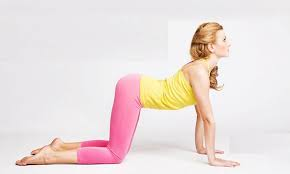
Benefits: This pose improves spine alignment, promotes mobility, and relieves lower back tension. It enhances coordinated movement, flexibility, and overall posture.
Steps:
- Kneel with your hands under your shoulders and your hips over your knees.
- Inhale slowly, and as you exhale, round your spine and drop your head toward the floor (“Cat” posture).
- Inhale and lift your head, chest, and tailbone while arching your back (“Cow” posture).
- Hold this position for one to three minutes.
4. Bow Pose (Dhanurasana)
Benefits: Dhanurasana strengthens your thighs, chest, and back, improves posture, stimulates the neck and abdomen, and increases lung capacity. It exercises your back muscles and hamstrings.
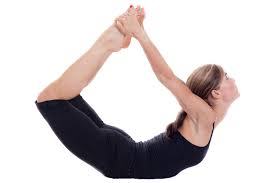
Steps:
- Lie on your stomach with your arms at your sides.
- Hold your ankles and lift your knees from your hips while also lifting your thighs.
- Hold the position for 5-10 breaths.
- Repeat a few times.
5. Locust Pose (Salabhasana)
Benefits: This pose is beneficial for alleviating lower back pain and indigestion. It tones the muscles of your thighs, upper thighs, and buttocks; extends your spine; enhances flexibility; and reduces stress.

Steps:
- Lie on your stomach with your arms at your sides, palms facing upward.
- Tilt your head backward, placing your chin on the floor.
- Inhale and create an arch with your head, shoulders, and legs facing the ceiling.
- Hold your breath while maintaining this position.
- Exhale and slowly lower your body to the floor to return to the starting position.
- Rest your head on one side to relax.
The above-mentioned yoga exercises for lower back pain can help relieve tension, improve flexibility, and strengthen your back.
Other Important Yoga For Back Pain
1. Trikonasana (Extended Triangle Pose)
This side-bending pose stretches internal organs, relieves sciatica pain, and enhances flexibility and digestion. It opens the hips, lengthens the spine, and stretches the thighs, chest, and shoulders.
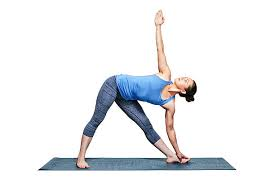
Steps:
- Extend your right foot out and position your left foot slightly inward, with feet 3.5 to 4 feet apart.
- Inhale and exhale while bending your hips to the right and reaching your right hand towards your right toe.
- Inhale, extend your left hand upward.
- Open your chest and shoulders, directing your attention upward.
Read More: Top 7 Health Benefits of Trikonasana (Triangle Pose)
2. Adho Mukha Svanasana (Downward Dog)
This inverted V pose strengthens the shoulders and upper arms while relieving back pain by stretching the leg muscles and easing sciatica.

Steps:
- Start on all fours with knees under hips and palms under shoulders.
- Spread your fingers wide and slide your palms forward.
- Inhale and lift your knees off the ground, sending your hips up towards the sky.
- Bend your knees slightly if necessary and press your tailbone higher.
- Relax your neck and let your head hang heavy.
3. Bhujangasana (The Cobra Pose)
This pose forms a gentle arc, providing calming effects to the lower back muscles and gradually easing pain.
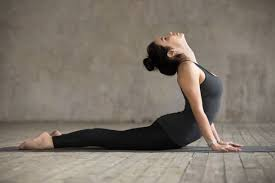
Steps:
- Lie on your belly with toes together.
- Place your palms in line with your shoulders.
- Inhale and lift your upper body while feeling a stretch in your abdomen and lower back.
- Continue breathing deeply and evenly in this posture.
Also Read: Top 10 Health Benefits of Bhujangasana (Cobra Pose)
4. Salamba Bhujangasana (The Sphinx Pose)
A gentler version of the Cobra pose, this posture stretches the front body and increases spine mobility, providing relief from back pain.
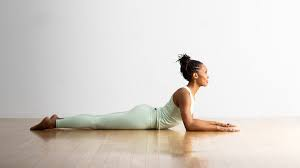
Steps:
- Lie on your belly and place your elbows under your shoulders.
- Support your upper body by pressing back with your arms and lifting from your crown.
- Breathe deeply and hold the posture for a few minutes.
5. Rajakapotasana (The Pigeon Pose)
This hip-opening pose stretches the thighs, hips, back, and psoas muscles, offering significant relief from back pain.

Steps:
- Begin in Downward Dog.
- Lift your right leg high and bring your right knee towards your chest, placing it on the floor.
- Extend your left leg straight behind you and bend forward, placing your forehead on the ground.
- Relax and breathe deeply, feeling the stretch in your lower back.
6. Ardha Matsyendrasana (The Half Lord of the Fishes)
A twisting pose that enhances spine flexibility, opens the chest, improves respiratory function, and alleviates back pain and sciatica.

Steps:
- Sit with your legs stretched out in front.
- Bend your left knee, crossing your left foot over your right leg, and place it in front of your right thigh.
- Bend your right knee and bring your right foot towards your left hip.
- Inhale and reach your left arm upward, then exhale and twist your torso to the right.
- Place your left elbow on your right knee and reach your left arm behind you.
Conclusion
Lower back pain is a common problem caused by long hours of sitting, poor posture, or daily physical strain. Yoga offers a natural and gentle way to relieve pain while improving flexibility, strength, and spinal support. The yoga poses shared in this guide help relax tight muscles, strengthen the lower back, and support better posture when practiced regularly.
With slow movements, proper breathing, and consistency, yoga can bring long-term relief and improve overall body awareness. For those who want to deepen their practice and learn yoga in a structured way, 200 hour yoga teacher training in India and 300 hour yoga teacher training in India at Rishikul Yogshala offer traditional knowledge, practical training, and a strong foundation for safe and mindful practice. These programs support both personal healing and long-term well-being through yoga.
Last Updated On: 07-01-2026

Lead Teacher in Yoga Philosophy, Pranayama, Meditation, Kundalini and Therapeutic Applications of Yoga
Born into a traditional spiritual home, Krishna spent over a decade climbing the corporate ladder at Capgemini and Morgan Stanley worldwide; before quitting them to explore the purpose of life. He set forth on a spiritual quest, Learning and Experiencing Yoga with Great Yogis and Spiritual Masters of the Modern World. Krishna's teachings comprises of the ancient practices of yoga through modern scientific reasoning. He specializes in Yoga Philosophy, Pranayama, Meditation, Kundalini and Therapeutic Applications of Yoga. Connect with your true nature and experience the mystical dimensions of yoga in conversation with Krishna.
View Instagram Profile View Linkedin Profile