 +91 9131509957
  info@rishikulyogshala.org




Effective Yoga Poses to Correct Bad Posture and Improve Alignment
Eight Effective Yoga Poses To Help You Achieve Better Posture And Alignment.
Having good posture means more than just standing up straight. It means supporting your body with strength, awareness, and careful alignment. Yoga is a whole-body way to bring your body back into balance when your daily habits weaken your spine and tighten your shoulders. By moving on purpose, you can change your posture from the inside out, making every part of your body more stable, open, and comfortable.
This guide will show you eight yoga poses to improve your posture and overall alignment. These poses will help you become more aware of your body and make long-term changes. They will also strengthen your core and back, open your chest, and lengthen your spine. These poses will help you build a healthier, more aligned foundation, no matter how long you’ve been doing yoga. Do them every day, and pay attention to how your breathing, moving, and posture change over time.

In today’s world, where many people spend hours sitting at desks or staring at screens, poor posture and misalignment have become common issues. Bad posture can lead to a variety of problems, including back pain, neck strain, and even decreased lung capacity. Effective Yoga Poses offers a holistic approach to correcting posture and improving alignment, helping you stand taller, breathe better, and feel more balanced.
1. Mountain Pose (Tadasana)
Benefits of the Mountain Pose
- Promotes proper alignment
- Strengthens the legs, core, and back
- Enhances body awareness
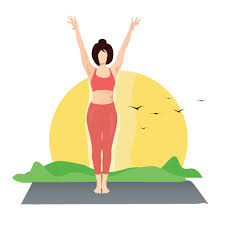
How to Perform
- Stand with your feet together or hip-width apart.
- Distribute your weight evenly across both feet.
- Engage your thigh muscles and lift your kneecaps.
- Lengthen your spine by lifting your chest and rolling your shoulders back and down.
- Keep your arms at your sides with palms facing forward.
- Hold the pose for several breaths, focusing on maintaining alignment.
Read More: Tadasana – Top 5 Excellent Health Benefits
2. Cat-Cow Pose (Marjaryasana-Bitilasana)
Benefits of the Cat-Cow Pose
- Improves flexibility in the spine
- Stretches the back and neck
- Enhances body awareness and coordination
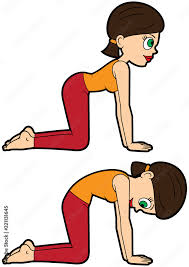
How to Perform
- Start on your hands and knees in a tabletop position.
- Inhale, arch your back (Cow Pose), lifting your sit bones and chest towards the ceiling while looking up.
- Exhale, round your spine (Cat Pose), tucking your chin to your chest and drawing your belly towards your spine.
- Continue to flow between Cat and Cow poses with your breath for several cycles.
3. Downward-Facing Dog (Adho Mukha Svanasana)
Benefits of the Downward-Facing Dog
- Lengthens the spine and stretches the hamstrings, calves, and shoulders
- Strengthens the arms and legs
- Encourages proper alignment of the spine
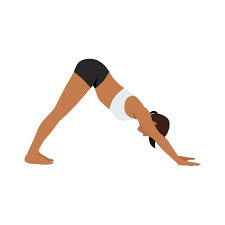
How to Perform
- Start on your hands and knees in a tabletop position.
- Tuck your toes under and lift your hips towards the ceiling, straightening your legs.
- Press your hands firmly into the mat, spreading your fingers wide.
- Keep your head between your arms and ears aligned with your upper arms.
- Hold the pose for several breaths, focusing on lengthening your spine and maintaining alignment.
4. Cobra Pose (Bhujangasana)
Benefits of the Cobra Pose
- Strengthens the back muscles
- Opens the chest and shoulders
- Improves spinal flexibility and alignment

How to Perform
- Lie face down on the mat with your legs extended and the tops of your feet pressing into the mat.
- Place your hands under your shoulders, elbows close to your body.
- Inhale, press into your hands, and lift your chest off the mat, keeping your elbows slightly bent.
- Draw your shoulder blades back and down, opening your chest.
- Hold the pose for several breaths, focusing on lengthening your spine and maintaining alignment.
Also Read: Top 10 Health Benefits of Bhujangasana (Cobra Pose)
5. Warrior II (Virabhadrasana II)
Benefits of the Warrior II
- Strengthens the legs, hips, and core
- Enhances body awareness and balance
- Encourages proper alignment of the spine and shoulders

How to Perform
- Start in a standing position and step your feet about 3-4 feet apart.
- Turn your right foot out 90 degrees and your left foot in slightly.
- Bend your right knee, aligning it over your right ankle.
- Extend your arms out to the sides at shoulder height, palms facing down.
- Gaze over your right hand and hold the pose for several breaths, focusing on maintaining alignment.
Also Read:- Top 10 Excellent Benefits of Virabhadrasana (Warrior Pose)
6. Bridge Pose (Setu Bandhasana)
Benefits of the Bridge Pose
- Strengthens the back, glutes, and hamstrings
- Opens the chest and shoulders
- Improves spinal flexibility and alignment
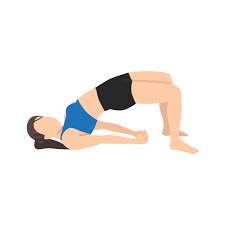
How to Perform
- Lie on your back with your knees bent and feet flat on the mat, hip-width apart.
- Place your arms alongside your body, palms facing down.
- Press into your feet and lift your hips towards the ceiling.
- Clasp your hands under your back and press your arms into the mat for support.
- Hold the pose for several breaths, focusing on lifting your chest and maintaining alignment.
Also Read: Bridge Pose (Setu Bandhasana) Benefits: Strengthen, Stretch, and Relax Your Body
7. Child’s Pose (Balasana)
Benefits of the Child’s Pose
- Gently stretch the back, hips, and thighs
- Promotes relaxation and stress relief
- Encourages proper spinal alignment

How to Perform
- Start on your hands and knees in a tabletop position.
- Bring your big toes together and sit back on your heels, separating your knees as wide as comfortable.
- Extend your arms forward, resting your forehead on the mat.
- Hold the pose for several breaths, focusing on relaxing your back and maintaining alignment.
Read More: Balasana (Child Pose) – Top 10 Incredible Health Benefits
8. Plank Pose (Phalakasana)
Benefits of the Plank Pose
- Strengthens the core, shoulders, and arms
- Promotes proper alignment of the spine
- Enhances overall body awareness

How to Perform
- Start in a tabletop position and extend your legs back, coming onto the balls of your feet.
- Align your wrists under your shoulders and engage your core.
- Keep your body in a straight line from head to heels.
- Hold the pose for several breaths, focusing on maintaining alignment and engaging your core.
Also Read: Plank Pose (Kumbhakasana) – Top 7 Health Benefits
Conclusion
Practicing these yoga poses regularly can make a big difference in your posture and overall body alignment. Yoga strengthens the muscles that support your spine, opens tight shoulders and hips, and helps you become more aware of how you move. Over time, this improves your balance, reduces discomfort from sitting too long, and makes everyday movements easier and more comfortable.
For those who want to learn more, a 200 Hour Yoga Teacher Training in India at Rishikul Yogshala can help you understand the proper alignment of each pose, how to modify them safely, and why they work. Whether your goal is to teach yoga or simply improve your own practice, this training gives you the knowledge and confidence to practice safely and effectively.
Remember, good posture comes with consistent practice and patience. By including these poses in your routine and paying attention to your body, you can feel taller, stronger, and more confident every day.

Last Updated On: 19-12-2025

Lead Teacher in Yoga Philosophy, Pranayama, Meditation, Kundalini and Therapeutic Applications of Yoga
Born into a traditional spiritual home, Krishna spent over a decade climbing the corporate ladder at Capgemini and Morgan Stanley worldwide; before quitting them to explore the purpose of life. He set forth on a spiritual quest, Learning and Experiencing Yoga with Great Yogis and Spiritual Masters of the Modern World. Krishna's teachings comprises of the ancient practices of yoga through modern scientific reasoning. He specializes in Yoga Philosophy, Pranayama, Meditation, Kundalini and Therapeutic Applications of Yoga. Connect with your true nature and experience the mystical dimensions of yoga in conversation with Krishna.
View Instagram Profile View Linkedin Profile