 +91 9131509957
 info@rishikulyogshala.org




Top 5 Yoga Postures For Better Digestion
Even simple tasks can make you tired when your stomach is hurting or feels heavy. Yoga helps your digestion or digestive system function better, easing that discomfort. As you read on, you will learn about five powerful poses that are good for your gut health because they get your organs moving, calm your nervous system, and improve circulation. Each pose helps your body naturally reset, making you feel lighter, more transparent, and more at ease.
Top 5 Yoga Postures for Better Gut Health (Digestion)
The modern lifestyle, characterized by a diet of fast food and a sedentary routine, often leads to digestive discomfort. Feelings of bloating, fullness, and unease can detract from your daily life. As the saying goes, “Bad digestion is the root of all evil,” and it’s clear why effective digestion is crucial for overall well-being. While medications might offer temporary relief, they can come with side effects. Yoga, however, provides a natural and sustainable approach to improving digestion. Yoga poses for digestion help stimulate the digestive system, relieve bloating, and improve overall digestive health.
Yoga isn’t just known for its calming effects and ability to restore bodily balance; it also significantly aids in digestion. Yoga postures stimulate internal organs and promote digestive health. Here, we’ll explore the top five yoga postures that enhance digestion, explaining how to perform them and their digestive benefits.
1. Mayurasana (Peacock Pose)
How to Do It:
- Begin on all fours, with your hands positioned so that your fingertips face you.
- Place your hands beneath your belly button and connect them up to your elbows.
- Lean slightly forward to engage your core, keeping your gaze forward.
- Lift your upper body while extending your legs straight back, entering a plank-like position.
- Balance on your hands and lift one leg at a time until both legs are in the air.
- Hold the position for a few breaths, based on your comfort level, then slowly return to a sitting position.

How It Helps:
Balancing in this pose momentarily halts blood flow to the digestive organs. When you release the pose, fresh blood and oxygen rush to these organs, promoting faster and more effective digestion.
Also Read – Top 5 Health Benefits of Feathered Peacock Pose(Pincha Mayurasana)
2. Savasana
How to Do It:
- Lie flat on your back with your legs apart and arms by your sides, palms facing upward.
- Close your eyes and focus on your breathing, progressively relaxing each part of your body.
- After 10-15 minutes of relaxation, gently sit up and open your eyes as you continue to breathe slowly.
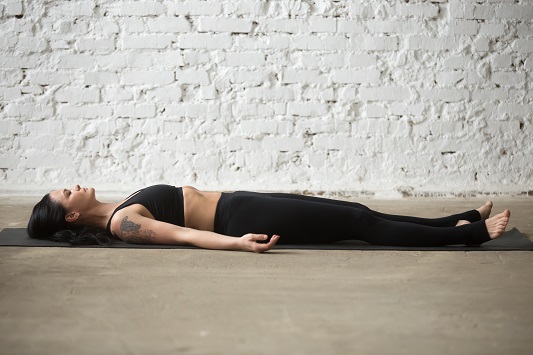
How It Helps:
By allowing your body to fully relax, Savasana facilitates internal healing. Improved blood flow during this pose supports the digestive process and helps with the efficient breakdown of food.
3. Pavanamuktasana
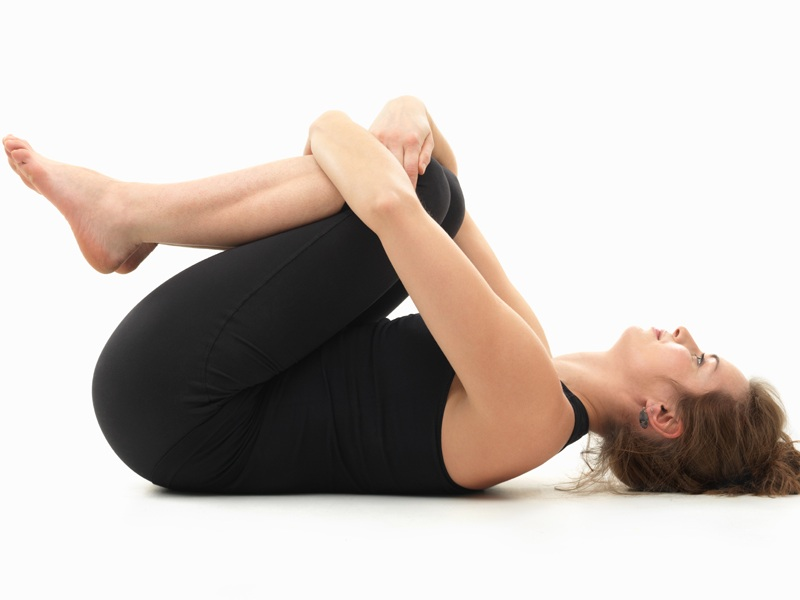
How to Do It:
- Lie on your back with arms and legs extended.
- While exhaling, bring one knee towards your chest and extend the other leg flat on the floor. Hold this position for one minute.
- Repeat with the other knee. After completing with both legs separately, bring both knees towards your chest, hold for a minute, then extend them back on the floor.
How It Helps:
This pose alleviates gastric discomfort by promoting the movement of trapped gas and easing abdominal tension, which can relieve discomfort and bloating.
4. Paschimottanasana
How to Do It:
- Sit with your legs stretched out in front of you.
- Inhale, raise your arms over your head, and stretch them.
- Bend forward, bringing your chin towards your toes, and stretch your arms towards your toes, staying within your comfort level.
- Place your head on your legs and hold this position for a few breaths.
- Release the pose and return to a sitting position.
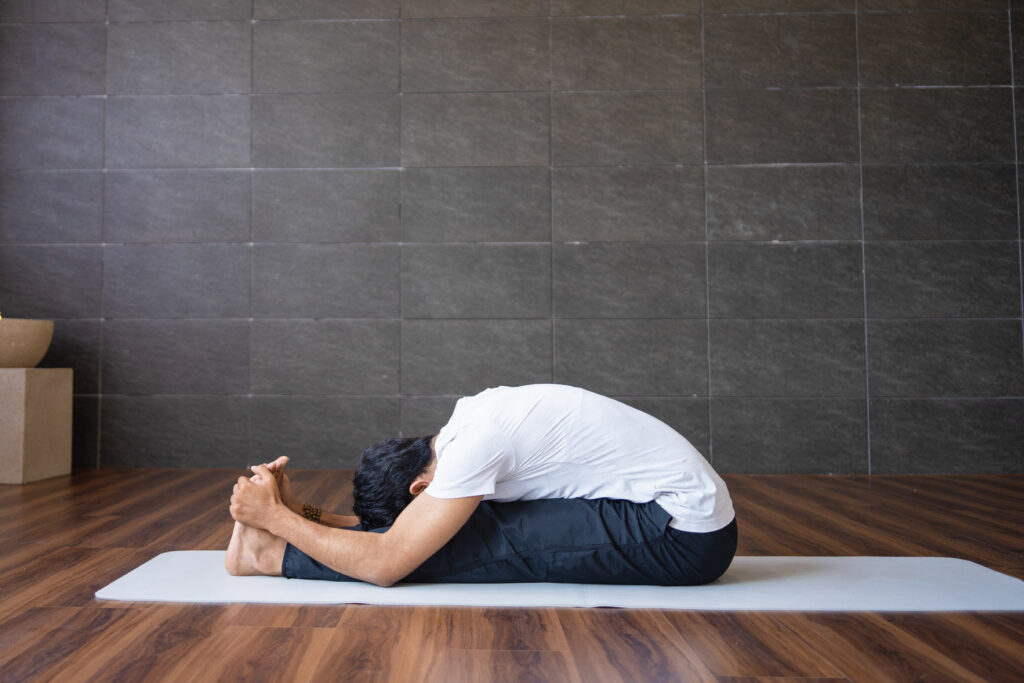
How It Helps:
Paschimottanasana compresses the digestive organs, halting blood flow momentarily. This compression, when released, facilitates a new, faster flow of blood and enhances digestive efficiency.
Read More: Top 7 Health Benefits of Paschimottanasana (Seated Forward Bend Pose)
5. Ardha Matsyendrasana
How to Do It:
- Sit with your spine straight and legs extended.
- Lift your left leg and place the heel next to your right hip.
- Place your right leg over your left knee.
- Twist your waist and neck, gazing over your right shoulder. Hold for a few seconds while breathing slowly.
- Repeat on the other side, then return to a sitting position.
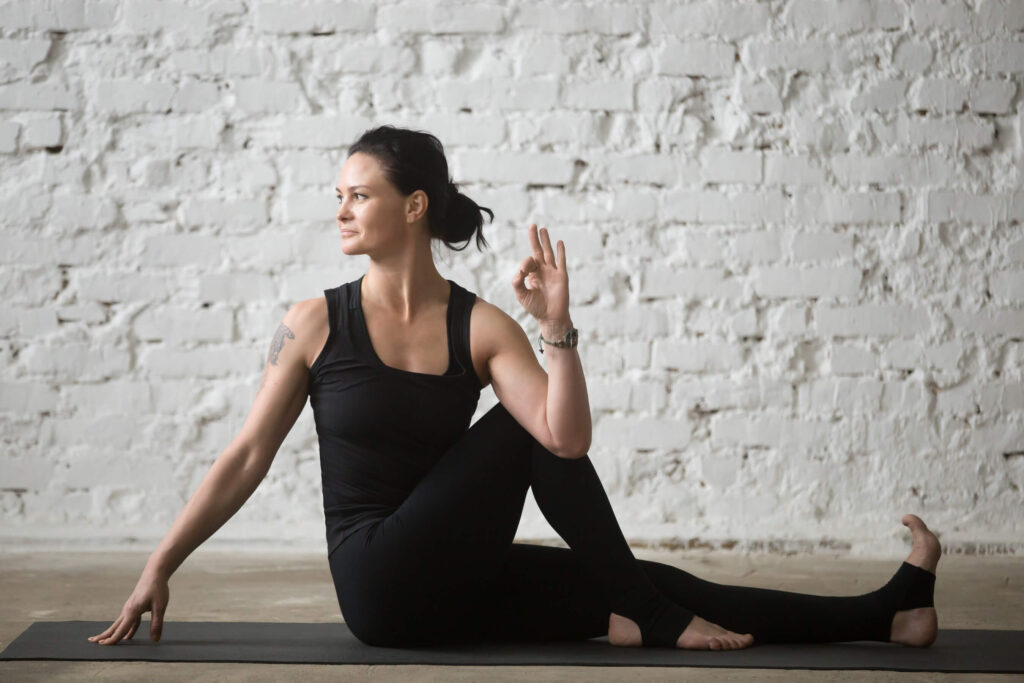
Twisting poses like Ardha Matsyendrasana stimulate digestive organs and promote the flow of fresh blood, ensuring smoother digestion and efficient breakdown of food.
Read More: 5 Excellent Health Benefits of Ardha Matsyendrasana (Half Spinal Twists Pose)
Conclusion
Improving digestion through yoga is simple and effective. Even a few minutes of daily practice with these five yoga postures can stimulate the digestive system, reduce bloating, and promote overall gut health. These poses also help calm the mind, improve circulation, and increase body awareness, making digestion smoother and more efficient. Regular practice not only supports physical well-being but also enhances energy levels and overall vitality.
For those looking to deepen their practice, programs like the 200 Hour Yoga Teacher Training in India by Rishikul Yogshala offer comprehensive guidance on yoga, asanas, pranayama, and holistic wellness. By learning under experienced instructors, you can integrate these digestive-friendly postures into a complete yoga routine and develop a stronger connection between body and mind. Incorporating these practices daily can be the first step toward a healthier lifestyle and a more balanced, mindful life.
FAQ
Q1. How often should I practice these yoga postures for better digestion?
Ans. Practising these postures for 5–10 minutes daily can improve digestion. Consistency is more important than duration.
Q2. Can beginners try these yoga postures?
Ans. Yes! All five postures are suitable for beginners. Start slowly and focus on breathing and proper alignment.
Q3. How long does it take to see results?
Ans. With regular practice, you may notice improvements in digestion and reduced bloating within 1–2 weeks.
Q4. Can yoga help with digestive issues like constipation or bloating?
Ans. Yes. These postures stimulate the digestive system, improve metabolism, and relieve constipation and bloating naturally.
Q5. Can these yoga postures be done on an empty stomach?
Ans. Yes, it’s recommended to practise yoga on an empty stomach or at least 2–3 hours after a meal for best results.

MEDITATION, INSPIRATIONAL AND SPIRITUAL GUIDE
Yogi Gangesha Chaitanya is a master of Yoga Philosophy, Meditation, Pranayama, and Spiritual Guidance, trained under Swami Rama and renowned institutions like the Himalayan Tradition and Sri Aurobindo Ashram. With expertise in Kundalini Yoga and meditation, he mentors students in 200-hour and 300-hour Yoga Teacher Training programs, guiding them toward inner awareness, spiritual growth, and a deeper understanding of yoga.
View Instagram Profile

- What Are Healing Frequencies? Understanding the Power of Sound and Vibration

- Solar Plexus Chakra: What It Does, Where It Is, and How to Balance It?

- Om Shanti Mantra: Meaning, History & Its Deep Connection With Yoga

- Ujjayi Pranayama: Steps, Benefits & How to Practice

- Is 200 Hour Yoga Teacher Training Course Enough to Build a Successful Teaching Career?