 +91-9258611240
 info@rishikulyogshala.org



Learn More about Yoga Pranayama and Its Applications
Imagine the way you breathe. When you inhale, you will take in fresh energy, and every exhale will release tension, stress, and hold onto your breath. Breath work forms the basis of the practice of Yoga Pranayama. The busy lives we live today, with all the pressures of modern society, have scattered our minds and left us exhausted; however, controlled breathing allows you to reset your body and mind back to their natural states.
Within this blog, you will explore the specific techniques of Pranayama and how these techniques improve your ability to breathe, increase your ability to think clearly, and increase your emotional well-being. You will also receive specific examples on harnessing your breath for greater focus, added vitality, and developing resilience in your daily life.
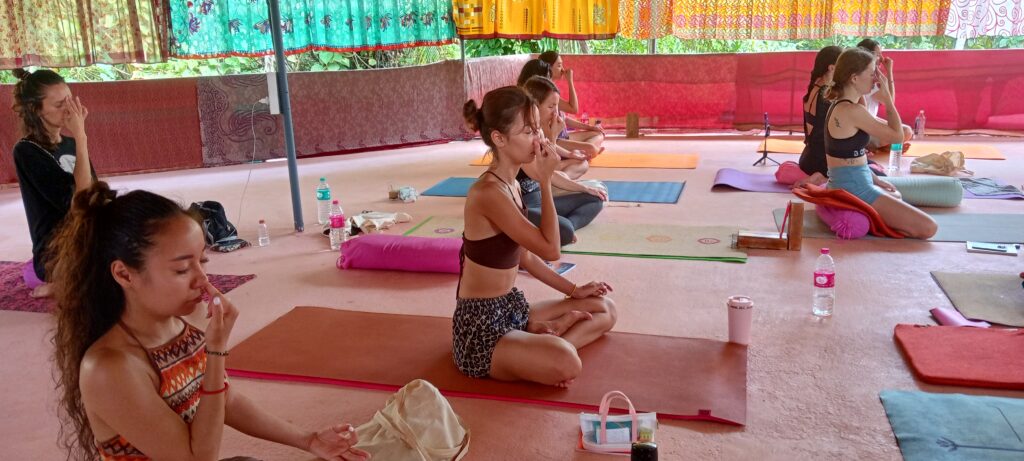
The Science and Benefits of Pranayama in Yoga
Yoga science emphasizes that ‘breath’ is the most significant source of energy in the human body. Known as ‘prana’ in Sanskrit, breath can be harnessed to benefit the mind, body, and soul. Yoga Pranayama combines specific yoga asanas with breathing exercises to regulate and control breath for mental, physical, and spiritual upliftment.
Some renowned yoga practitioners have thrived for years on the practice of Yoga Pranayama alone, demonstrating its profound impact. This unique science extends far beyond the ordinary, offering numerous benefits for overall well-being.
The Incredible Benefits of Pranayama
Yoga Pranayama offers extensive advantages, including:
- Anti-Aging Therapy: Acts as an excellent anti-aging treatment.
- Skin Glow and Fat Loss: Enhances oxygen flow, which improves skin glow and promotes fat loss.
- Positivity and Optimism: Boosts positivity and optimism.
- Digestion Regulation: Aids in regulating the digestion process.
- Respiratory System Improvement: Enhances lung capacity and improves respiratory function.
- Nervous System Activation: Activates the autonomic, sympathetic, and parasympathetic nervous systems, alleviating anxiety, stress, depression, and lethargy.
- Throat Disorders: Helps cure throat-related issues such as tonsils and phlegm.
Major Types of Pranayama Therapy and Their Applications
1. Bhastrika Pranayama
- Benefits: Effective for coronary diseases, respiratory issues, arthritis, obesity, depression, throat infections, gastric disorders, and neurological problems.
- How to Practice: Sit comfortably in Padmasana (lotus position). Take a deep breath, hold for a second, and exhale completely with a hissing sound. Repeat for 2-5 minutes.
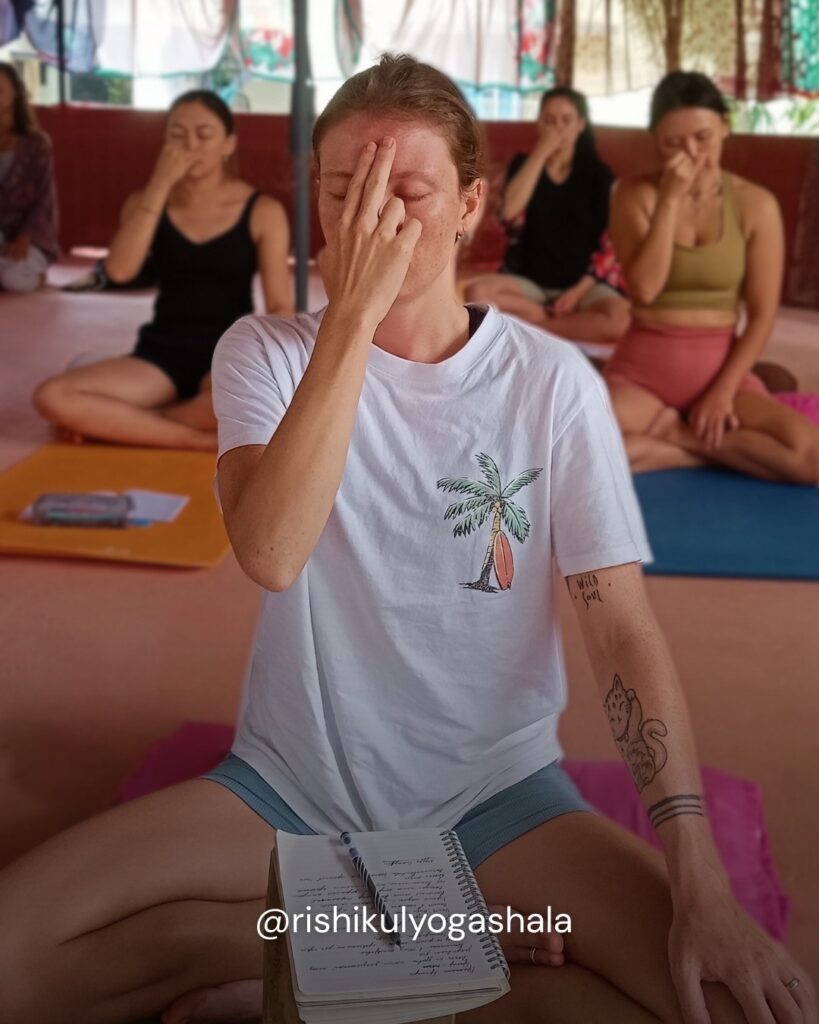
Also Read: Bhastrika Pranayama – Top 7 Health Benefits
2. Kapalbhati Pranayama
- Benefits: Enhances brain activity, cures digestive, respiratory, and renal disorders, combats obesity and breast cancer, treats sinus issues, constipation, diabetes, and more.
- How to Practice: Sit in Padmasana. Inhale deeply, pulling the stomach in. Exhale with a hissing sound. Repeat for 2-10 minutes at a steady pace.
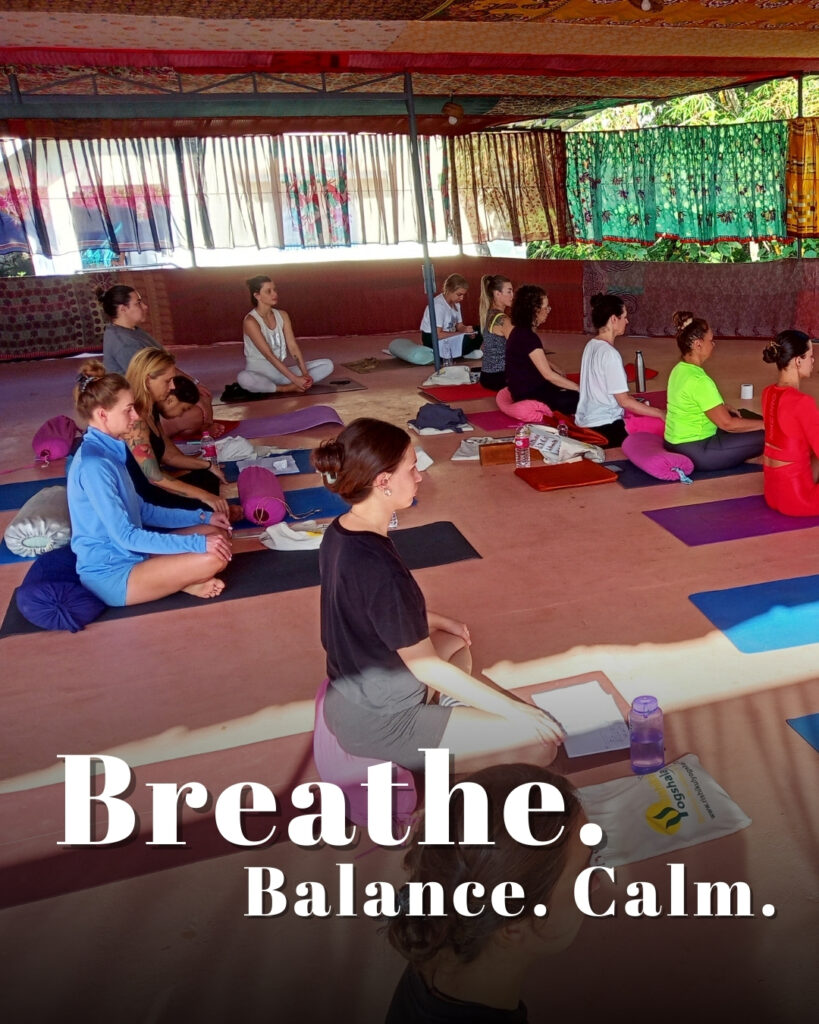
Also Read: Kapalbhati Pranayama – Top 7 Excellent Health Benefits
3. Bahya Pranayama
- Benefits: Remedies hernia, gastric problems, diabetes, prostate issues, and reproductive organ concerns.
- How to Practice: Sit in Padmasana or Siddhasana. Completely evacuate the lungs, hold the breath while applying all three bandhas (Jalandhar Bandha, Uddiyana Bandha, and Mulabandha), and hold for 5-15 seconds before exhaling. Repeat for 2-7 minutes.
4. Anulom Vilom Pranayama
- Benefits: Ideal for detoxifying the mind and body, alleviating coronary issues, strengthening the nervous system, improving concentration, achieving glowing skin, relieving stress, and addressing respiratory and gastric disorders.
- How to Practice: Sit comfortably, close your eyes. Press the right nostril with your thumb, inhale deeply through the left nostril. Close the left nostril with the forefinger and exhale through the right nostril. Repeat for 5-10 minutes.
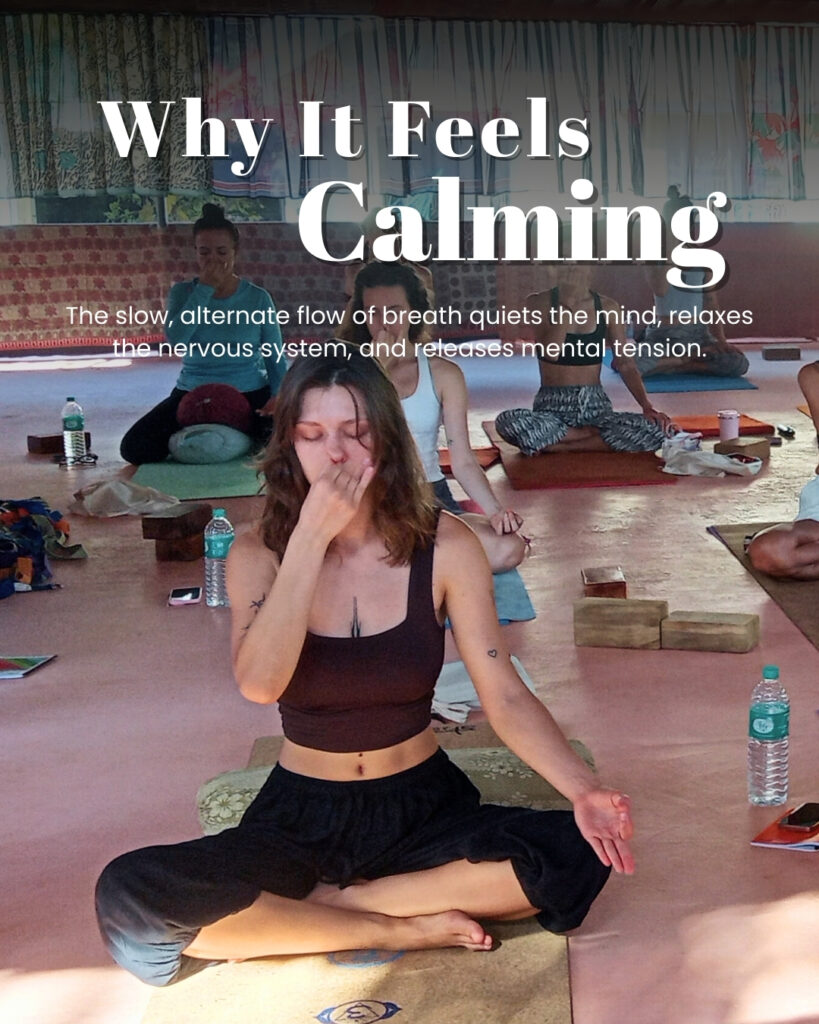
Also Read: The Power of Anulom Vilom Pranayama in Modern Living
Recommended Tips for Pranayama
- Timing: Perform Pranayama both in the morning and evening.
- Stomach Condition: Practice on an empty stomach, allowing at least five hours between eating and practice.
- Mindset: Approach Pranayama with a positive mindset for optimal benefits.
- Environment: Practice in a space with fresh air. Adding scented candles and earthy décor can enhance the experience.
- Guidance: Beginners are encouraged to join a Yoga Teacher Training Course or a Yoga Retreat to gain proper guidance.
Also Read – Yoga’s Healing Powers and Anti-Aging Properties
Conclusion
Incorporating Pranayama into your daily routine can profoundly impact your physical, mental, and spiritual health. This ancient practice not only helps regulate and improve various bodily functions but also contributes to overall well-being. Whether you’re seeking to enhance your yoga practice or address specific health issues, exploring Pranayama through a 200 Hour Yoga Teacher Training in India, 300 Hour Yoga Teacher Training in India, Ayurveda Retreat in India or Yoga Retreat in India can provide the guidance and depth needed to fully benefit from its transformative effects. Discover the power of breath and embrace a journey toward holistic wellness with Rishikul Yogshala.
MEDITATION, INSPIRATIONAL AND SPIRITUAL GUIDE
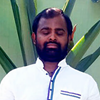
Yogi Gangesha Chaitanya is a master of Yoga Philosophy, Meditation, Pranayama, and Spiritual Guidance, trained under Swami Rama and renowned institutions like the Himalayan Tradition and Sri Aurobindo Ashram. With expertise in Kundalini Yoga and meditation, he mentors students in 200-hour and 300-hour Yoga Teacher Training programs, guiding them toward inner awareness, spiritual growth, and a deeper understanding of yoga.
View Instagram Profile

- Solar Plexus Chakra: What It Does, Where It Is, and How to Balance It?
- Om Shanti Mantra: Meaning, History & Its Deep Connection With Yoga
- Ujjayi Pranayama: Steps, Benefits & How to Practice

- Is 200 Hour Yoga Teacher Training Course Enough to Build a Successful Teaching Career?
- What Is Neti Kriya? Types, Benefits, and How to Practice It Safely