• Follow us On:
A Path to Becoming a Truly Confident Teacher Through our our 500 Hour Yoga Teacher Training in Goa

Best 500 hour Yoga TTC Course in Goa

∞∞

If yoga has become the compass for your life and you feel a calling to share it with others, our 500-hour Yoga Teacher Training in Goa is your next big step.

Make your next big career move with this globally recognized certification. Our 500-hour program is an intensive journey that merges our 200-hour and 300-hour YTTCs into one complete experience. We have designed this for the dedicated practitioner. This is perfect whether you want to start a professional teaching career or simply wish to dive deeper into the roots of your own practice.

The curriculum is deep and soul-stirring. You will master advanced asanas, pranayama, and different meditation styles. We also cover yoga philosophy, anatomy, and the precision of alignment. Our teachers are mentors who lead with heart. They ensure you are able to grasp all advanced concepts to the point you can teach someone.

Rishikul Yogshala is a home for seekers from every corner of the globe—from the UK and USA to Germany, Spain, South America, or even Australia. They come here for our traditional roots and authenticity. They seek the spiritually charged atmosphere we have nurtured over the years. Amidst the tropical beauty of Goa, you will gain practical skills and confidence to teach anywhere in the world. At the same time, you will sharpen your own intuition and strength.

To wrap up the journey, you will participate in a final evaluation. Once you pass, you will be awarded your YTTC completion certificate. This qualifies you for the Yoga Alliance–recognized 500-hour certification, which will open doors to global teaching opportunities.

Quick Enquiry for 500 Hour YTTC Goa

Let's Connect on WhatsApp

A Detailed Look at What We Teach in our 500 Hour Yoga Teacher Training in Goa

What Will You Learn in a 500 Hour Yoga Teacher Training in Goa?

∞∞

The 500-hour yoga teacher training is our most advanced course. It essentially bridges the gap between the foundational basics of the 200-hour level and the much more intricate, deep practices of the 300-hour program. One of the most important things you will learn is how to adapt yoga for everyone. We teach you alterations and options for all body types and different levels of experience. So no student under you feels left behind in your future classes.

  • Perfection in Asana — Hatha and Ashtanga Vinyasa Tackle challenging Hatha and Ashtanga Vinyasa sequences focusing on clever modifications and perfect alignment. Be it the Primary Series and Secondary Series in Ashtanga Vinyasa or the Foundational and Intermediate Hatha Poses — you attain perfection in them and enhance strength and stamina.
  • Pranayama and Breathwork
    • Pranayama as a way to increase the natural flow of energy within.
    • Breathwork for a clearer and steadier mind and body.
    • Learn to effortlessly weave breathwork into movement and meditation.
  • Meditation and Mindfulness
    • Various meditation techniques to sharpen concentration and inner awareness.
    • Mindfulness practices for reducing stress.
    • Staying in the present moment, both on and off the mat.
  • Anatomy and Physiology
    • Anatomy of a posture and how it affects the muscles, bones, and nervous system.
    • Learn how to tailor your instructions for beginners and advanced students.
    • Learn the skills to lead workshops, retreats, and private 1:1 sessions.
500 Hour Yoga Teacher Training in Goa at Rishikul Yogshala
  • Yoga Philosophy
    • Spend time with ancient texts like the Yoga Sutras and the wisdom of Ayurveda.
    • Understand the traditional philosophy that makes yoga so much more than just a physical exercise.
  • Special Yoga Practices
    • Learn how to use yoga as a form of therapy for pain and stress relief.
    • Restorative and Yin yoga sessions.
    • Practices that focus on the chakras and your internal energy.
  • Practical Teaching Experience
    • Get plenty of time to lead practice sessions and receive honest, helpful feedback.
    • Observe our experienced teachers at work and start understanding how to manage the “ebb and flow” of a professional yoga class.
  • Certification and Career Preparation
    • This course is certified by Yoga Alliance, meaning you will be ready to teach anywhere in the world.
    • We also make sure you leave with practical advice on how to build your own yoga business or become an online teacher.
What to Expect in your 50 Day Yogic Journey

Our 500 Hour Yoga Teacher Training Curriculum

∞∞

Our eight-week program is built on a simple idea. To be a great teacher, you have to truly live the practice first. During your two months in the tropical serenity of Goa, we help you transition from being a dedicated student into a mentor who leads with soul and confidence.

RYT 500 Syllabus

Detailed Syllabus of the 500 Hour Yoga Teacher Training in Goa

Classical & Traditional Practice of Hatha Yoga - (Foundational Series-Intermediate Series)

Part-1 - Foundational Series

  • What is Hatha yoga?
  • Surya Namaskar with mantra awareness
  • Sukshma Vyama (joints and glands exercise)
  • Standing series of asana
  • Kneeling series of asana
  • Sitting series of asana
  • Lying on the stomach series of Asana
  • Supine series of asana
  • Inversion series of asana
  • Asana benefits and its contraindications

List of Asana to Explore:

  • Pawanmuktasana Series 1
  • Pawanmuktasana Series 2
  • Pawanmuktasana Series 3
  • Surya Namaskar
  • Tadasana
  • Triyak Tadasana
  • Kati Chakrasana
  • Trikonasana
  • Utkatasana
  • Virabhadrasana 2
  • Vrikshasana
  • Parvatasana
  • Malasana
  • Garudasana
  • Baddha Konasana
  • Rajakapotasana
  • Bhujangasana
  • Urdhva Mukha Svanasana
  • Matsyasana
  • Setu Bandhasana
  • Ustrasana
  • Dhanurasana
  • Salabhasana
  • Gomukhasana
  • Balasana
  • Dandasana
  • Ardha Matsyendrasana
  • Sarpasana
  • Sirsasana
  • Halasana
  • Sarvangasana
  • Vajrasana
  • Adho Mukha Svanasana
  • Adho mukha vrksh asana
  • Pincha mayurasana
  • Hanuman asana
  • Eka Pada Setu Bandhasana
  • Vipritkarniasana
  • Mandukasana
  • Parivrtta Marjaryasana asana
  • Tiger posture
  • Uttanasana
  • Ananda balasana
  • Supta kapot asana
  • Ajnyaasana
  • Parsva sukhasana
  • Parvirta sukhasana

Part-2 - Intermediate Series

  • Hatha Yoga – Intermediate sequence
  • Chandra Namaskar (Moon salutation)
  • Advance Series Of Joints And Glands Exercise
  • Twisting Series Of Asana
  • Restorative asanas
  • Workshop on Inversion Asana

Asana classes according to Patanjali

List of asana to explore

  • Surya Namaskar
  • Chandra Namaskar
  • Tadasana
  • Triyak Tadasana
  • Kati Chakrasana
  • Trikonasana
  • Sarpasana
  • Shalabhasana
  • Dhanurasana
  • Paschimottanasana
  • Janu Sirshasana
  • Parivirta Janu Sirshasana
  • Sarvangasana
  • Sirshasana
  • Natarajasana
  • Naukasana
  • Mayurasana
  • Koormasana
  • Chakrasana
  • Hanumanasana
  • Agnistambhasana
  • Ek Pada Sirasana
  • Chaturanga Dandasana
  • Pincha Mayurasana
  • Adho Mukha Vrksasana
  • Bakasana
  • Ek Pada Bakasana
  • Parshva Bakasana
  • Eka Pada
  • Galavasana
  • Raja Kapotasana
  • Ustrasana
  • Anantasana
  • Parighasana
  • Mandukasana
  • Supta Padangusthasana
  • Setu Bandh Asana
  • Padma Mayurasana
  • Virbhadrasana 1
  • Virbhadrasana 2
  • Virbhadrasana 3
  • Ardhachandrasana
  • Porna salabhasana
  • Porna Natraj asana
  • Dwi Pada Viparita Dandasana
  • Virishikasana
  • Hanuman asana
  • Niralamb sirsasana
  • Uttana padasana
  • Adho mukha vrikshasana
  • Supta virasana
Ashtanga Vinyasa Yoga - Structure and Sequential Methods - (Primary and Intermediate Series)

Part-1 - Primary Series explanation

  • Surya Namaskar A
  • Surya Namaskar B
  • Padangusthasana
  • Padahastasana
  • Utthita Trikonasana
  • Parivrtta Trikonasana
  • Utthita Parsvakonasana
  • Parivrtta Parsvakonasana
  • Prasarita Padottanasana A, B, C & D
  • Parsvottanasana
  • Utthita Hasta Padangusthasana A, B, C & D
  • Ardha Baddha Padmottanasana
  • Utkatasana
  • Virabhadrasana A & B
  • Dandasana
  • Paschimottanasana A, B & C
  • Purvottanasana
  • Ardha Baddha Padma Paschimottanasana
  • Triang Mukhaikapada
  • Paschimottanasana
  • Janu Sirsasana A, B & C
  • Marichyasana A, B, C & D
  • Navasana
  • Bhujapidasana
  • Kurmasana
  • Supta Kurmasana
  • Garbha Pindasana
  • Kukkutasana
  • Baddha Konasana A, B & C
  • Upavistha Konasana A & B
  • Supta Konasana A & B
  • Supta Padangusthasana A, B & C
  • Ubhaya Padangusthasana A & B
  • Urdhva Mukha
  • Paschimottanasana
  • Setu Bandhasana
  • Urdhva Dhanurasana
  • Paschimottanasana
  • Salamba Sarvangasana
  • Halasana
  • Karnapidasana
  • Urdhva Padmasana
  • Pindasana
  • Matsyasana
  • Uttana Padasana
  • Sirsasana
  • Urdhva Dandasana
  • Yoga Mudra
  • Uttplutih
  • What is Vinyasa?
  • 9 Drishti in the Ashtanga series
  • Importance of Ujjai and Bandhas in series

Intense Primary Series Practice (Mysore and lead class)

  • Surya Namaskar A
  • Surya Namaskar B
  • Padangusthasana
  • Padahastasana
  • Utthita Trikonasana
  • Parivrtta Trikonasana
  • Utthita Parsvakonasana
  • Parivrtta Parsvakonasana
  • Prasarita Padottanasana A, B, C & D
  • Parsvottanasana
  • Utthita Hasta Padangusthasana A, B, C & D
  • Ardha Baddha Padmottanasana
  • Utkatasana
  • Virabhadrasana A & B
  • Dandasana
  • Paschimottanasana A, B & C
  • Purvottanasana
  • Ardha Baddha Padma Paschimottanasana
  • Triang Mukhaikapada
  • Paschimottanasana
  • Janu Sirsasana A, B & C
  • Marichyasana A, B, C & D
  • Navasana
  • Bhujapidasana
  • Kurmasana
  • Supta Kurmasana
  • Garbha Pindasana
  • Kukkutasana
  • Baddha Konasana A, B & C
  • Upavistha Konasana A & B
  • Supta Konasana A & B
  • Supta Padangusthasana A, B & C
  • Ubhaya Padangusthasana A & B
  • Urdhva Mukha
  • Paschimottanasana
  • Setu Bandhasana
  • Urdhva Dhanurasana
  • Paschimottanasana
  • Salamba Sarvangasana
  • Halasana
  • Karnapidasana
  • Urdhva Padmasana
  • Pindasana
  • Matsyasana
  • Uttana Padasana
  • Sirsasana
  • Urdhva Dandasana
  • Yoga Mudra

Part 2 - Introduction to the Intermediate Series

1. STANDING POSTURES

  • Samasthiti
  • Surya Namaskara (A & B)
  • Padangushtasana
  • Pada Hastasana
  • Utthita Trikonasana
  • Parivritta Trikonasana
  • Utthita Parshvakonasana
  • Parivritta Parshvakonasana
  • Prasarita Padottanasana (A, B, C & D)
  • Parshvottanasana
  • Utthita Hasta Padangusthasana A, B, C & D
  • Ardha Baddha Padmottanasana

2. INTERMEDIATE POSTURES

  • Pashasana
  • Krounchasana
  • Shalabhasana A, B
  • Bhekasana
  • Dhanurasana
  • Parsvadhanurasana
  • Dhanurasana
  • Ustrasana
  • Laghu Vajrasana
  • Kapotasana A & B
  • Supta Vajrasana
  • Bakasana A & B
  • Bharadvajasana
  • Ardha Matsyendraasana
  • Ekapada Sirsasana
  • Dwipada Sirsasana
  • Yoga nidrasana
  • Tittibhasana A, B, C
  • Pincha Mayurasana
  • Karandavasana
  • Mayurasana
  • Nakrasana
  • Vatayanasana
  • Parighasana
  • Gomukhasana A, B
  • Supta Urdhvapada Vajrasana
  • Mukta Hasta Sirsasana A, B, C
  • Baddha Hasta Sirsasana A, B, C, D

3. FINISHING POSES

  • Salamba Sarvangasana
  • Halasana
  • Karnapidasana
  • Urdhva Padmasana
  • Pindasana
  • Matsyasana
  • Uttana Padasana
  • Shirshasana
  • Urdhwadandasana
  • Yoga Mudra
  • Padmasana
  • Uth Pluthi (Tolasana)
  • Savasana
  • Vinyasa workshop
  • Guidelines for each asana
  • Why No Practice on Full & New Moon day
Yoga Philosophy & Its Unknown Realities - (Foundational Level – Advanced Level)

Part-1 - Foundational Level

  • What is Darshanam?
  • What is Yoga?
  • The five kosha (bodies)
  • The four faculties of mind–field
  • Five Stages of Mind -Field
  • The four foundational Pillars of life
  • Eight limbs of Yoga of Patanjali
  • What is waking state in Yogic Science?
  • What is the dreaming state in Yogic Science?
  • What is the Deep sleep state in Yogic Science?

Part-2 - Advanced Level

  • Study of yoga in connection with Bhagavat Geeta
  • Study of Karma Yoga, Bhakti Yoga, Raja Yoga, Janana Yoga
  • Study of Yoga in connection with the Geeta
  • Karma And Non-Attachment In Yogic Dimensions
  • Four Levels of Consciousness
  • Keys to Successful Living In Yogic Science
  • The State of 3 Gunas and its Impact on us
  • 6 Main Obstacles In The Path Of Yoga
  • Samadhi and Its Study
Meditation - (Foundational Level – Advanced Level)

Part-1 - Foundational Level

  • What is Meditation?
  • What is the difference between Dharana and Dhyana?
  • What are the types of Meditation?
  • Breath Awareness Meditation
  • Contemplative Walking Meditation
  • Mantra Awareness Meditation
  • Candle and Inner Light Meditation
  • Full Moon Meditation

Part-2 - Advanced Level

  • Obstacles In Meditation
  • Witnessing Meditation
  • Chakra Awareness Meditation
  • Root Mantra Awareness Meditation
  • Third Eye Meditation
  • 4 important meditative postures
  • Introduction of Ajapa Japa
Pranayama & its cleansing and expansions – Swara Yoga - (Foundational Level – Advanced Level)

Part-1 - Foundational Level

  • Chest breathing v/s diaphragmatic breathing
  • What do Prana and Pranayama mean?
  • Types of Pranayama practices
  • What is Nadi?
  • What are Ida and Pingala?
  • Seven main practices of Pranayama
  • Kapalbhati Pranayama
  • Sheetali Pranayama
  • Bhastrika Pranayama
  • Sheetakari Pranayama
  • Ujjayi Pranayama
  • Brahmari Pranayama
  • Nadi Shodhana Pranayama

Part-2 - Advanced Level

  • Introduction of bandhas and their application in Pranayama
  • Intensity of Kumbhaka ( Breath Retention )
  • Importance Of Sushumna
  • Nature And Activities Of Ida, Pingala & Sushumna
Bandhas & Its Expansion of Energy - (Foundational Level – Advanced Level)

Part-1 - Foundational Level - In Connection with Pranayam

  • Chest breathing v/s diaphragmatic breathings
  • What are Prana and Pranayama mean?
  • Types of Pranayama practices
  • What is Nadi?
  • What are Ida and Pingala?

Seven main practices of Pranayama with Bandhas

  • Kapalbhati Pranayama
  • Sheetali Pranayama
  • Bhastrika Pranayama
  • Sheetakari Pranayama
  • Ujjayi Pranayama
  • Brahmari Pranayama
  • Nadi Shodhana Pranayama

Part-2 - Advanced Level

  • Introduction of Bandhas and its application in Pranayama
  • Importance of Sushumna
  • Nature and activities of Ida, Pingala and Sushumna
  • Practicum of four Bandhas - According to Hatha Yoga Text
    • Mula Bandha
    • Uddiyana Bandha
    • Jalandhara Bandha
    • Maha Bandha
Yoga Anatomy & Its Safety and Precautions - (Foundational Level – Advanced Level)

Part-1 - Foundational Level

  • What is Yogic Anatomy and physiology ?
  • Understanding Anatomy in respect to Yoga
  • Introduction of 10 major System in the Human Body

Introduction to Skeletal System and its Significance

  • Bones & Remodeling of Bones in Human Body
  • How the Yogic Practices can help to improve the bone health
  • Anatomy of Joint
  • Types of Joints
  • Cartilage, Ligaments & Tendons
  • How to Protect the Joint while doing Practices
  • Yogic Practices that improves Joint Health
  • Conclusion

Introduction to Muscular System and its Significance

  • Anatomy & Physiology of Muscles
  • How the Muscles are build and Yogic view point
  • Types of Muscles
  • Movements of Muscles
  • Muscle Contractions
  • Muscle Movements
  • Muscle Respiration & Muscle Fatigue
  • Conclusion

Introduction of the Respiratory System and yogic breathing

  • Anatomy & Physiology of Respiratory System
  • Types of Breathing and its Importance
  • Composition of Breath and its importance
  • TLC and how its in actual scenario
  • Gas Exchange Process and factor which impacts it
  • Respiratory Diseases and Yogic Applications to help in improve the condition
  • Conclusion

General FAQ for Students understanding

Part-2 - Advanced Level

  • What is Yogic Anatomy and physiology?
  • Understanding Anatomy in respect to Yoga
  • Introduction of 10 major System in the Human Body

Introduction to Skeletal System and its Significance (Recap of 200 Hrs YTTC)

  • Bones & Remodeling of Bones in Human Body
  • How the Yogic Practices can help to improve the bone health
  • Anatomy of Joint
  • Types of Joints
  • Cartilage, Ligaments & Tendons
  • How to Protect the Joint while doing Practices
  • Yogic Practices that improves Joint Health
  • Conclusion

Introduction to Muscular System and its Significance(Recap of 200 Hrs YTTC)

  • Anatomy & Physiology of Muscles
  • How the Muscles are build and Yogic view point
  • Types of Muscles
  • Movements of Muscles
  • Muscle Contractions
  • Muscle Movements
  • Muscle Respiration & Muscle Fatigue
  • Conclusion

Introduction of the Respiratory System and yogic breathing (Recap of 200 Hrs YTTC)

  • Anatomy & Physiology of Respiratory System
  • Types of Breathing and its Importance
  • Composition of Breath and its importance
  • TLC and how its in actual scenario
  • Gas Exchange Process and factor which impacts it
  • Respiratory Diseases and Yogic Applications to help in improve the condition
  • Conclusion

Introduction of the Digestive System

  • Anatomy & Physiology of Digestive System
  • The 3 Parts of the Digestive System and How Yoga Can Improve their functions
  • Yogic view points of understanding how Digestive system works
  • Components of Digestive system, Gland, Hormones & enzymes secretion process and their functions
  • Digestive Disorders and Yogic Applications to help in improve the condition
  • Conclusion

Introduction of the Nervous System

  • Anatomy & Physiology of Nervous System
  • Understanding the Nervous system with respect to Yogic Nadi System
  • Function of Nervous System and its impact on rest of the human system
  • Yogic Practices (Asana, Pranayama, Mudras, Meditation & Bandhas) to improve the functions of Nervous System

Introduction of the Endocrine System & Chakra

  • Anatomy & Physiology of System & Chakra
  • 7 Major Chakras and their connections with 7 Major chakras in human body
  • Yogic view points of understanding how Hormones work and impact the over all functioning of human body
  • Imbalances of Chakras with respect to glands and Yogic Solutions
  • Hormonal Disorders and Yogic Applications to help in improve the condition
  • Conclusion

Introduction of the Cardiovascular System (Circulatory System)

  • Anatomy & Physiology of Cardiovascular System
  • Understanding the Muscle contraction for the proper functioning of the Heart
  • The Pulmonary and Systemic Circuits(How the Heart Pumps Blood Throughout Your Body)
  • Yogic view points of understanding how Exactly is Blood Pressure impact the over all functioning of human heart
  • Yogic Lifestyle & Heart Health
  • Cardiovascular Disorders and Yogic Applications to help in improve the condition
  • Conclusion

General FAQ for Students understanding

Principle of Asana - Adjustment and Alignment - (Foundational Level – Advanced Level)

Part-1 - Foundational Level

  • Six steps for doing Asana correctly
  • The fundamentals of practising side extension, forward extension, backward extension and revolving action

1. Side Extension

Open pelvic

  • Trikonasana
  • Utthita parsvakonasana

Close pelvic

  • Parivritta trikonasana
  • Virbhadrasana A

2. Forward Bending

  • Padangusthasana
  • Paschimotanasana
  • Janu Sirsasana
  • Adho Mukha Swanasana

3. Backward Bending

  • Chakrasana
  • Dhanurasana
  • Urdhva Mukha Swanasana

4. Revolving

  • Twisting
  • Ardha Matsyendrasana
  • Vakrasana
  • Marichyasana C

5. Inversions

  • Salamba Sarvangasana
  • Shirshasana
  • Viparita Karani
  • Halasana

6. Centring Posture

  • Tadasana
  • Dandasana
  • How to correct postures verbally and by hands-on adjustments, Modifying the asana
  • Various limitations, contraindications and benefits of yoga asana

Part-2 - Advanced Level - (Ashtanga Primary Series Work Shop)

  • Workshop on Standing Asana
  • Workshop on Seating Asana
  • Workshop on Core Series
  • Workshop on Back Bends
  • Workshop on Closing Series
  • Hands on Adjustment and Modifications of Asana - Primary Series
Mantra & its Vibrations (Foundational Level – Advanced Level)

Part-1 - Foundational Level

  • Introduction of Mantra yoga
  • Importance of (OM)-AUM
  • Mantra for Meal Purification
  • Mantra for Obstacles
  • Mantra for universal masters to bless
  • Mantra for Realization
  • Mantra for well being

Part-2 - Advanced Level

  • Introduction of Ajapa Japa
  • Importance of So-HUM
  • Invocation Mantra for Patanjali
  • Mantra for Completeness
  • Mantra for Awakening Wisdom
  • Mantra for Fearlessness Life
  • Mantra for Divine Love between Teacher & Student
Mudra and its sparks (Foundational Level – Advanced Level)

Part-1 - Foundational Level

  • Importance of Mudra according to Hatha Yoga
  • Types of Mudra
  • Practicum of Gyana & Chin Mudra
  • Practicum of Ashwini Mudra
  • Physical, Mental and Spiritual Benefits of Mudra

Part-2 - Advanced Level

  • Practicum of Asana Mudra
  • Practicum of Prana Mudra
  • Practicum of Psychic Mudra
  • Preparation of Mudra for Bandha
  • Meaning of Yoga Mudra
Yoga Nidra & its Deep Silence - (Foundational Level – Advanced Level)

Part-1 - Foundational Level

  • What is sleep?
  • Three states of consciousness
  • Benefits of deep sleep
  • What is Yoga Nidra?
  • Yoga Nidra practices from the Satyananda tradition.
  • Yoga Nidra practices from the Bihar School of Yoga and the Himalayan Tradition

Part-2 - Advanced Level

  • Role of Yoga Nidra in Developing Intuition
  • Yoga Nidra Practices From Satyananda Tradition
  • Yoga Nidra and Its Common Assumptions
  • Adjusting in Savasana
Shatkriya - The Art of Cleansing - (Foundational Level – Advanced Level)

Part-1 - Foundational Level

  • Introduction of Shat Kriyas according to classical Hatha Yoga
  • Practicum of Jal Neti and Sutra Neti (Cleansing Mucus or blockages from the nasal passages and sinuses)

Part-2 - Advanced Level

  • Practicum of Trataka (Cleansing And Preparation For Concentration And Improving Eye Sight Through Candle Light)
  • Introduction and Discussion on Shankaprashalana For Cleaning of the Lower Abdomen
  • Practicum of Agnisar Kriya and Nauli Kriya
  • Practicum of Kunjal Kriya
Teaching Methodology & Its Confidence - (Foundational Level – Advanced Level)

Part-1 - Foundational Level

  • Disciplines of yoga teachers and students
  • The scope of listening, presence, directive and non-directive dialogue
  • How important is demonstration?
  • What are the preparations for the classroom?
  • How to describe the practice, techniques, and delivery in teaching a class?
  • Discussion on different types of lesson planning

Part-2 - Advanced Level

  • Building a Social Relationship between Teachers and Students
  • Inspiring and Motivating In Difficult Situations
  • Developing confidence while teaching and sharing the Yogic Practices
  • Inculcating a Multi-Style Lesson Plan and Instructing Skills
  • Benefits and Limitations
  • Delivering Effective Feedback to Aspirants
Honor the Body and Biology through the Wisdom of India’s Ancient Healing Science

500 Hour Yoga Teacher Training In Goa - Ayurvedic Curriculum

∞∞

Ayurvedic Science - Theory Session

  • What is Ayurveda?
  • Why are Ayurveda and yoga co sisters in the path of good health?
  • Fundamentals of body constitutions in Ayurveda
  • Concept of metabolic Toxins in Ayurvedic science
  • Practical Concept of Panchakarma in Ayurveda
  • Practical Idea of Six tastes in Ayurveda
  • Understanding the seven vital tissues for better transformations
  • The concept of Agni (Digestive Fire)
  • The concept of Ayurvedic Nutrition
  • Concept of Seasonal Routines to adopt for a better lifestyle

Ayurvedic Science - Practical Session

  • Stress-releasing facial massage techniques
  • Basic idea of Marma points
  • Two Ayurvedic cooking practices for a better lifestyle
  • Three best herbal detox drinks to boost immunity
  • Local Treatment method for Lower back pain
  • Basic practical idea of the Pulse Reading method in Ayurveda
Learn the Hidden Layers of Complete Yogic Practice at Rishikul Yogshala Goa

Special Additional Workshops – Part of Yoga TTC in Goa

∞∞
Iyengar Yoga Workshop at Rishikul Yogshala

Iyengar Yoga

We use tools like bricks, belts and blankets to help make yoga accessible to all. Following the path of B.K.S. Iyengar, we focus on the fine lines of alignment to make yoga reachable for every body type.

Sound Healing at Rishikul Yogshala

Sound Healing

We use the vibrations of specific instruments and tones to create a therapeutic space that settles the nervous system. It is a meditative practice that restores balance to both the mind and body through the simple power of resonance.

Yoga Therapy at Rishikul Yogshala

Yoga Therapy

To practice yoga is to seek union. Here at Rishikul Yogshala Goa, we use it as a holistic tool to relieve disorders and restore balance. We combine traditional asana, pranayama, and meditation with modern science.

Teaching Practicum at Rishikul Yogshala

Teaching Practicum

Teaching is both a science and an art. You will learn sequencing and rhythm, and the subtle skills needed to manage different class sizes. We show you the mechanics of building a sequence while helping you develop the heart to connect with a room full of people.

Restorative Yoga at Rishikul Yogshala

Restorative Yoga

Restorative yoga is about slowing down and releasing tension with almost no muscular effort. We hold passive stretches for longer periods with bolsters, blocks, belts and blankets. It is a deeply meditative way to calm the nervous system.

What a Typical Day of Transformation Looks Like at Rishikul Yogshala Goa

Daily Schedule Of 500 Hour Yoga Teacher Training In Goa

We have designed the daily rhythm at our Goa school to be steady but soul-soothing. Since our students join us from every corner of the globe, we make sure the schedule balances deep, focused yoga practice with enough time to relax and explore. You will be busy, of course, but we never forget the importance of downtime and fun. It is all about creating a well-rounded experience that feels rewarding. Our advanced 500 hour training here is a chance to deepen your practice while surrounded by the calming environment of Goa.

TimeActivity
05:30 AM - 06:00 AMMorning Tea
06:15 AM - 07:45 AMHatha Yoga
08:00 AM - 09:00 AMPranayama And Meditation
09:00 AM - 10:00 AMBreakfast
10:30 AM - 11:30 AMYoga Philosophy
11:45 PM - 12:45 PMMantra/ Anatomy/ Ayurveda
01:00 PM - 02:00 PMLunch
03:00 PM - 04:00 PMAnatomy / Adjustment Alignment
04:15 PM - 05:45 PMAshtanga Yoga
06:00 PM - 07:00 PMMeditation / Yoga Nidra
07:00 PM - 08:00 PMDinner

Schedule On Wednesday And Sunday

ACTIVITIES
  • Shat Kriya - Cleansing Practice
  • Workshops
  • Excursions
  • Ayurveda Practical Sessions
  • Rest / Self-Study
  • Includes Breakfast / Lunch / Dinner on Campus
Study with Yoga Teachers who Truly Practice What They Share

Best Yoga Teachers in Goa

∞∞

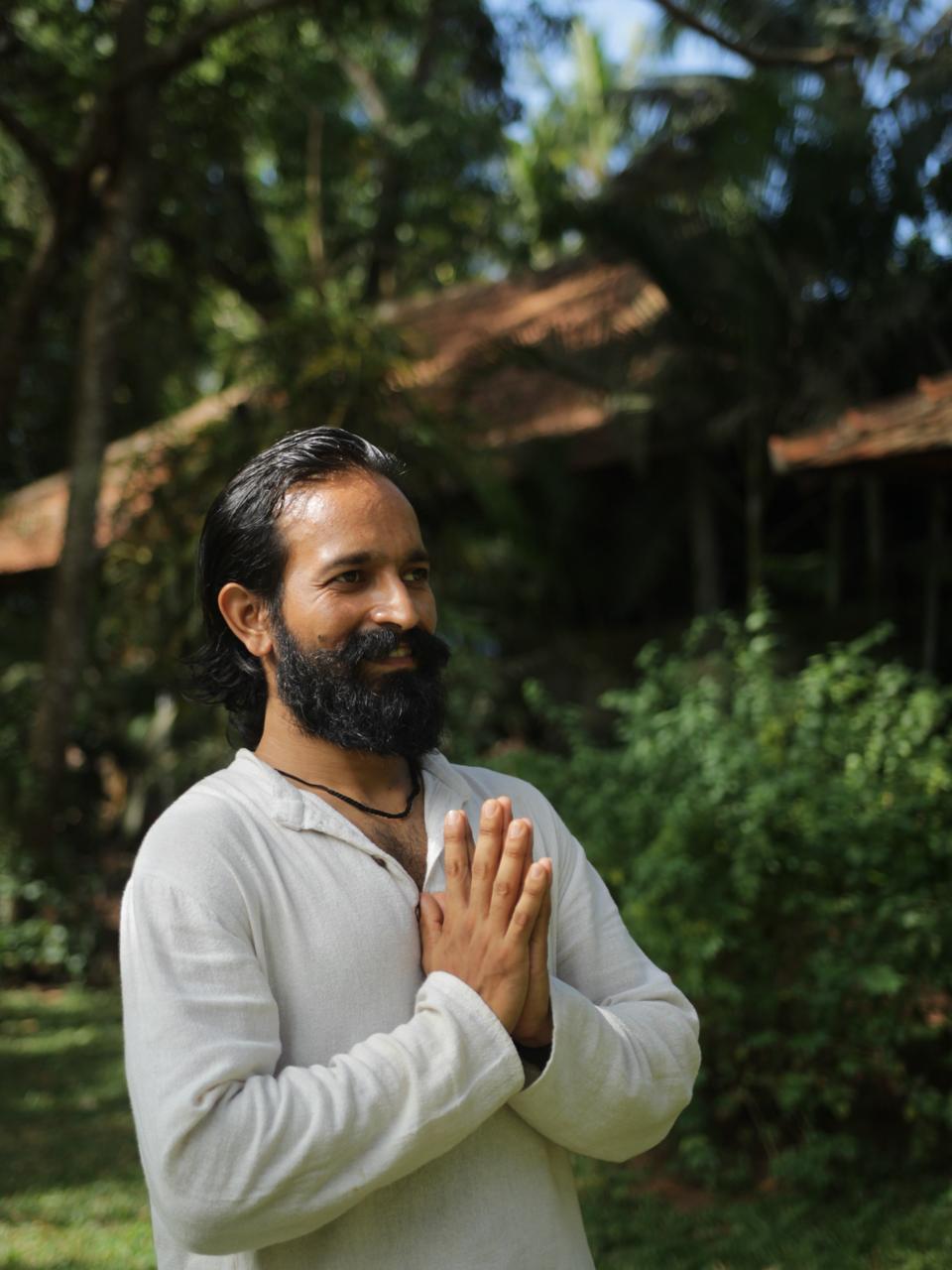
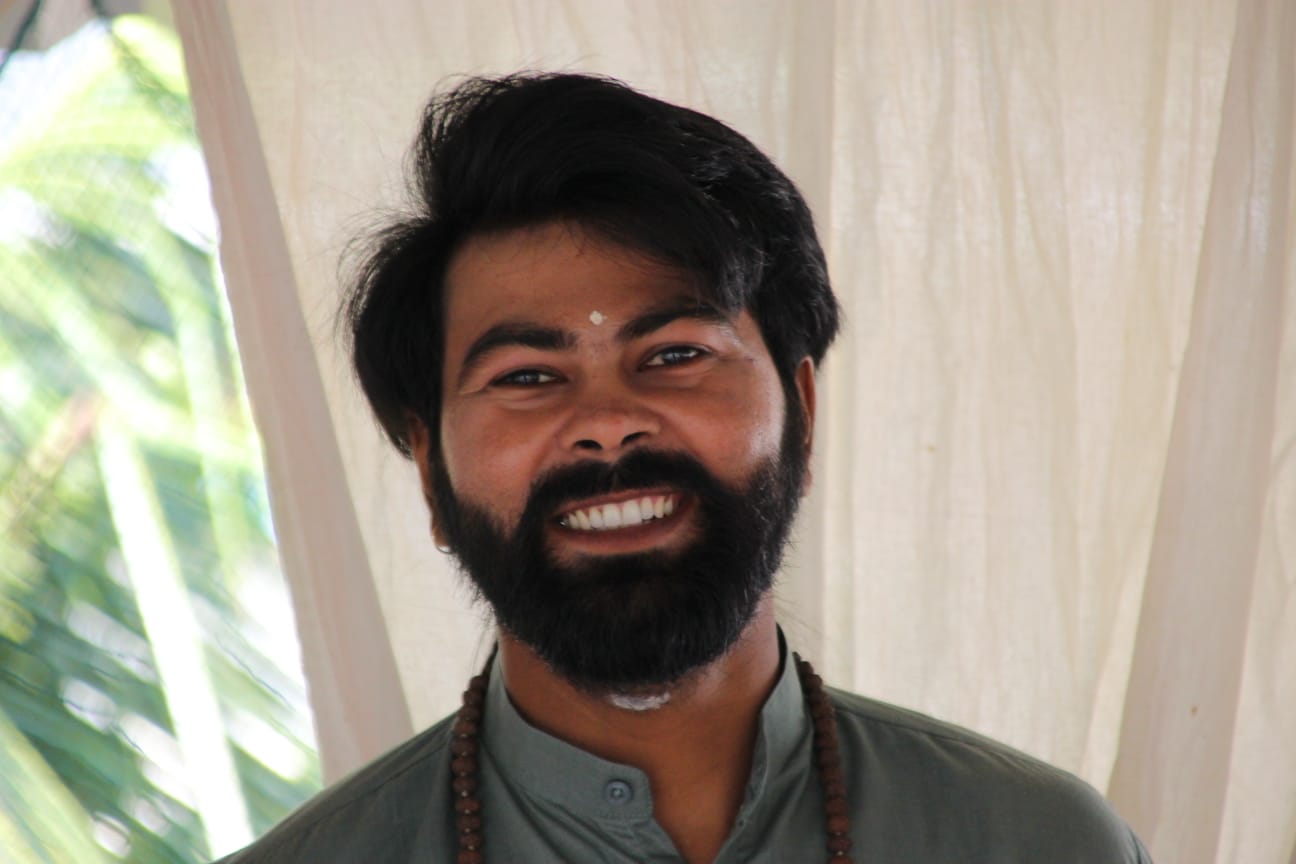
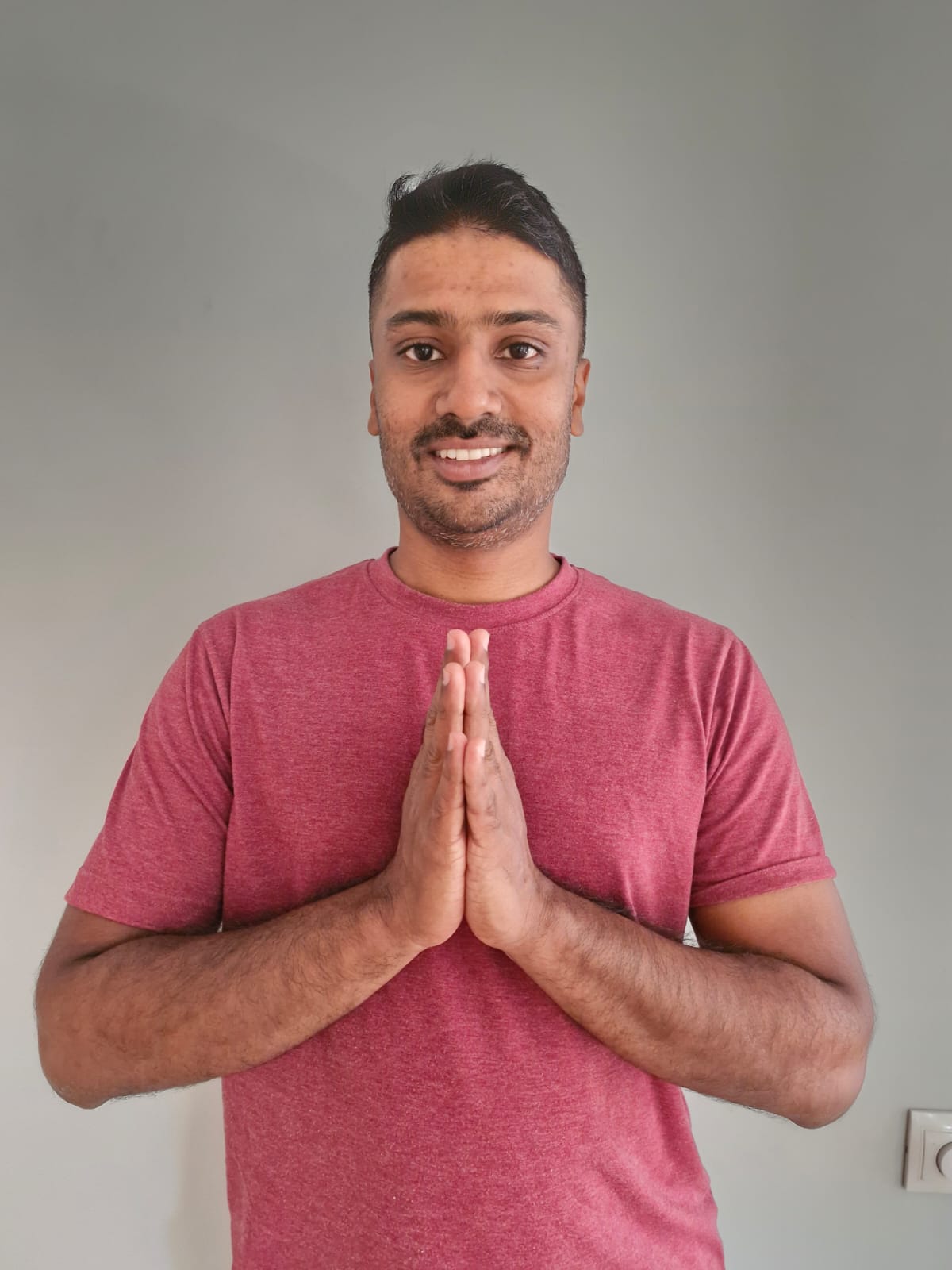
The heart of our Goa school is our faculty. We take immense pride in our yoga teachers who practice the very principles they teach on a daily basis. Each teacher is a lifelong follower of the yogic philosophy. They bring a wealth of knowledge and kindness to the mat. In addition to teaching you the Yoga Alliance curriculum, they also share their years of experience and personal realization on the mat. You get complete support by a team that understands the challenges of transformation in and out. They are there to provide a steady hand and an open heart throughout your stay.

Our mentors are all E-RYT certified. Their roots go deep into traditional Indian lineages. They will help you find your voice as a teacher and even guide you through complex philosophical texts. Their clarity and sincerity is what makes our yoga faculty the best in Goa.

Everything You Need to Know about the Yoga Teacher Training Course Duration and Fees in Goa

Course Duration & Fee Structure of 500 Hour YTTC in Goa

∞∞

We want you to feel at home while you are here. So we offer different rooms for stay. You can choose shared twin rooms or a private room depending on what makes you feel most comfortable.

Course Duration
3 Oct – 26 Oct 2026
3 Nov – 30 Nov 2026
50 Days
3 Nov – 26 Nov 2026
3 Dec – 30 Dec 2026
50 Days
3 Dec – 26 Dec 2026
3 Jan – 30 Jan 2027
50 Days
3 Jan – 26 Jan 2027
1 Feb – 28 Feb 2027
50 Days
4.9 Rating (600+ Reviews)
500 Hour Yoga Teacher Training

50 Days Program Yoga Alliance Certified RYT 500 Eligible
Private Room $3,810$3,210
Enroll Now
Prepare for Your Yogic Stay at our Shala in Goa

What is included / Not Included / What to Bring

∞∞
INCLUDED
  • Private or twin shared rooms
  • Daily vegetarian and vegan nourishment
  • Certified Yoga Teacher credentials upon completion
  • Comprehensive course manual and educational charts
  • Traditional cleansing kit including Jal Neti essentials
  • Core theoretical knowledge and physical skill training
  • A dedicated session on Ayurvedic healing
  • Full access to studio props and mats
  • Continuous 24-hour reception and site security
  • Reliable wifi and constant water supply
  • Soothing herbal tea and hot showers
  • Pen, notebook, and essential drinking water
NOT INCLUDED
  • International or domestic flight tickets
  • Transit costs during the program duration
  • Airport transfers and taxi pickups
  • Accommodation outside the official course dates
  • Visa fees and travel documentation
  • Personal laundry, calls, or additional food
  • Spa treatments and luxury amenities
  • Unscheduled tours or optional excursions
What to Bring
  • Personal yoga mat if preferred
  • Daily toiletries and hygiene supplies
  • Sturdy shoes and a reusable bottle
  • Flexible clothing for active practice
  • One white ensemble for the fire ritual
  • Necessary medications and travel first aid
Requirements for Joining our Advanced Course and Becoming a Yoga Alliance Certified Teacher

Eligibility Criteria for Joining the 500 Hour Yoga Teacher Training Course

∞∞
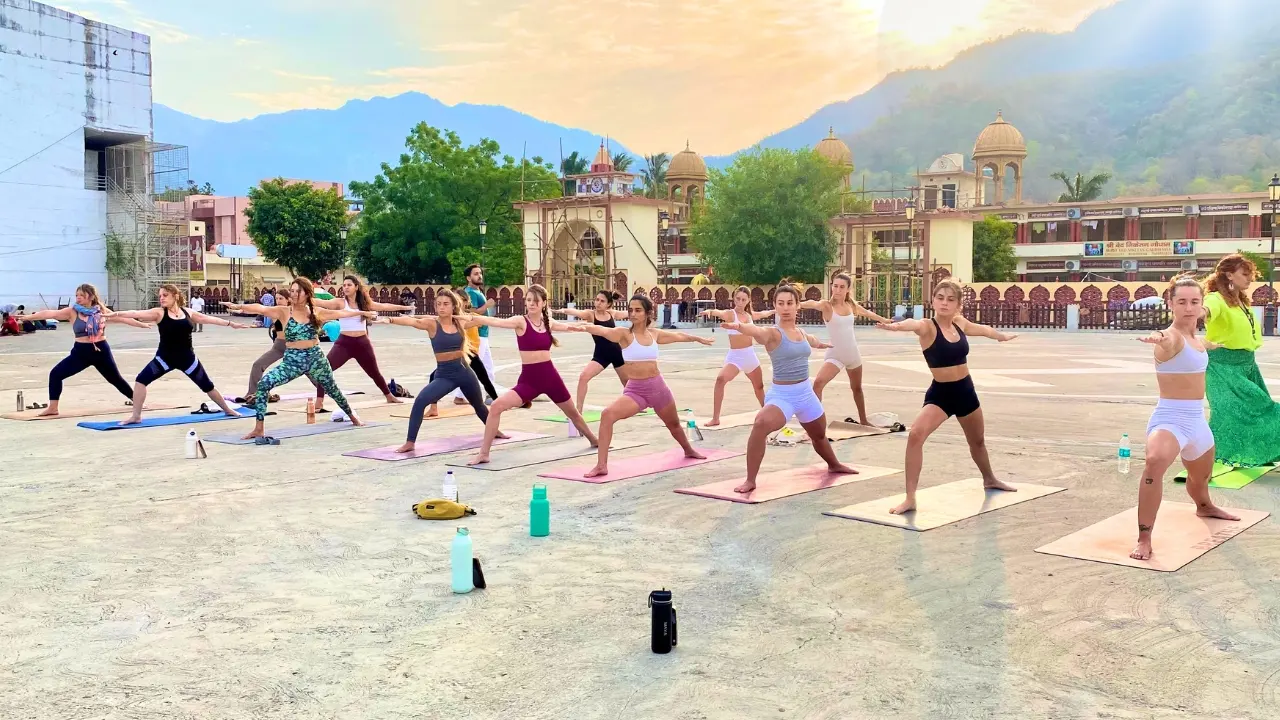
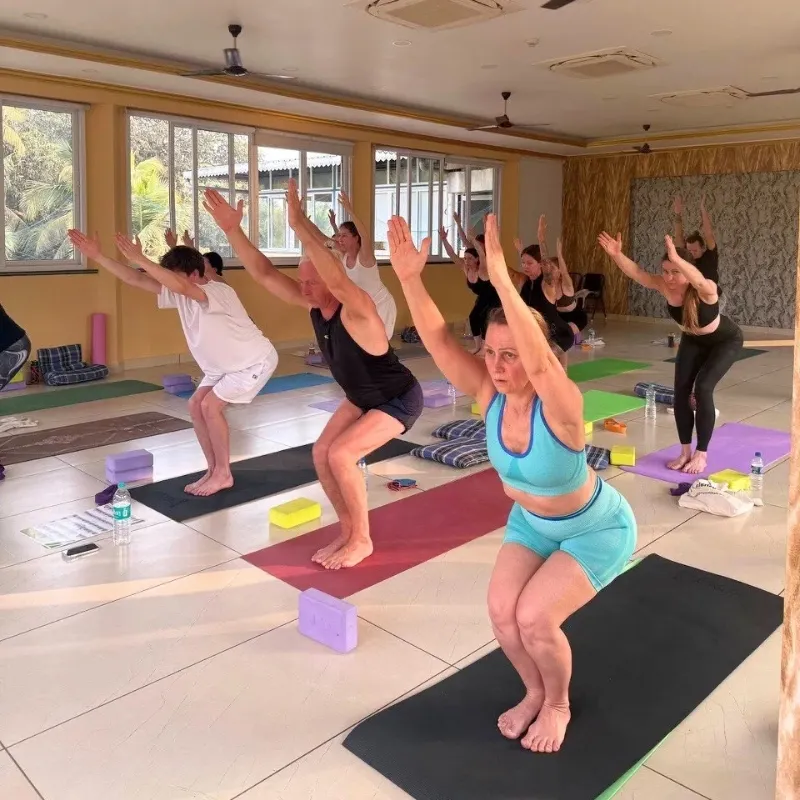
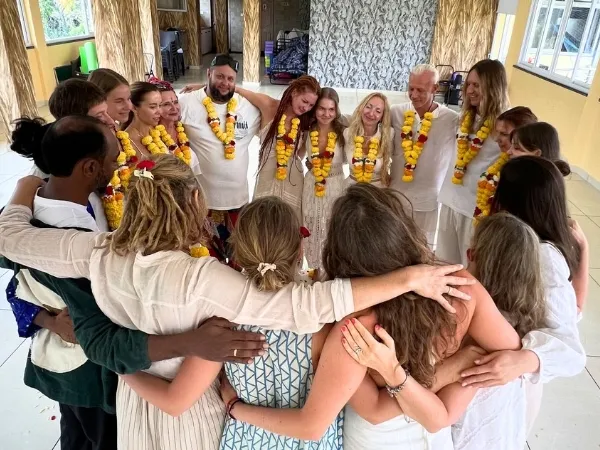
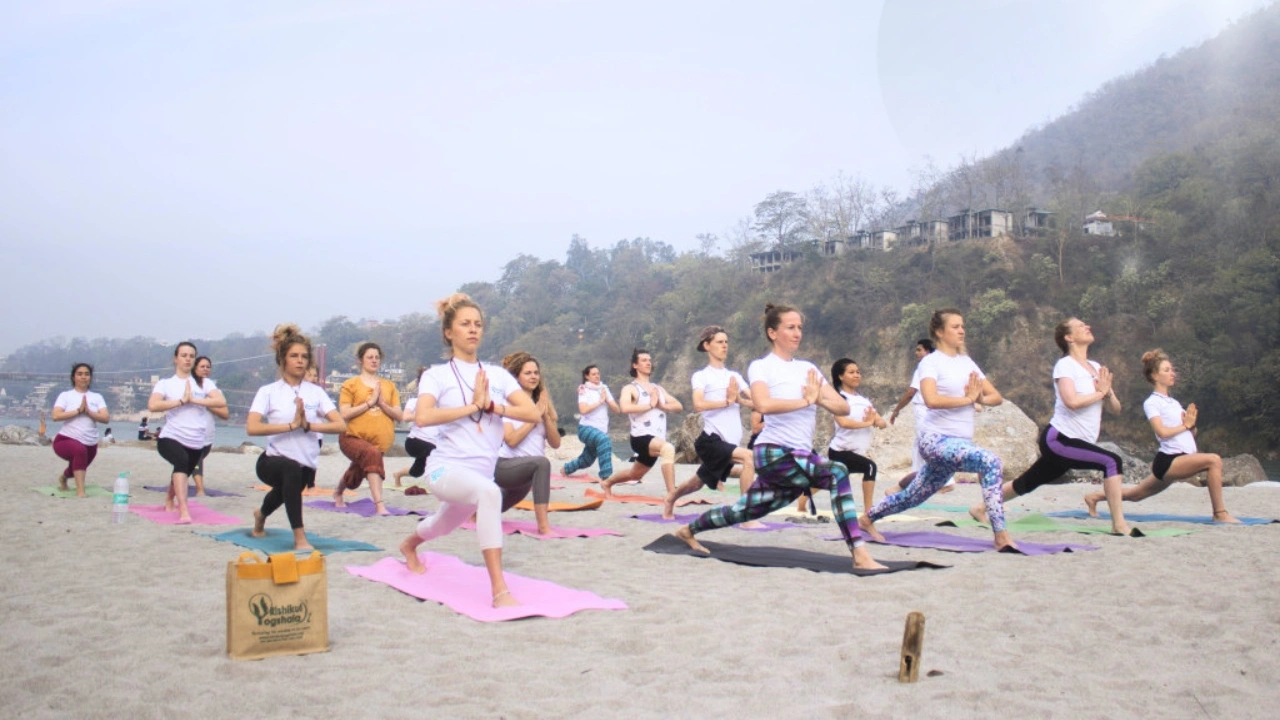
Group Photo of 500 Hour YTTC Students at Rishikul Yogshala Goa

The 500-hour yoga teacher training is perfect for anyone who feels ready to take their practice to a much deeper level. It is a journey of growth and self-discovery designed for those who want to build a meaningful career as a yoga teacher.

Age

You need to be at least 18 years old to join the course.

Language

The training is conducted in English. You will need to understand the language to follow the lessons and get the most out of the program.

Experience

While you do not necessarily need years of experience, having some background in yoga will definitely be helpful. More importantly, you must be truly dedicated to the process and not just finishing it for a diploma.

Nurturing the Temple of the Body with Peaceful Rest and Vital Nutrition at our Yogic Centre

Yogic Accommodation and Yogic Food During the 500 Hour Yoga TTC in Goa

∞∞

Yogic Accommodation

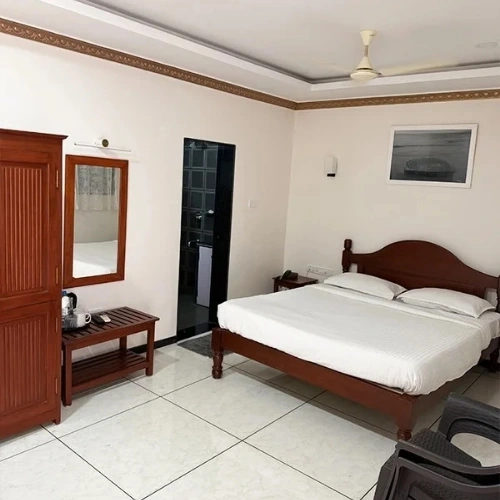
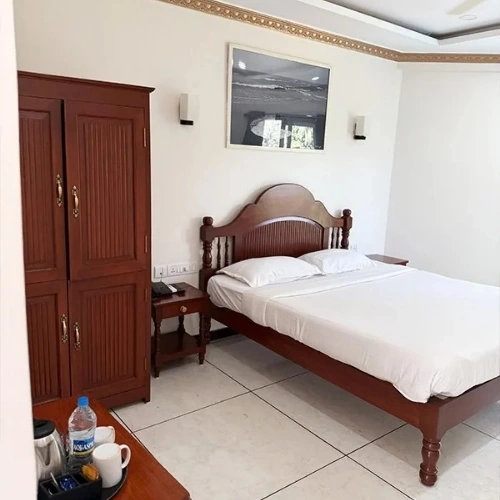
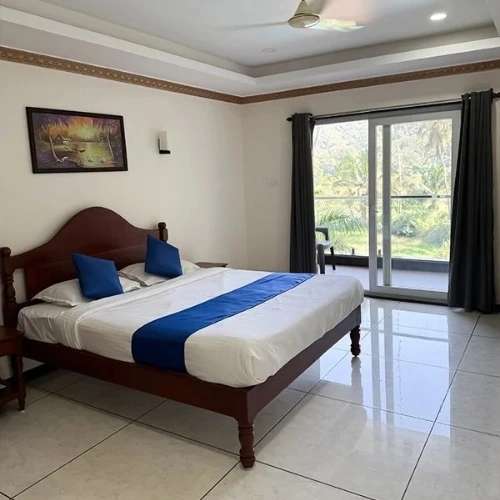
In Goa, your room is more than just a place to sleep. It is a quiet place where you can process the day’s lessons. Our residential wings are designed to be bright, airy, and grounded in simplicity. You could choose a private sanctuary or even a shared space with a likeminded student. You will find a peaceful atmosphere that no matter what you choose that encourages rest and rejuvenation.

  • Comfortable Private or double beds with high-quality linens
  • Private bathrooms with 24/7 hot water access
  • A quiet desk space for self-study and reflection
  • Consistent Wi-Fi to keep you connected to loved ones
  • Ample natural light and fans for coastal comfort
∞∞

Yogic Nourishment

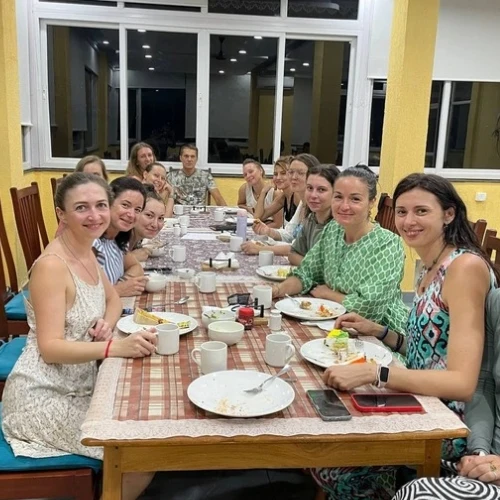
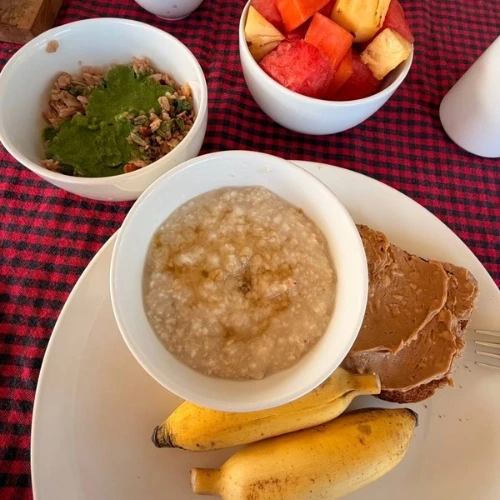
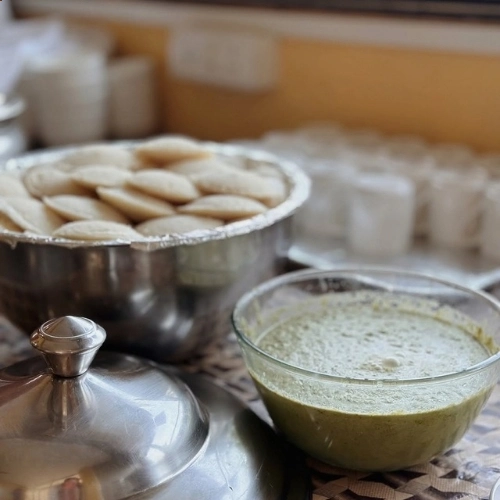
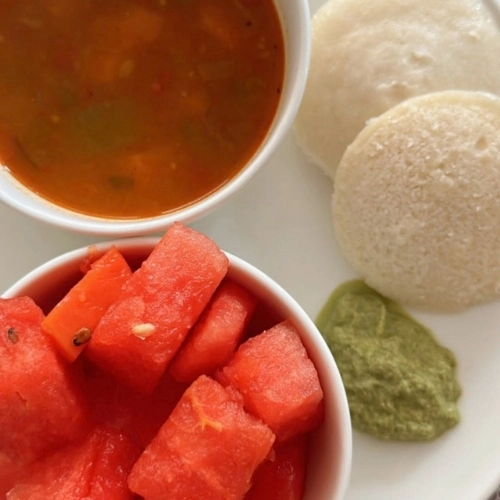
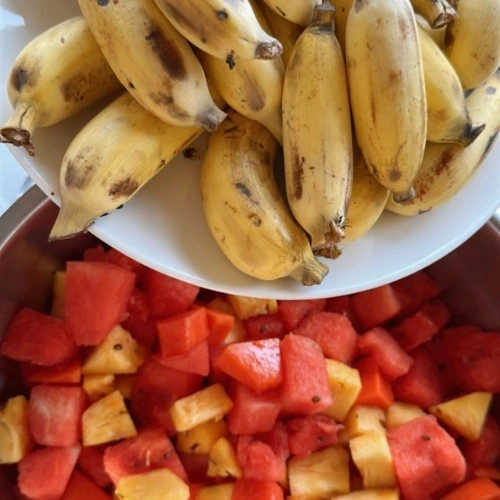
We believe that food is a form of medicine. Our kitchen in Goa serves meals prepared according to Sattvic principles. This means they are fresh, organic, and full of life-force. This diet is designed to keep your body light and your mind sharp. It supports the intensive physical and mental work of the training.

  • Locally sourced ingredients prepared with love and mindfulness
  • A hearty breakfast to fuel your morning asanas
  • Nutrient-dense lunches and dinners to sustain your energy
  • Healing herbal teas and cooling infusions
  • Recipes that are easy to digest and free from heavy stimulants

Master the Ancient Science of Yoga from the Best Teachers at Goa’s most Classical Yoga School

Find your rhythm, find your voice. Join our 500-hour RYT in Goa and graduate as a globally recognized yoga teacher!

Why Students from Around the World Choose our Yoga Teacher Training in Goa

Why Choose Us For 500 Hours Yoga Teacher Training in Goa?

∞∞

Here is why students from around the world trust Rishikul Yogshala for advanced yoga teacher training in Goa.

  • Internationally Recognised Certification: Rishikul Yogshala is proud to be recognised by Yoga Alliance USA. This means our curriculum meets high global standards for yoga education. Once you finish your course here, you can register as a Registered Yoga Teacher (RYT) and carry the credentials to teach yoga anywhere in the world.
  • Experienced Yogis: When you study with us in Goa, you are learning from a team of seasoned yogis who live and breathe the practice. They bring years of personal wisdom and professional experience to every class. Their goal is to act as mentors and offer the guidance you need to truly deepen your journey.
  • Affordable 500 Hour YTTC: We believe that authentic yoga education should be accessible to everyone. Our advanced 500-hour training is priced to be affordable without ever compromising on the quality of the teaching. We want to make sure that your finances do not become a barrier to your growth.
  • Location of the School in Goa: Our school is tucked away in a peaceful corner of Goa, far from the usual tourist crowds and noise. It feels like a tropical paradise where you can actually hear yourself think. The calm environment helps you relax and ground yourself the moment you arrive. This makes it much easier to focus on your practice.
  • We Focus on Overall Growth: Our teachers are experts at creating a space where everyone feels safe and included. We do not just treat you like another face in the crowd. Each student gets individual attention to help them improve. We also encourage open discussions and shared learning. This ensures that you grow as a person, not just as a student.

YTTC Certification – 500 Hour Yoga TTC Certification in Goa

A Lifelong Yogic Qualification to Share What You Have Learned on the Coast of Goa

Upon concluding your 500-hour YTTC in Arambol, Goa you will receive a professional credential that marks your transition from a student to a globally recognized teacher.

Yoga Alliance Certification for 500 Hour Yoga TTC in Goa
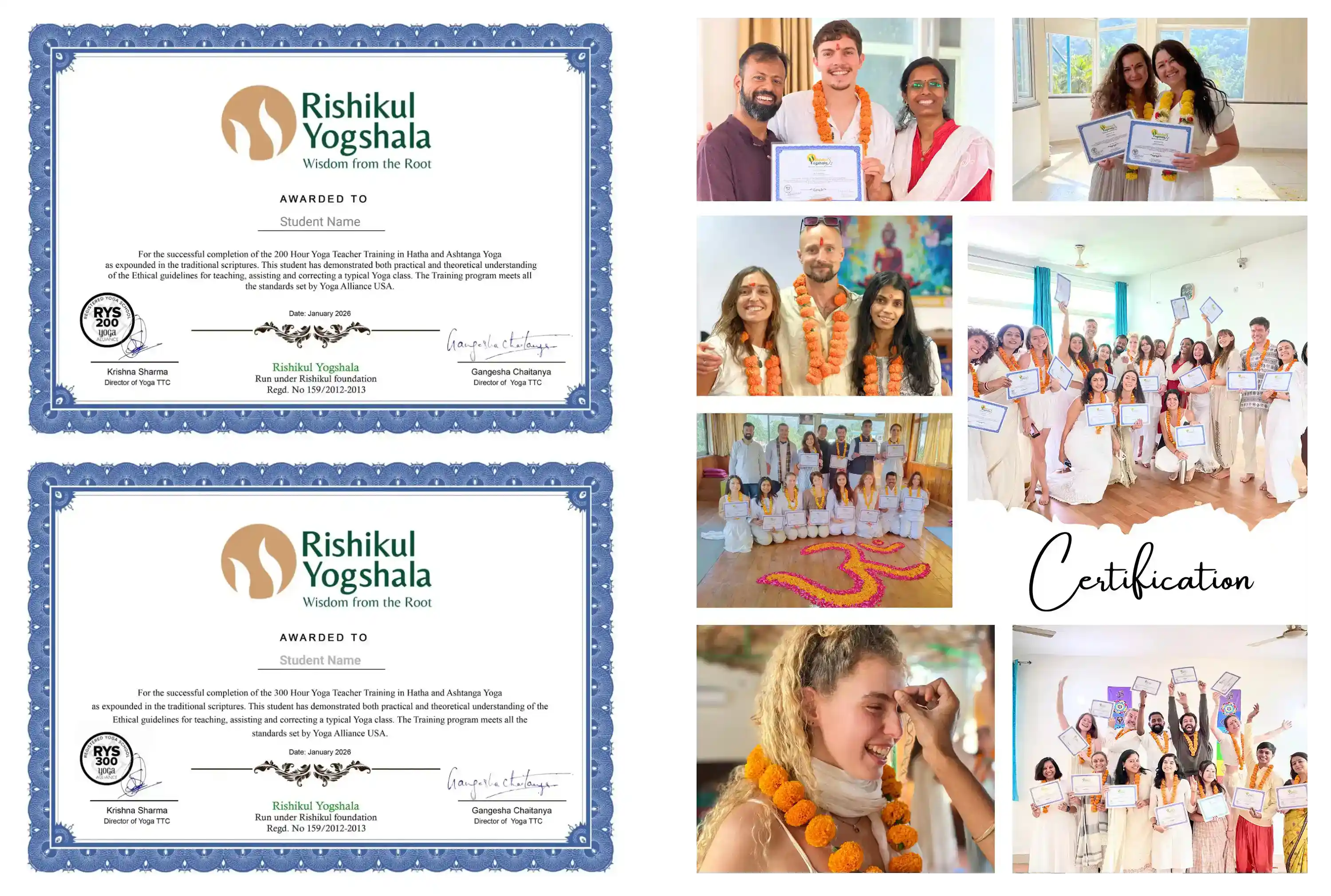
Students of Rishikul Yogshala Holding their 500 Hour Yoga Teacher Training Certificates
Opens Doors to Teaching Yoga Worldwide

Yoga Alliance Certification

∞∞

Completing a 500-hour training is a huge milestone in any yogi’s life. This certification carries a lot of weight. It allows you to register as an RYT-500 with the Yoga Alliance. They officially recognize you as a certified teacher. This credential is your passport to teaching yoga professionally. You can use it irrespective of whether you want to stay in India or find opportunities across the globe.

Frequently Asked Questions to Help you Prepare for our 500 Hour Yoga Training in Goa

FAQs - 500 Hour Yoga Teacher Training In Goa

∞∞
QWhat is the difference between a 300 hour YTTC and a 500 hour YTT?

Think of the 500-hour training as the complete journey from start to finish. It is a comprehensive program that covers everything. You will learn everything from the basics to the advanced practices and philosophy. It combines the 200-hour and 300-hour courses together.

QCan I enrol in a 500 hour YTTC without completing a 200 hour YTTC first?

Yes, you definitely can. This 500-hour program actually combines the 200-hour and 300-hour curriculums into one long session. It is designed to take you from the ground up. Having a regular personal practice will help you keep up. But you do not need a previous certificate to join this specific course.

QCan this course help me teach internationally or open my own yoga school?

It certainly can. Once you finish the 500-hour course in India, you receive a certification that is recognised all over the world. This gives you the professional standing to teach in any country or even start your own yoga studio with confidence.

QDo you serve non-vegetarian food during my stay?

No, we do not. At our school in Goa, we provide healthy vegetarian meals. This is because we follow the yogic principle of Ahimsa, which is about practicing non-violence. A vegetarian diet also helps keep your body feeling light and clean during such an intensive practice.

QDo I need to have prior teaching experience?

Not at all. While it is great if you have taught before, it is not a requirement. We have built this course to support everyone. Whether you are a total beginner to teaching or an experienced instructor looking to sharpen your skills, we help you find your voice here.

QWhat should I bring with me to the training?

You should bring comfortable yoga clothes, a reusable water bottle, and any personal items you might need. We provide yoga mats and props at the school. But many students prefer to bring their own mat for personal comfort.

QWill I have any free time to see Goa?

Yes, we make sure you have some time to yourself. While the daily schedule is quite full and disciplined, we usually leave Sundays free. This gives you a chance to rest, visit the nearby beaches, or explore the local culture and markets around the school.

QDo I need to be able to do advanced poses before I arrive?

No, you do not need to be a master of every pose. Yoga is a personal journey. Moreover, everyone’s body is different. We are here to teach you the techniques to get there safely. As long as you have a willing heart and a bit of physical stamina, you will do just fine.

QWhat kind of support can I expect from the teachers?

Our teachers are very approachable and dedicated to your growth. Because we keep our classes focused, you will get plenty of individual attention. If you are struggling with a specific pose or a philosophical concept, you can always talk to your mentors for extra guidance.

QIs there an age limit for the 500 hour course?

Aside from needing to be at least 18 years old, there is no upper age limit. We welcome students of all ages. As long as you are in good health and have the desire to learn, you are more than welcome in our community.

QWhat happens if I fail the final evaluation?

Do not worry too much about the word "test." The final evaluation is more of a way for us to see how much you have grown and to ensure you can teach safely. If you are having trouble, our teachers will work with you to help you improve until you feel ready and confident.

Your Travel Guide to our Peaceful Coastal Shala in Goa

How To Reach Us

∞∞
Flight Icon By Airway

Goa is served by two major airports: the new Manohar International Airport (Mopa - GOX) in the north and Dabolim Airport (GOI) in the south. Both handle domestic and international flights. From either airport, we can arrange a private taxi for you. You can use the prepaid taxi counters available at the terminals.

Train Icon By Railway

If you are traveling by train, the most convenient stations are Madgaon (MAO) for South Goa or Thivim (THVM) for North Goa. The Indian railway network is vast and offers a scenic way to see the country. Taxis and local transport are easily found at the station exits.

Car Icon By Road/Cabs

Goa is well-connected to neighboring states via National Highways. You can find luxury sleeper buses from cities like Mumbai, Bangalore, or Pune. Once you arrive in Goa, local taxis or rickshaws can bring you directly to our shala.

What Our Students Say About Us

Reviews and Testimonials

∞∞
Insights from the Mat and Inspiration from Our Global Yoga Family

Our Mindful Blogs

∞∞
Whatsapp us for yoga teacher training