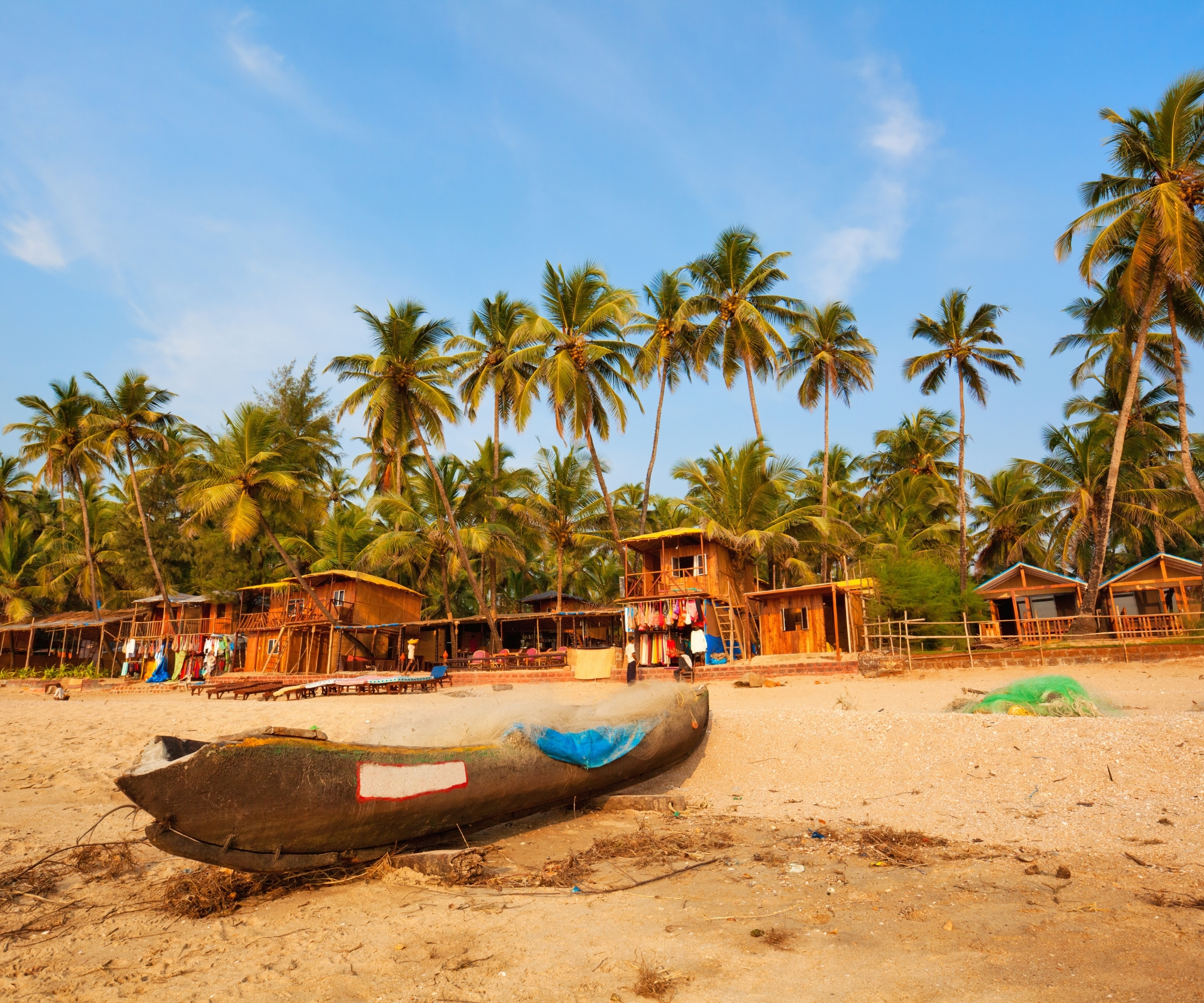
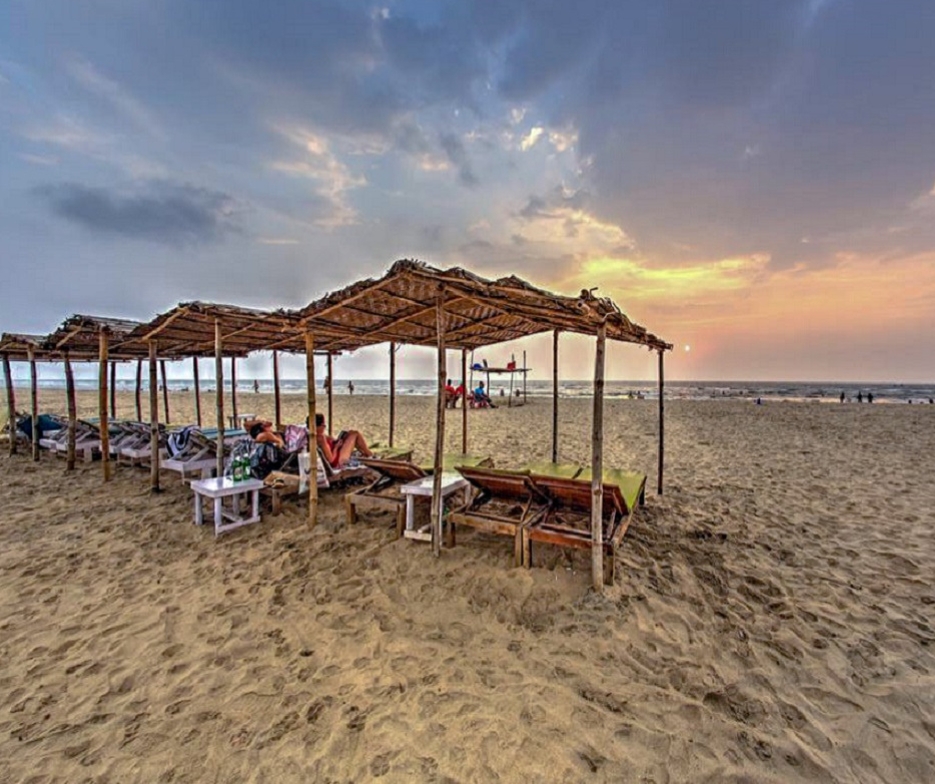
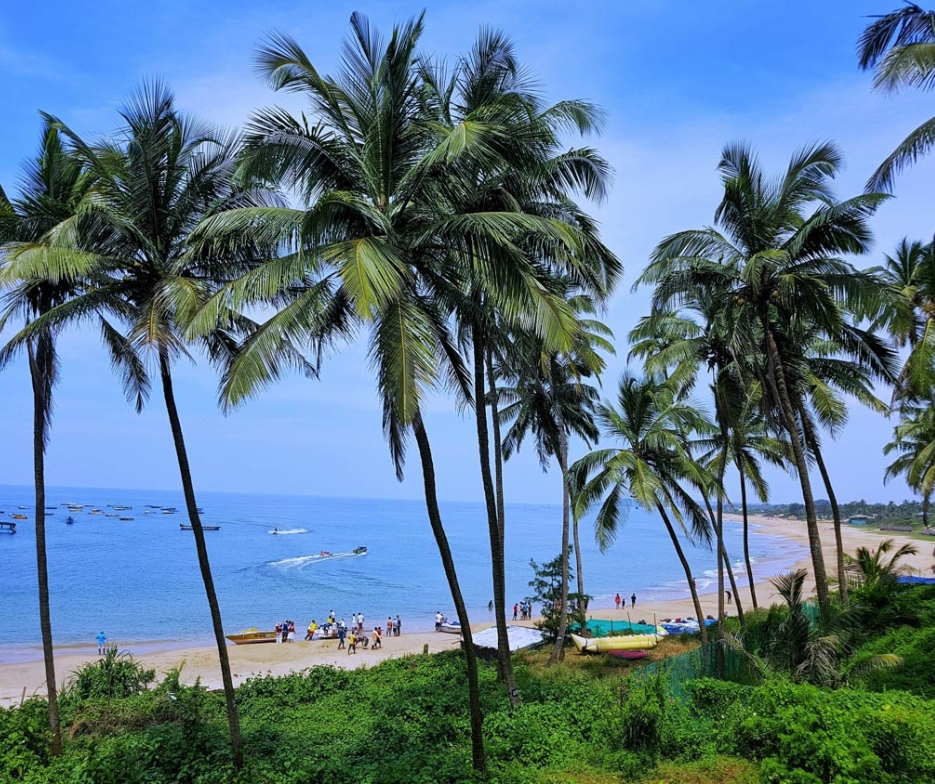
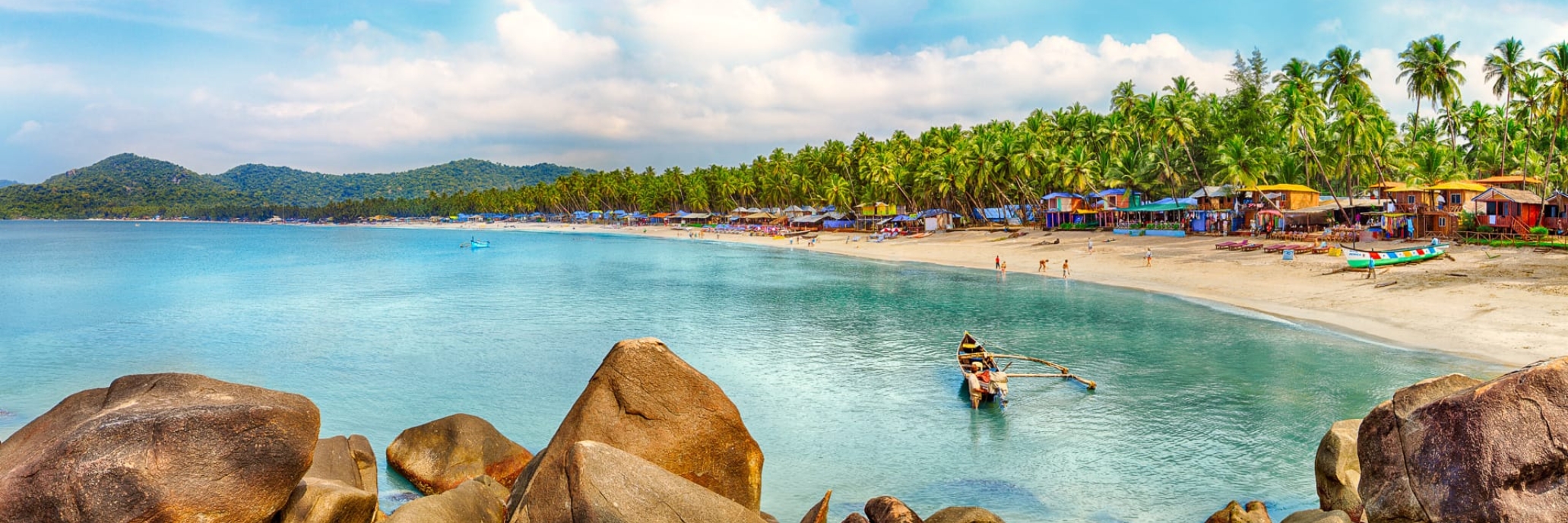
There is a specific kind of magic in Goa that you won't find anywhere else. It has more than just the postcard beaches. It is the way the salty air settles on your skin and the red earth feels warm under your feet. Here, life moves to the slow, steady rhythm of the Arabian Sea. Here you could wander for hours through the sun-flecked palm groves and watch the horizon turn gold at dusk. Goa has a way of making you forget the rush of the outside world.
Rishikul Yogshala is our quiet corner in this coastal paradise. We have created a space where the noise of modern life fades into the background, replaced by the sound of the wind. It is a place to unroll your mat, breathe deeply, and remember who you are when no one is watching.
When you travel to Goa for a Yoga Teacher Training Course with Rishikul Yogshala, you open yourself to self-discovery and wellness against a backdrop of golden beaches, coconut groves, and the easy rhythm of the Arabian Sea. North Goa offers quiet shores, historic churches, and a creative spirit that pairs perfectly with yoga.
As you deepen your practice near Arambol and the northern coast, we are glad to share some of the best places to visit—each one a small chapter in the story of Goa's beauty.
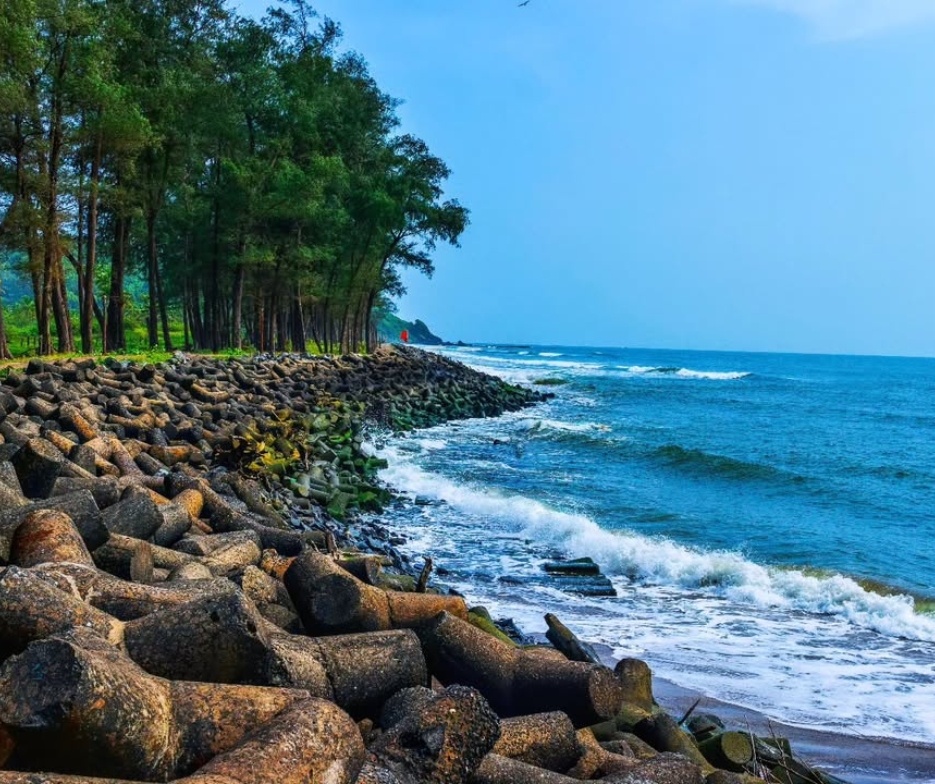
Querim, or Keri Beach, is the northernmost gem of Goa. It is surrounded by vast, pristine spread of sands and the rustle of casuarina trees. This is a perfect escape for students seeking solitude. It is close to Ajoba Temple and offers a grounded space to meditate away from the usual tourist bustle.
Arambol is the heartbeat of Goa's creative and spiritual soul. It is famous for its bohemian spirit and sunset drum circles. It is a place where you will find like-minded seekers. The sweeping coastline is perfect for evening strolls.
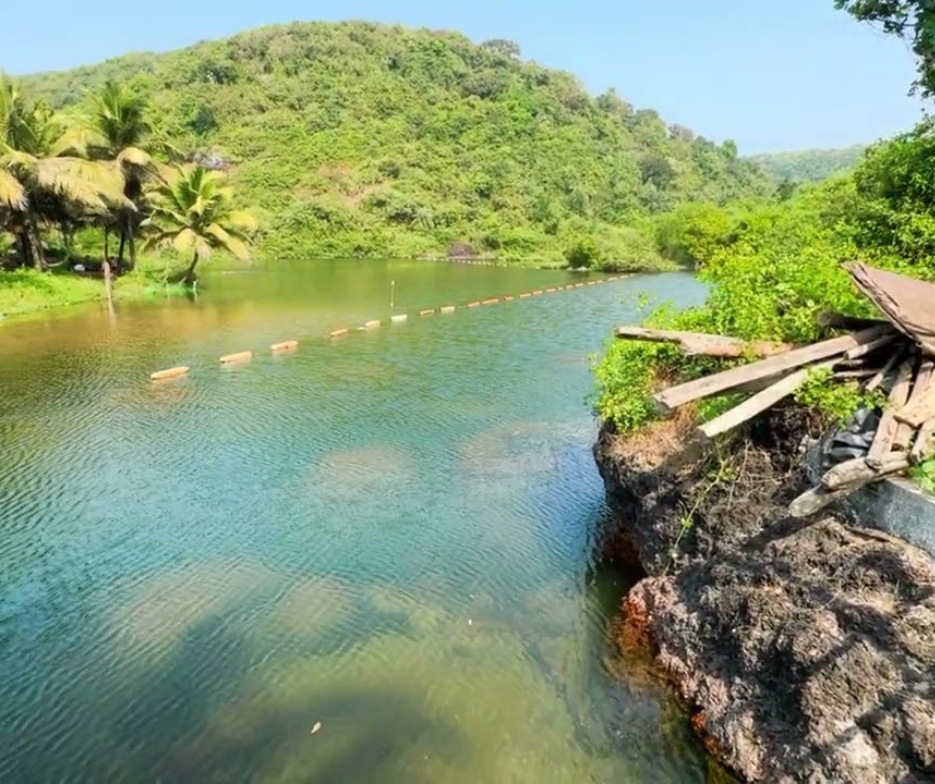
Tucked away beyond the Arambol cliffs, Paliem Sweet Water Lake is a hidden sanctuary. Surrounded by lush hills, this freshwater oasis offers a cool contrast to the salty sea. Many yogis visit for the healing yellow clay found nearby. It is perfect for a natural detox. It is a quiet, mystical spot to reconnect with the earth's raw elements.
For a touch of history, St. Cajetan's Church is a masterpiece of architectural grace. Modeled after St. Peter's Basilica, its white facade and serene interiors offer a unique kind of spiritual ambiance. Walking through its grand arches, you will feel the weight of centuries of devotion. It provides a beautiful space for quiet reflection.
Mandrem is known for its wide, clean sands and peaceful tide pools. It is arguably the most tranquil beach in North Goa. It is an ideal spot for a morning meditation or a slow sunset walk. It allows the rhythm of the waves to deepen the inner peace you are currently cultivating.
It is a Wednesday tradition born in the hippie era. This market is a vibrant feast for the senses. It is the best place to find hand-crafted treasures, like singing bowls and healing crystals. Wandering through the stalls offers a glimpse into the heart of Goa. It is the perfect spot for finding souvenirs.
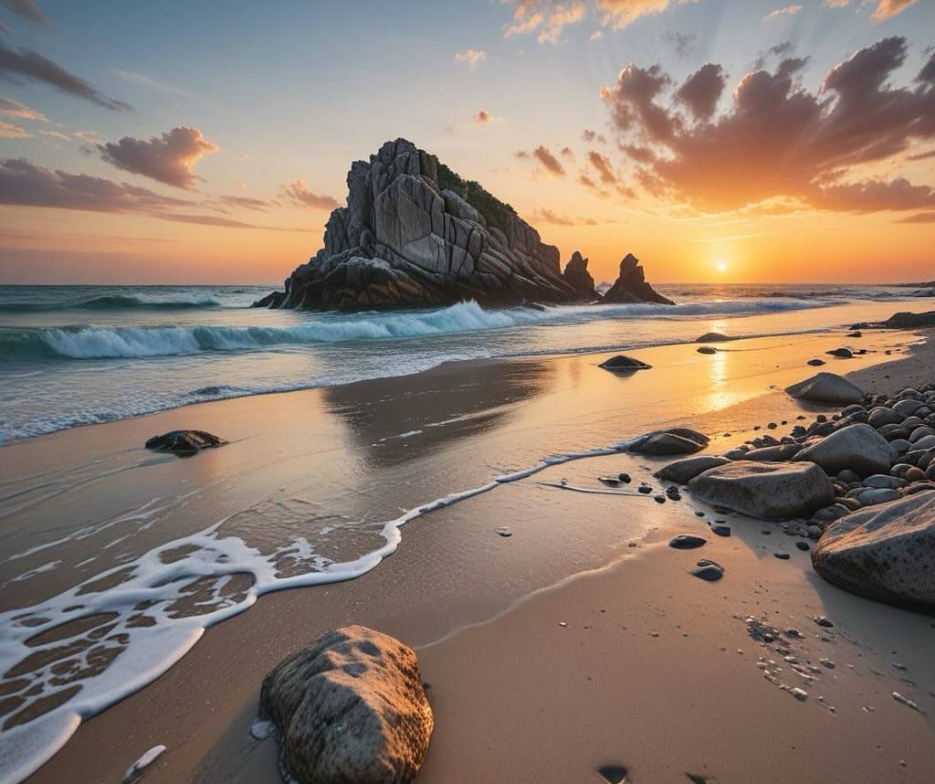
Famous for its striking rock formations and golden sands, Anjuna carries an energy that is both electric and ancient. It is a stunning spot to watch the sky turn orange at sunset after your classes. Whether sitting on the cliffs or walking the shore, the beauty here cannot be unnoticed.
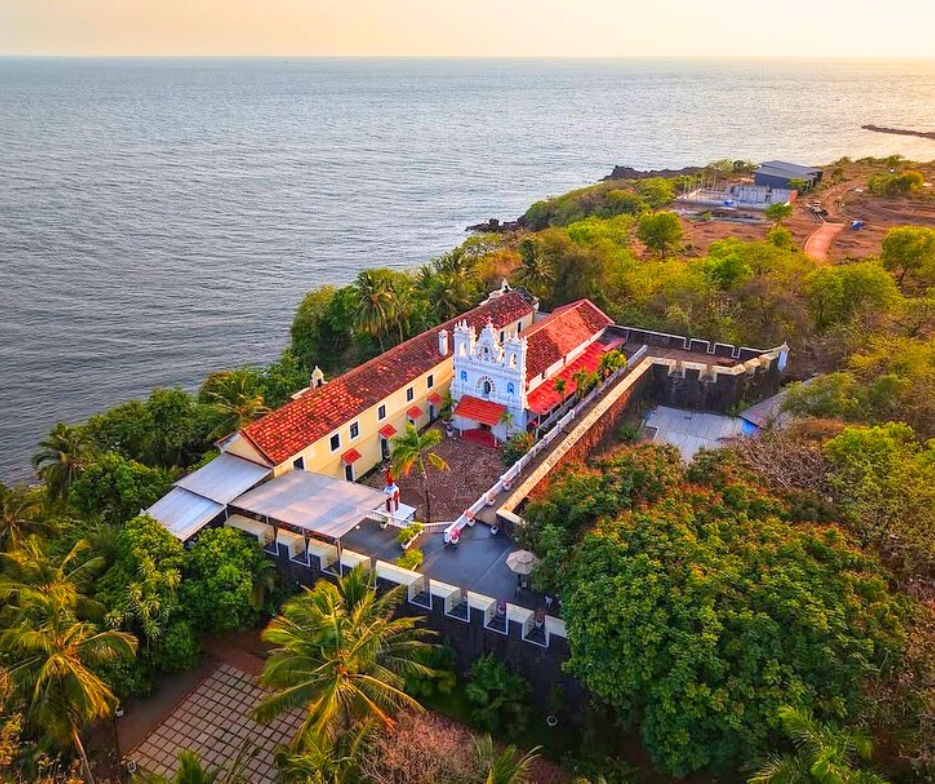
Perched on a cliff overlooking the mouth of the river, this old fortress feels like a sentinel at the edge of the world. You have to take a small ferry to reach it, which adds to the adventure. The view of the vast blue meeting the river is a powerful reminder of nature's scale.
Getting ready to go to India for yoga training is a big deal. It’s an exciting time to study how to live a healthier, better life on this land. This land offers a real chance to slow down and heal. Many people also travel here for things like Ayurveda and spa massages, which is why thousands of people visit every year.
Because so many people now visit for wellness, the government has made things easier. You can now apply for an e-visa if you are coming for a short yoga course. It is no longer just for tourists on holiday, making the process much simpler for students from across the globe.
If you want to come here for yoga, the “e-Visa” is usually the best choice. This visa lasts for a specific amount of time. A good tip is to wait until your visa and passport are fully approved before you spend money on your plane tickets. Also, remember that your visa starts on the day when you land in India. Most yoga students get a 2-month e-tourist visa or even apply for a one-year e-tourist visa. This is enough time for almost any course. This e-visa system is open to people from 166 different countries.
Almost everyone coming to India needs a visa. The only people who do not are those from Nepal and Bhutan. Before you start your application, it is a smart move to talk to your yoga school. They can tell you exactly which visa type you should apply for so you don’t make a mistake.
If you are coming to Goa for a short stay, 6 months or less, you will probably need an e-tourist visa. This visa is strictly for travel and learning. You are not allowed to work for a company while you are here. There are two main types of tourist visas:
The price of an e-visa changes depending on which country you are from. There is also a small bank fee (usually 2.5%) added on top of the visa cost. You must pay this at least 4 days before you are supposed to fly. If there is a delay with your payment, they will not process your application.
There are 28 airports where you can enter India with an e-visa. These are: Ahmedabad, Amritsar, Bagdogra, Bengaluru, Bhubaneswar, Calicut, Chennai, Chandigarh, Cochin, Coimbatore, Delhi, Gaya, Goa, Guwahati, Hyderabad, Jaipur, Kolkata, Lucknow, Madurai, Mangalore, Mumbai, Nagpur, Portblair, Pune, Tiruchirapalli, Trivandrum, Varanasi & Vishakhapatnam.
You can also use 5 seaports: Cochin, Goa, Mangalore, Mumbai, and Chennai.
If you are coming to Goa for your yoga training, there are now two international airports you can fly into:
Dabolim is the older airport and sits right in the middle of the state. It handles both domestic and international flights. Since it is centrally located, it is the best place to land for reaching our yoga school or the central beach areas. It is a busy place but very used to welcoming international travellers. Because it is also a military base, you might see some navy planes on the runway, which is something you don’t see every day.
This is the brand-new airport in North Goa. It was built to handle more people and make travelling easier. It is very modern and has plenty of space. You can take a taxi ride to the school. It has great facilities and is quickly becoming the main way for international visitors to reach the northern yoga hubs.
Even though it is not an airport, many students arrive in Goa by train from places like Mumbai or Delhi. Madgaon is the biggest station in the state. If you are travelling on a budget or want to see the Indian countryside, the train is a great choice. It is well-connected to the rest of India and is a very common way for people to reach South Goa. The station is always full of life and has plenty of taxis waiting outside to take you to your yoga school.
Thivim is the best train station for anyone heading to the north of Goa. It is much smaller than Madgaon. If you are taking a train from the north of India, getting off here will save you hours of travel time. It is a station that gets you right to the heart of the yoga community in the north.
The Indian embassy has a few rules you must follow when you apply. Here is what you will need:
The visa process might seem a little confusing at first. But once you know which one you need, it is pretty simple. Once that is done, you can stop worrying about paperwork and start looking forward to your time in the sun.
Flying across the world to reach Goa often means crossing multiple time zones. This can leave your body feeling out of sync. This heavy, foggy feeling is what we call jet lag. It happens because your internal biological clock is still tied to your home’s rhythm. When you land in the tropics, your senses struggle to match the bright Indian sun.
Jet lag is not just being tired. It can make you feel dehydrated, heavy, and mentally slow. For a yoga student, this can make it difficult to focus on your breath or stay present during those first few morning classes in the shala. It takes away the inspiration you need for your practice.
Most travellers find that for every hour of time difference, the body needs about a full day to adjust completely. If you are flying in from the Americas or Europe, you might need nearly a week to feel fully grounded. Giving yourself this grace period is essential for your recovery and energy levels.
The primary cause is the sheer speed of modern travel. Your brain expects darkness when the Goa sun is at its peak, creating a confusing clash for your nervous system and sleep-wake cycle.
Try these simple, human habits to help your body land as softly as possible on Goan soil.
While there is no magic cure, being mindful of your habits before you even board the plane can change everything. Preparation is the secret to arriving at your yoga retreat feeling clear and ready.
To beat jet lag, try to jump straight into the local schedule as soon as you arrive. Some travellers find that natural supplements like Melatonin help them drift off at the right hour. However, nothing works quite as well as getting some fresh air and morning sunlight.
Querim Beach, or Keri, is a wild and untouched stretch that captures the raw heart of North Goa. Located at the very tip of the Pernem district, this beach is where the crowds disappear and nature takes over. Over the years, its quiet charm has made it a favourite for those who want to see the Goa of forty years ago. Travellers come here to find a rare kind of peace that is getting harder to find elsewhere.
For anyone looking for a holiday that balances silence with a sense of adventure, Keri is the place to be. Looking out over the deep blue sea, you feel a massive sense of space. It neighbours the Terekhol River and is connected to the hills of Arambol by a winding coastal path. This isolation keeps the air fresh and the spirit of the beach completely honest.
The striking grove of Casuarina trees lining the shore is the signature of Querim. Unlike the palm-heavy south, these tall, thin pines create a hauntingly beautiful backdrop. This “Sea Pine” forest is a major draw for photographers and those looking for a shaded spot to sit and think.
Standing where the river meets the sea, the view will stay with you forever. The energy here is grounded and steady. The way the wind moves through the pines provides a cooling breeze that supports long walks and quiet morning stretches under the canopy.
Spending a day here is a lesson in slowing down. The sunsets at Keri are famously soft, painting the sky in deep pinks and oranges. The water is clear and the sand is white here. It is the kind of beach where the only thing on your schedule is the movement of the tide.
The nightlife here is nonexistent. And that is exactly why people love it. There are no loud clubs or neon lights. Instead, you have the ancient Ajoba Temple nearby, where local folklore and spirituality run deep. It is a place of reverence. It keeps the neighborhood quiet and respectful.
Walking through the village and toward the river ferry helps you see the real, rural side of Goa. The architecture of the old houses shows the artistic blend of the past. Be sure to take the ferry across to see the fort. It gives you a whole new perspective on the coastline.
The window between the heavy monsoon rains and the intense heat of summer, from late October to March, is the perfect time to visit. During these months, the weather is bright and clear. The temperatures sit comfortably around 28–32 degrees Celsius. It is the ideal season for outdoor practice and enjoying the dry, breezy afternoons by the water.

 +91-91315 09957
 info@rishikulyogshala.org