 +91 9131509957
  info@rishikulyogshala.org




Plank Pose (Kumbhakasana) – Top 7 Health Benefits
Plank Pose (Kumbhakasana) is a fundamental yoga posture that strengthens both the body and mind. Practicing it regularly helps improve stability, endurance, and overall health.
What is Plank Pose(Kumbhakasana)?
If you, as a yoga practitioner, wish to advance in your yogic journey, Plank Pose (Kumbhakasana) is for you. Kumbhakasana is both a strengthening and balancing yoga asana, fortifying the whole body, especially the core, for more advanced arm-balancing yoga poses. In addition to the benefits for the core and arms, the benefits of Plank Pose for internal and external body parts are diverse and miraculous. Begin the practice with us and become a recipient of the rewards.

Step-by-Step Instructions for Plank Pose
- Start in Adho Mukha Svanasana (Downward-Facing Dog): Begin in an upside-down “V” shape.
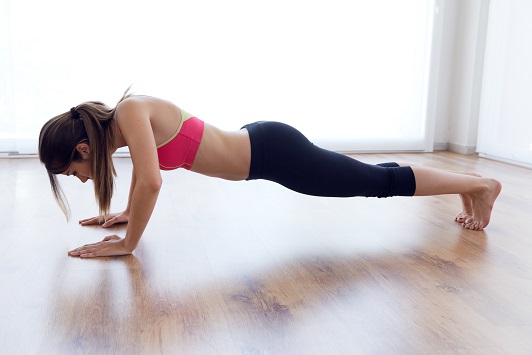
- Inhale and Bring Your Torso Forward: Make your torso parallel to the floor, keeping it drawn forward until the arms are perpendicular and the shoulders are over the wrists.
- Firm the Palms into the Floor: Spread your shoulder blades away from the spine and widen your collarbones away from the sternum.
- Keep Your Legs Straight Behind: Tuck your toes under and lengthen the tailbone toward the heels.
- Look Straight Down at the Floor: Do not strain the neck. Soften your gaze and throat.
Modifications and Props for Yoga Plank Pose
- Half-Plank Pose: If your arms and core are not strong enough to support your body, perform a half-plank pose with your knees in contact with the ground.
- Adho Mukha Svanasana Transition: You can practice Adho Mukha Svanasana against a wall and slowly transition into Plank Pose.
Deepening the Pose
- Lift One Leg at a Time: In the final pose, try lifting one leg at a time. Hold the leg up high for five breaths and then repeat with the other.
- Open the Space Between the Shoulder Blades: Ensure not to narrow your collarbones. This alignment instruction will prepare you for Bakasana and Sirsasana.
Tips for Practicing the Pose
Keep the body in one straight line from shoulders to heels. The distance between your hands and feet should remain the same in the Plank Pose as it was in a Downward-Facing Dog.

7 Health Benefits of Plank Pose (Kumbhakasana)
- Strength in Wrists and Hands: For activities like playing your favorite racket sport or opening a tight jar lid, you need strength and stamina in your wrists. The Plank posture works on the intrinsic muscles of the wrists and hands, providing them with strength and flexibility.
- Stronger Triceps: In Kumbhakasana, you push your arms into the ground and use them to hold your body weight. This movement results in the contraction of the triceps. Rotate your triceps inward as you push your arms into the floor and away from the shoulder. These movements help you build strong triceps, which in turn create strong biceps, counteracting flabby arms.
- Lengthens Neck Muscles: For most of our lives, we take our necks for granted. There are 18 muscles in the neck responsible for diverse functions. As you pull your neck to lengthen the spine, the spinal group muscles and the top of the trapezius are strengthened. With neck benefits from Yoga Plank Pose, you can hold yoga postures steadily and sleep better without neck discomfort.
- Conditioning Spinal Muscles: The spinal extensors are one of the muscle groups responsible for keeping the back upright and aligned. Engaging the core (including the back) during the performance of Plank Pose contracts and strengthens those extensors, helping alleviate low back pain.
- Toned Hips: In the Plank-Pose, you get a chance to work on the gluteus muscles that help in neutral hip extension, low back alignment, and pelvis position. Beginners can practice modified Plank-Pose for the lower body benefits.
- Spiritual Rewards: As a sun salutation posture and pose, which means breath retention, Kumbhakasana promotes inner strength and spiritual upliftment. When practiced on the forearms with hands in Anjali Mudra, it is believed the pose activates Ajna and Manipura Chakras. Ajna is the seat of clarity, wisdom, and self-realization, while Manipura is the power centre of the body.
- Preparation for Arm Balances: The Plank-Pose acts as a stepping stone to advanced arm-balancing poses by strengthening your arms, wrists, shoulders, and core. With Kumbhakasana, you can make your way toward the next series of arm-balancing yoga poses for health and well-being.
Conclusion
Plank Pose, is more than just a strength-building exercise—it’s a full-body workout that improves your core, arms, shoulders, and back while also enhancing focus and balance. Regular practice helps improve posture, builds endurance, and strengthens the mind-body connection, making everyday movements easier and reducing the risk of injury. It is a versatile pose that supports both physical and mental well-being, creating a strong foundation for more advanced yoga practices.
For those looking to deepen their yoga journey, incorporating Kumbhakasana into a structured program can be life-changing. The 200 Hour Yoga Teacher Training in India at Rishikul Yogshala is designed to guide students step by step through key asanas, alignment principles, and breathing techniques, including the benefits and proper practice of poses like Plank. This training helps students gain confidence, improve their personal practice, and develop the skills to teach others safely and effectively.
By making Plank-Pose a regular part of your practice and learning under experienced instructors at Rishikul Yogshala, you not only strengthen your body but also cultivate mental clarity and discipline. Whether your goal is personal growth or teaching, understanding and practicing Kumbhakasana lays the foundation for a healthier, more balanced yoga journey.
FAQ
Q1. What is Kumbhakasana and why is it important?
A: Kumbhakasana, or Plank-Pose, is a basic yoga posture that strengthens your core, arms, shoulders, and back. It is important because it improves posture, builds stability, and prepares your body for more advanced yoga poses.
Q2. How long should I hold the Plank-Pose?
A: Beginners can start by holding the pose for 15–30 seconds. With regular practice, you can gradually increase the duration to 1–2 minutes to build strength and endurance.
Q3. Can Kumbhakasana help with weight loss or fitness?
A: Yes, Plank-Pose engages multiple muscle groups, tones the body, and boosts metabolism. When practiced regularly along with a healthy lifestyle, it can support weight management and overall fitness.
Q4. Is Kumbhakasana suitable for beginners?
A: Absolutely! Beginners can practice Plank-Pose safely by focusing on proper alignment. You can also modify the pose by resting your knees on the mat until your strength improves.
Last Updated On: 16-2-2025

Lead Teacher in Yoga Philosophy, Pranayama, Meditation, Kundalini and Therapeutic Applications of Yoga
Born into a traditional spiritual home, Krishna spent over a decade climbing the corporate ladder at Capgemini and Morgan Stanley worldwide; before quitting them to explore the purpose of life. He set forth on a spiritual quest, Learning and Experiencing Yoga with Great Yogis and Spiritual Masters of the Modern World. Krishna's teachings comprises of the ancient practices of yoga through modern scientific reasoning. He specializes in Yoga Philosophy, Pranayama, Meditation, Kundalini and Therapeutic Applications of Yoga. Connect with your true nature and experience the mystical dimensions of yoga in conversation with Krishna.
View Instagram Profile View Linkedin Profile